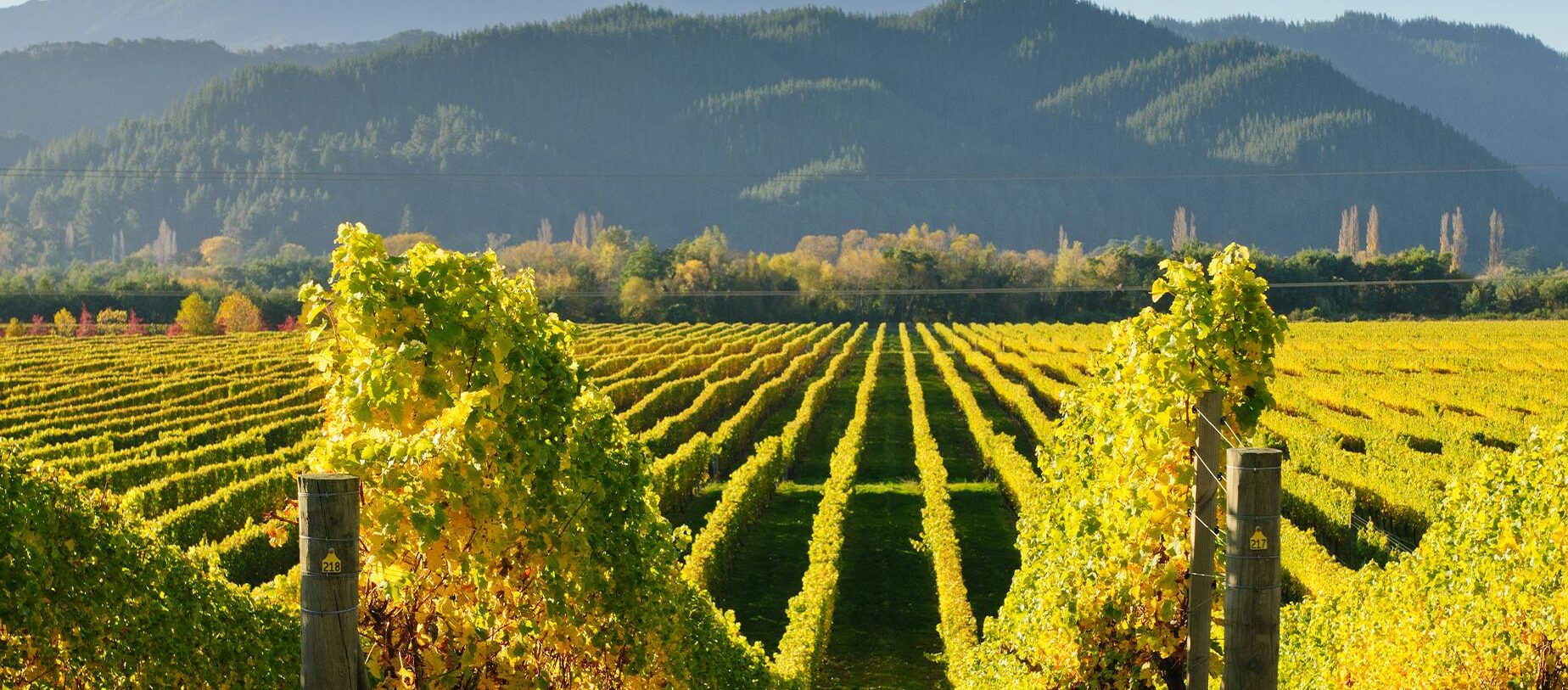
The world of travel has undergone a profound metamorphosis. We have moved past the era of the “checklist tourist”—the one who measures the success of a trip by the number of monuments photographed or the brand name of the hotel lobby. In 2026, the global elite has pivoted toward what sociologists call “The Era of Meaning.” It is no longer enough to simply be somewhere; the contemporary traveler seeks to belong to a place, if only for a few days.
This refined traveler, having already seen the Eiffel Tower from every angle and stayed in every “Grand Dame” hotel from London to Tokyo, now craves a deeper, more visceral connection. This is where wine tourism, or enotourism, has ascended from a niche hobby to the ultimate expression of cultural and sensory travel. It is the perfect intersection of intellect and indulgence.
But what exactly has transformed this practice into the pillar of premium experiences globally? And how does a firm like Luna Global Travel curate this for the world’s most discerning palates?
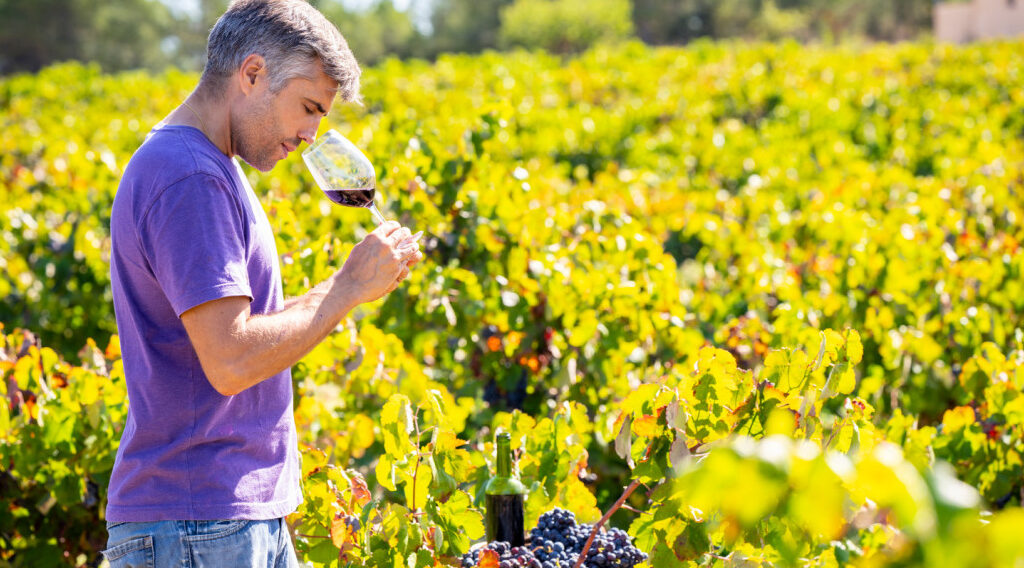
The Art of Traveling Through the Glass
What is Enotourism in the Modern Age?
Wine tourism is a deceptive term. To the uninitiated, it suggests a simple visit to a winery, a quick stroll through some barrels, and a tasting of three glasses before heading to the gift shop. To the Luna Global Travel client, that is not enotourism—that is a distraction.
True enotourism is a multidimensional travel discipline. It is the alchemy of gastronomy, avant-garde architecture, deep-rooted history, and raw nature, all bound together by the common thread of the vine. It is an exploration of terroir—a French term that encompasses soil, climate, and human intervention—but applied to the travel experience itself.
When you enter a private vineyard in the heart of the Douro Valley or a hidden estate in Ribera del Duero, you aren’t just looking at grapes. You are witnessing a lineage. You are walking through a “living library” where the archives are kept in bottles rather than on shelves. In 2026, wine tourism represents the opportunity to enter private sanctuaries where time does not just slow down—it stands still.
The Sensory Architecture of a Sip
Why do we travel halfway across the world to drink something we could theoretically order at a high-end wine bar in Manhattan or London? Because wine is the only liquid that preserves the “spirit of place.”
- The Olfactory Memory: The scent of damp earth in a 13th-century cellar cannot be bottled.
- The Tactile Experience: Feeling the schist soil of Priorat or the limestone of Rioja Alavesa between your fingers changes how you perceive the wine’s acidity.
- The Human Connection: Hearing a third-generation winemaker describe the frost of 2019 with tears in their eyes adds a “tannin” of emotion that no sommelier in a restaurant can replicate.
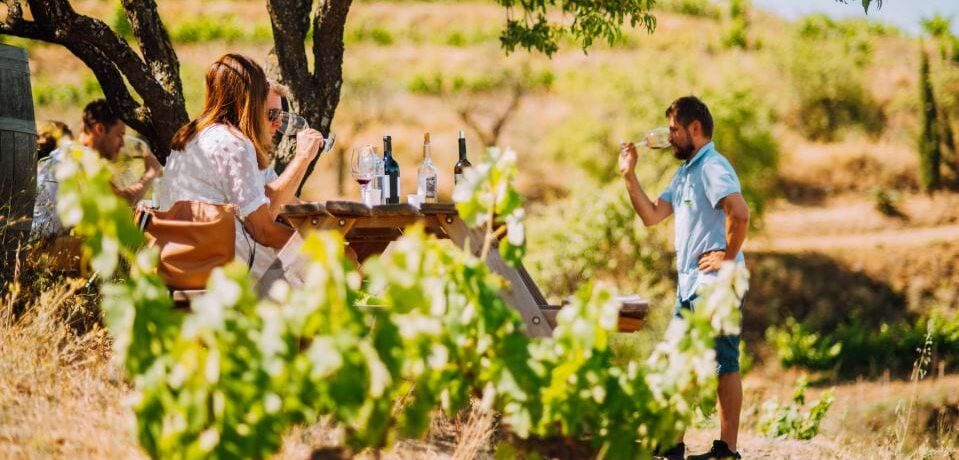
The Pillars of the Premium Wine Experience
For a journey to be considered “Premium” in the current market, it must transcend the commercial. Luna Global Travel has identified three fundamental pillars that define the 2026 wine tourism landscape.
1. Access to the Inaccessible
The world’s most prestigious wineries—the Châteaux of Bordeaux, the Domaines of Burgundy, or the Pagos of Spain—do not have “Open” signs on their gates. In fact, many do not even have signs.
Our value proposition lies in the unpaved road. We provide access to:
- Private Tastings: Sessions held in the family dining rooms of the owners, not in public tasting rooms.
- Vertical Tastings: A rare opportunity to taste the same label across twenty different vintages, observing how the wine (and the world) evolved from 1990 to 2020.
- En Primeur Access: Allowing clients to taste wines still in the barrel, securing their allocation before the vintage is even bottled.
2. Sustainability and the “Purity” Trend
In 2026, luxury is synonymous with integrity. The modern traveler is highly educated on climate change and ecological impact. They seek out wineries that practice biodynamics—a method of farming that treats the vineyard as a closed, self-sustaining ecosystem governed by lunar cycles and natural preparations.
This isn’t just about “being green”; it’s about the “Luxury of Purity.” A wine produced without systemic chemicals, harvested by hand, and fermented with indigenous yeasts offers a clarity of flavor that is the oenological equivalent of a high-resolution photograph.
3. Avant-Garde Architecture: The New Cathedrals
We have entered the age of the “Starchitect” winery. Over the last decade, wine regions have become the world’s most exciting galleries for modern architecture. Figures like Frank Gehry, Norman Foster, and Zaha Hadid have designed structures that aren’t just functional spaces for fermentation; they are landmarks that justify the trip on their own.
These buildings are designed to respect the landscape while challenging the eye. Whether it’s the titanium curves of Marqués de Riscal reflecting the sunset or the subterranean minimalism of Bodegas Protos, these “cathedrals of wine” provide a visual feast that precedes the liquid one.
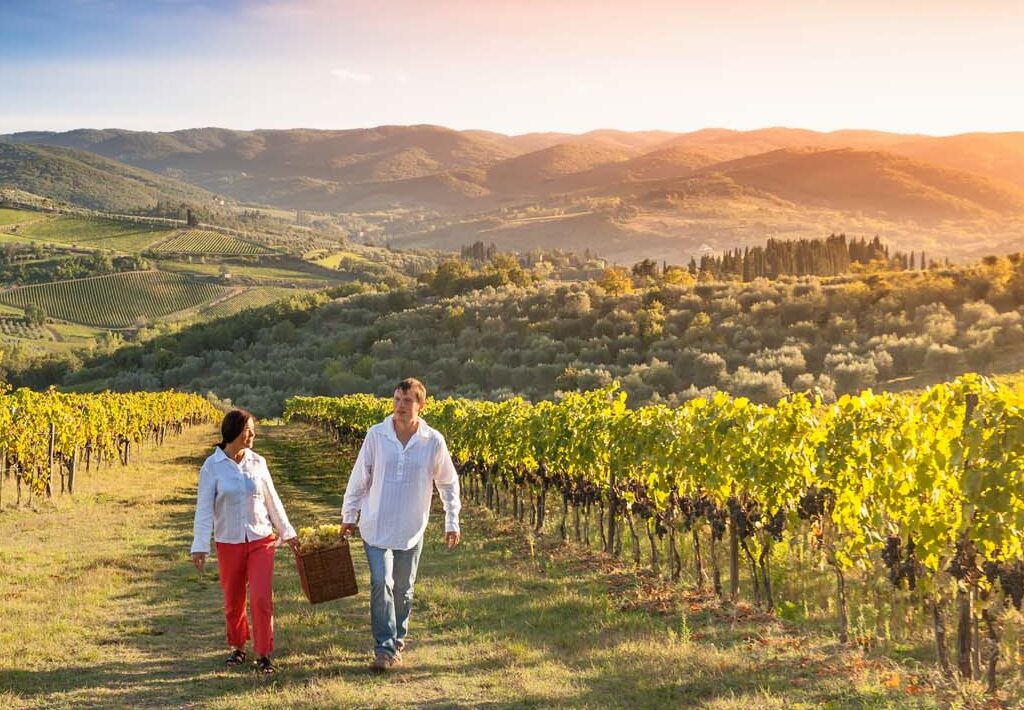
Spain and Portugal – The 2026 Strategy
For the Hispanic and international markets alike, the Iberian Peninsula is currently the epicenter of wine innovation. While France offers history and Italy offers charm, Spain and Portugal offer a disruptive luxury that feels fresh and vital.
Spain: The Golden Mile and Beyond
Spain has successfully shed its image as a producer of “cheap, bulk wine” to become the world leader in high-end enotourism hospitality.
| Region | Key Characteristics | The Luna Experience |
| Ribera del Duero | Power, elegance, and high-altitude Tempranillo. | A private helicopter transfer from Madrid to the “Golden Mile,” followed by a private dinner in the underground caves of a 16th-century estate. |
| Rioja | The historic heart; a blend of old-world oak and new-world tech. | A curated “Architectural Tour” visiting Ysios and López de Heredia, ending with a tasting of “pre-phylloxera” vines. |
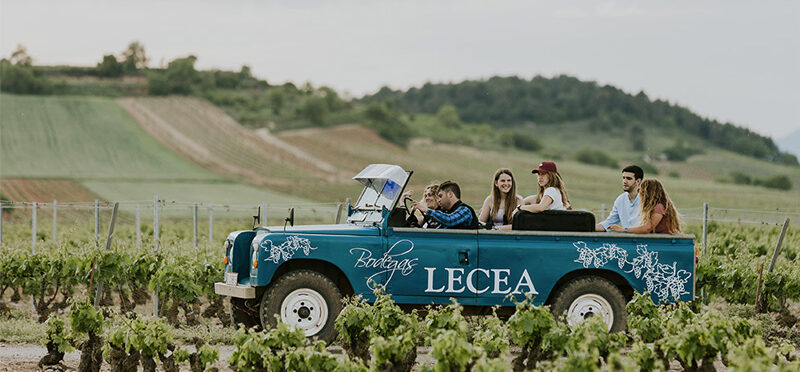
| Priorat | Rugged, volcanic-like soils and intense Garnacha. | Jeep tours through vertical vineyards where “heroic viticulture” is the only way to harvest. |
In Ribera del Duero, we focus on exclusivity. This is a region where the “Castilian silence” is a luxury asset. Staying at a converted monastery like Abadía Retuerta LeDomaine allows our clients to experience a 24-hour butler service where the wine list is essentially a map of the surrounding fields.
Portugal: The Atlantic Soul
Portugal is no longer just about Port wine. In 2026, the Douro Valley is recognized as perhaps the most beautiful wine region on earth. A UNESCO World Heritage site, its terraced vineyards carved into the mountainside are a testament to human persistence.
The strategy here is Slow Travel. We encourage our clients to board a private vintage yacht in Porto and sail up-river toward the Quintas of the Douro Superior. It is a journey of transition: from the salty Atlantic breeze to the schist-heated air of the inland valleys.
The Gastronomic Symbiosis
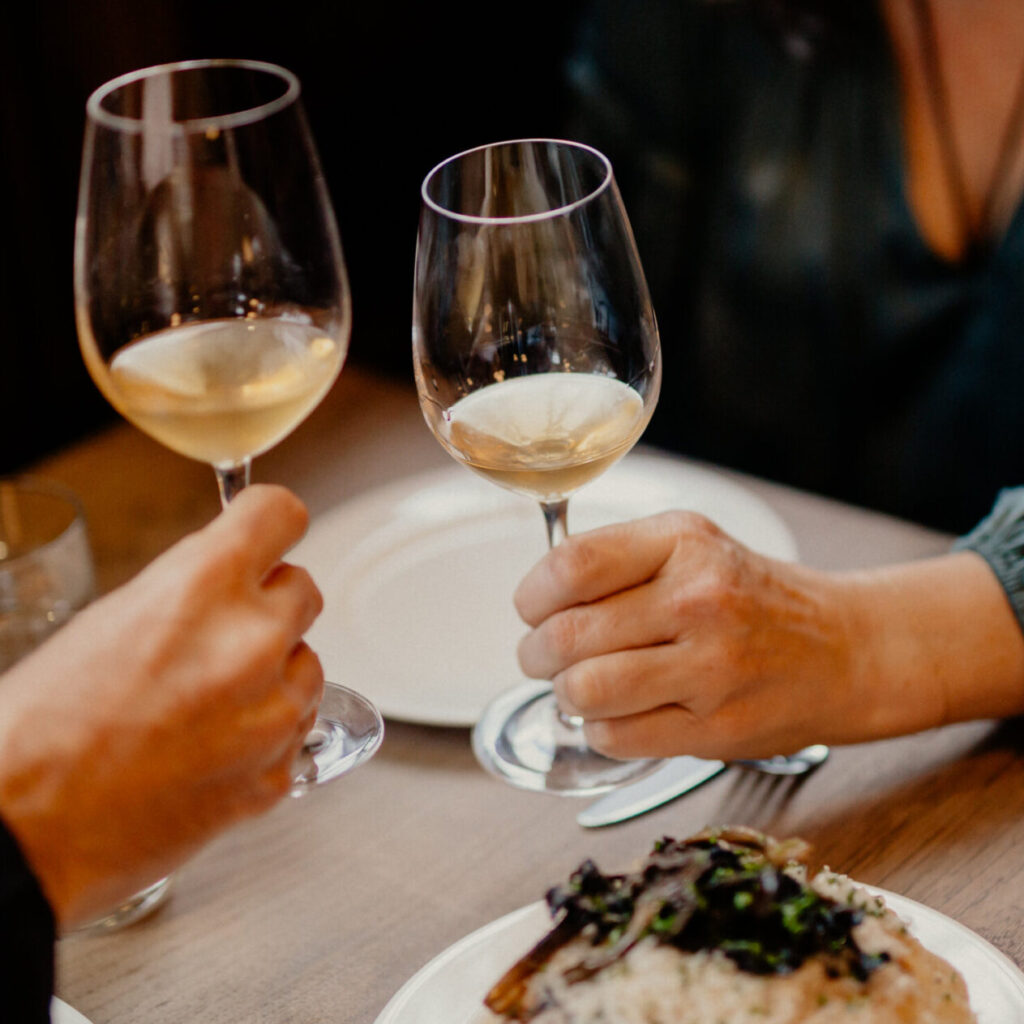
You cannot discuss wine tourism without discussing the plate. In the premium sector, the “winery restaurant” has evolved into a Michelin-starred powerhouse.
In 2026, the trend is “Hyper-Regionalism.” We are seeing a move away from “International Cuisine” (the same seared scallops you find in London or Dubai) toward “Ancestral Flavors.” This means:
Cooking over vine-wood fires to infuse the meat with the essence of the vineyard.
Foraging for local herbs that grow between the rows of grapes.
Pairing ancient, forgotten grape varieties with local artisanal cheeses that are produced within a five-mile radius.
For a Luna Global Travel client, a meal is a seminar in geography. When you drink a wine and eat a dish that share the same soil and the same water, you achieve a “resonance” of flavor that is the pinnacle of the sensory experience.
The Future – Wine Tourism in 2027 and Beyond
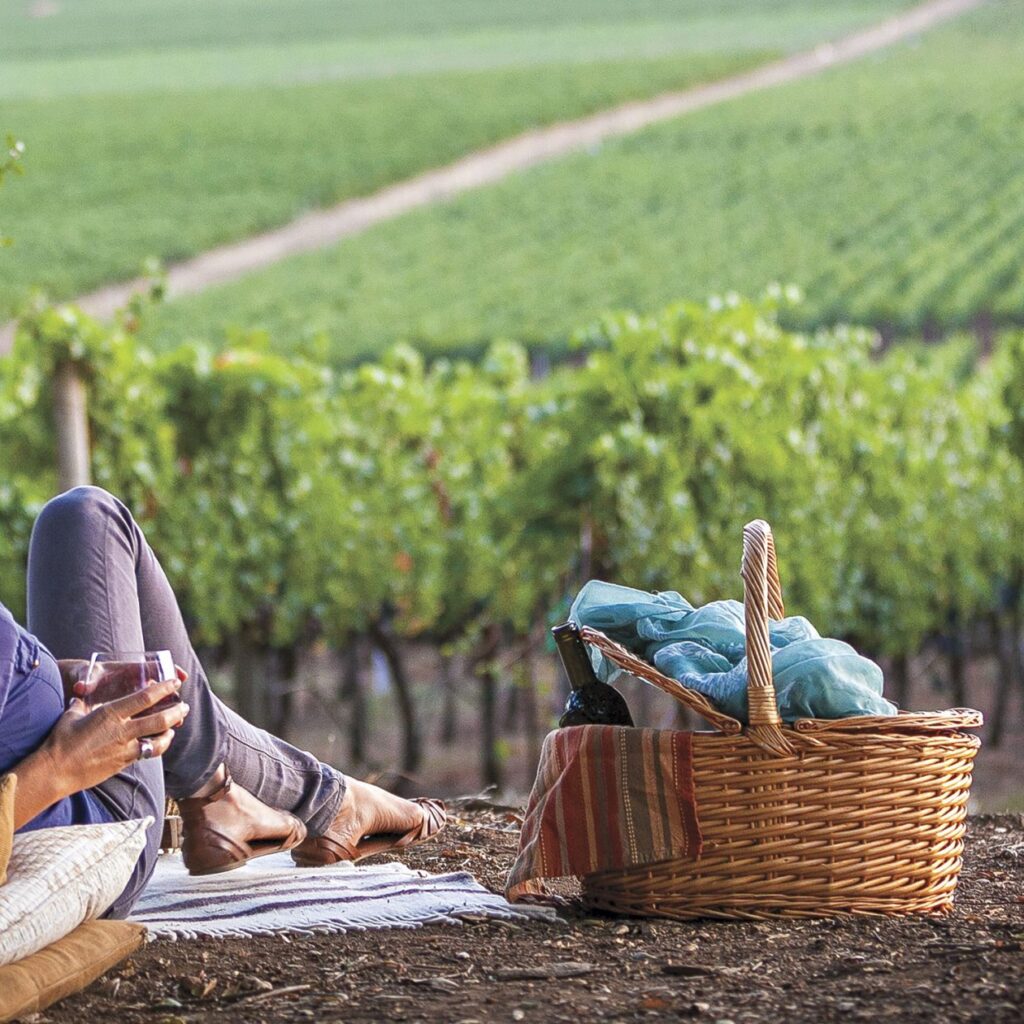
As we look toward the horizon, the world of enotourism continues to evolve. We are seeing the rise of “Wine & Wellness,” where the antioxidant properties of the grape are used in vinotherapy spas. Imagine a grape-seed scrub followed by a massage overlooking the very vines those seeds came from.
Furthermore, Artificial Intelligence is beginning to play a role—not in the making of the wine, but in the curation of the trip. At Luna Global Travel, we use data-driven insights to understand a client’s specific “palate profile,” allowing us to suggest hidden gems in regions like the Gredos Mountains or the Alentejo that they might never have discovered on their own.
Conclusion: Uncorking the World
Wine tourism is not a vacation; it is an investment in your own culture. It is the process of learning to read a territory through its most noble product. It is about understanding that a bottle of wine is not just fermented juice—it is a capsule of the weather, the history, and the soul of the people who made it.
At Luna Global Travel, we don’t just book hotels and tasting appointments. We curate “liquid memories.” We open the doors that are usually locked, and we pour the vintages that are usually hidden.
The world of 2026 is loud, fast, and digital. Wine tourism is the antidote. It is slow, analog, and deeply human.
Are you ready to uncork the world with us?