A Cinematic Overture: The Awakening of the Giant
Silence in the Ribera del Duero is not an absence; it is a physical presence. It is six in the morning, and a dense, almost tactile mist creeps over the riverbed like a grey silk shroud protecting a thousand-year-old secret. Here, in the heart of Castile, the air isn’t just breathed; it is tasted. It smells of wild thyme, of limestone soil exhaling its nocturnal warmth, and of that electric promise that only the dew on a Tempranillo grape skin can offer.
Imagine rolling down the window of your Aston Martin—or perhaps the Range Rover waiting for you at the edge of a private airfield—and letting the biting cold of dawn sharpen your senses. In the distance, the silhouettes of medieval castles cut against a sky beginning to tint with a liturgical violet. You haven’t just entered any wine region; you’ve stepped into the “Mecca” of rustic hedonism.
This is not the Napa Valley of selfies and diluted Chardonnay, nor is it the Bordeaux of suffocating hierarchies. The Ribera is something else entirely. It is where luxury strips off its jewels to put on leather boots and sink its hands into the gravelly soil. This is the land of wines that do not ask permission to exist, but rather demand your absolute attention. The crunch of your footsteps on the fine gravel as you approach the first estate is the prelude to a symphony of uncorking. Here, every bottle is a historical archive, and every glass is a portal to a tradition that was old when empires were still young. If you are seeking the bottled soul of Spain, prepare yourself. The journey beyond the coast has just begun, and I assure you, the sea has never felt so distant—or so dispensable.
Context and Terroir: A Character Forged in “Hell”
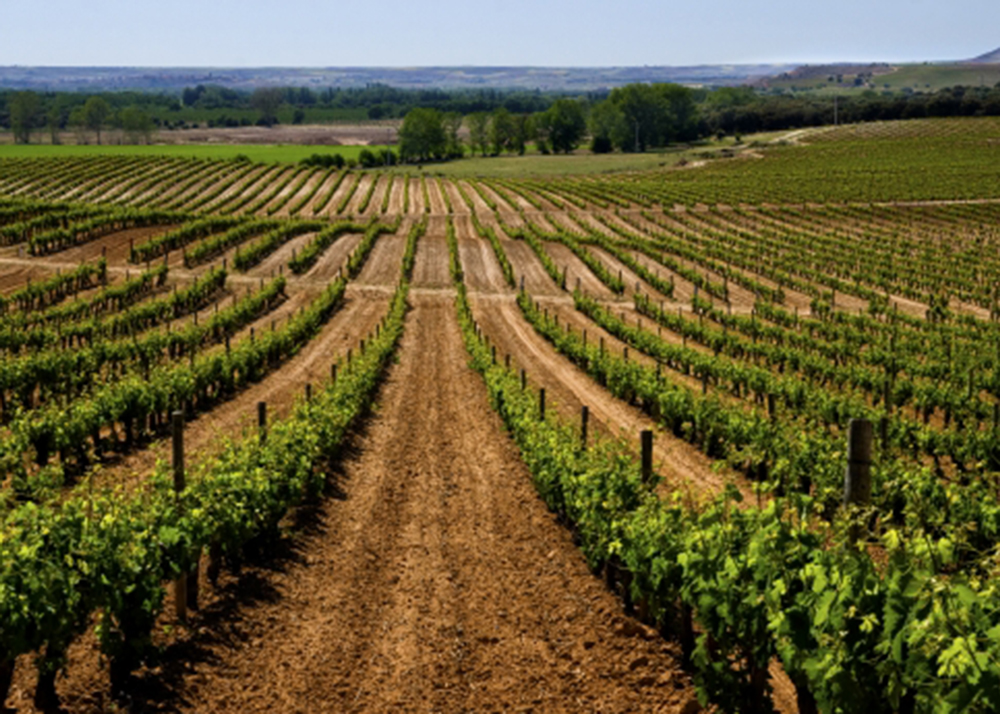
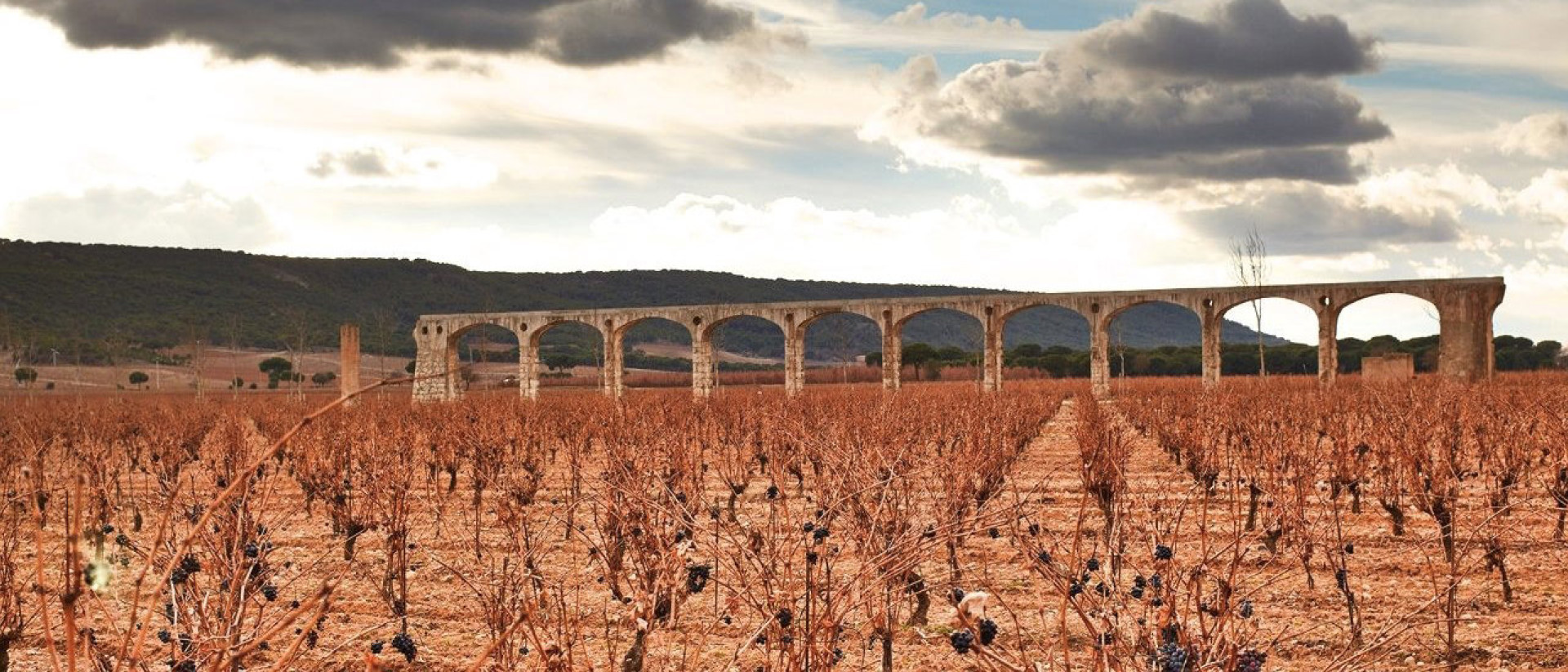
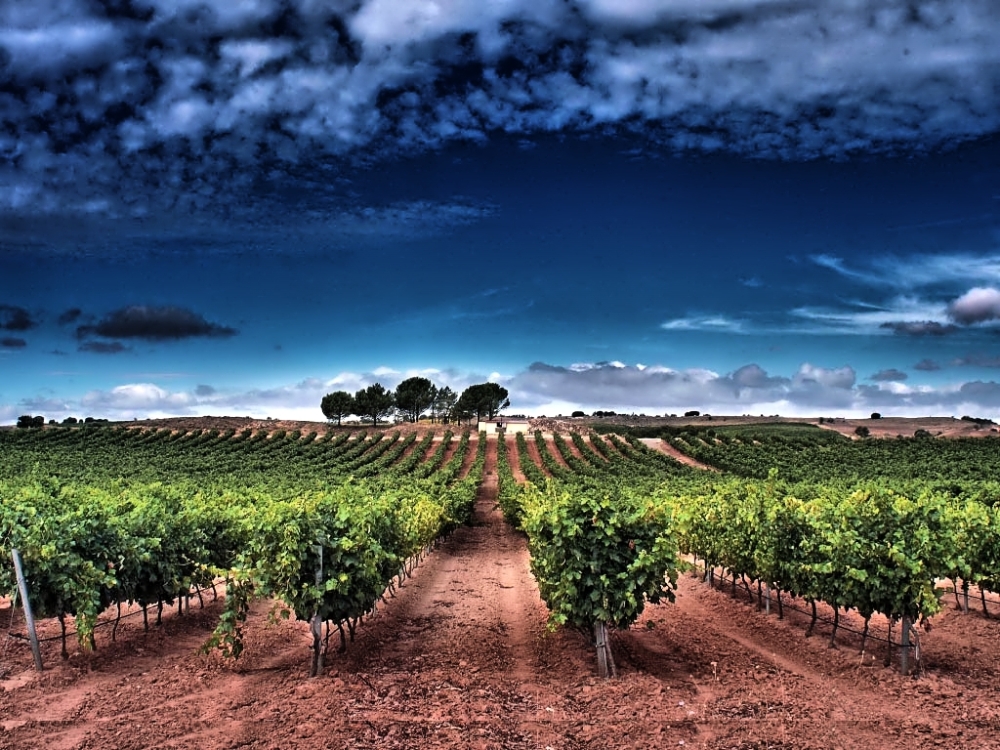
To truly understand a great wine, one must understand the suffering of the vine. In Ribera del Duero, the grape does not simply grow; it survives. And it is this existential struggle that grants it its nobility. The geography of this region is a high plateau, a stage of altitudes that defy logic—between 700 and 1,000 meters above sea level—where the sunlight is so pure it seems to wound the eyes.
The climate here is defined by a pithy phrase that locals repeat with defiant pride: “Nine months of winter and three of hell.” The thermal oscillations are brutal; you can swing from a scorching midday of 40°C to a 10°C night in a matter of hours. This thermal shock is the secret to their success: it halts maturation, preserves acidity, and allows the fruit to develop a complexity that would be impossible in more docile climates.
But the true protagonist of this novel is the Tinto Fino, the local variant of the Tempranillo. If the Tempranillo from Rioja is a ballet dancer—elegant and fluid—the Tinto Fino of the Ribera is a warrior in velvet armor. It has mutated to adapt to the limestone, clay, and alluvial soils of the Duero. Its berries are smaller, its skin thicker, its concentration more ferocious. It is a grape with an iron backbone and a heart of explosive black fruit. To drink a Ribera is to interact with a complex character: it is austere at first, perhaps a bit distant, but once it opens up, it reveals a generosity of nuances—tobacco, leather, graphite, licorice—that leaves you speechless. It is the soul of Castile: rugged on the outside, infinite on the inside



Detailed Analysis of the Cathedrals of Wine
- Vega Sicilia: The Untouchable Myth
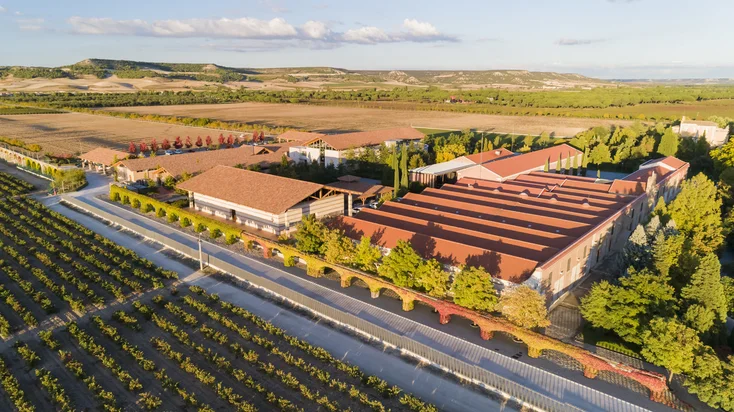
Architecture and Vibe: Arriving at Vega Sicilia is akin to entering the Vatican of wine. There are no neon signs or souvenir shops. Castilian sobriety is elevated here to the category of high art. The original 19th-century winery, built of brick and stone, exhales a timeless elegance. It doesn’t seek to impress with impossible cantilevers; its power lies in the history emanating from its walls. The atmosphere is one of reverential silence, interrupted only by the rustle of the meticulously manicured gardens. This is the luxury that doesn’t need to shout because it knows exactly who it is.
The Wine Tourism Experience: Forget group tours of twenty people. Here, exclusivity is the ironclad rule. The descent into their cellars is a journey to the center of the earth. The air is humid and cool, heavy with the sacred aroma of top-tier French and American oak (they have their own cooperage, of course). Walking through the rows of barrels where the Unico rests feels like browsing a library of incunabula. The touch of the wood is smooth, almost organic, and the sound of the cork popping in their private tasting room—overlooking vineyards that have watched generations pass—has an acoustic quality that borders on the mystical.
The Star Wine: Vega Sicilia Unico Tasting a Unico is to confront time itself. It is not just wine; it is liquid velvet. In a vertical tasting, you discover notes of dried figs, cigar boxes, and a minerality reminiscent of cold graphite. On the palate, it is a controlled explosion: a tannic structure so polished it feels like silk, with a finish that lasts longer than a literary conversation. It is a wine that tastes like dawn on the plateau, with that acidic freshness that keeps it alive for decades.
The Wow Factor: The historical archive. They possess records of every harvest since 1864. But the true secret is their private “cemetery” of old bottles, where vintages that have survived wars and crises rest, waiting for the moment to prove that perfection has no expiration date.


- Abadía Retuerta LeDomaine: Benedictine Hedonism
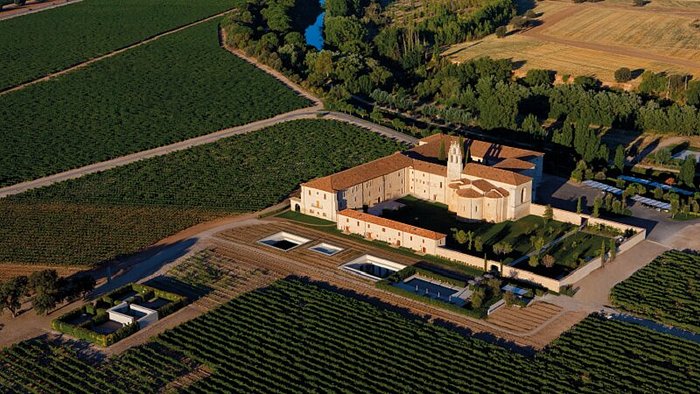
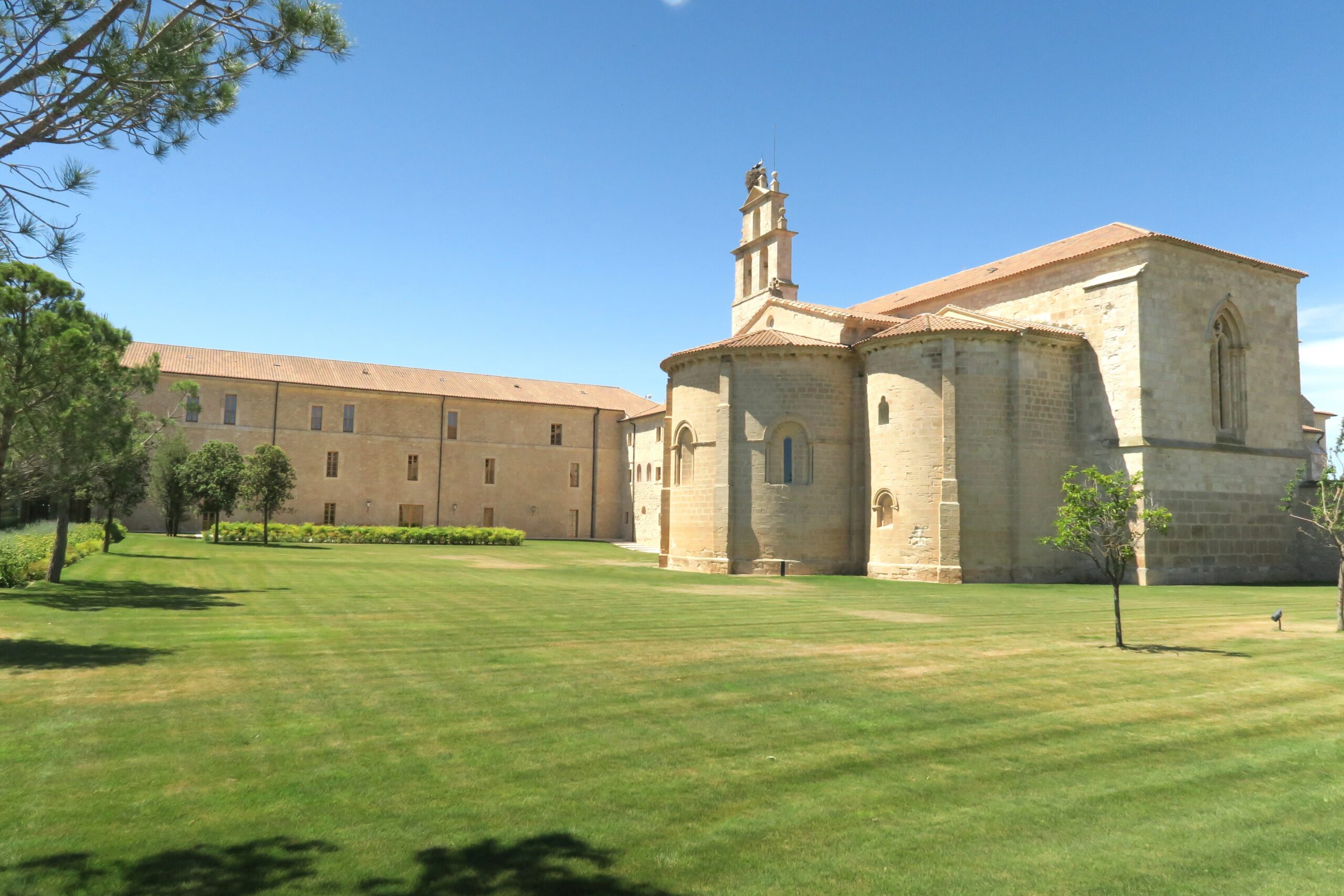
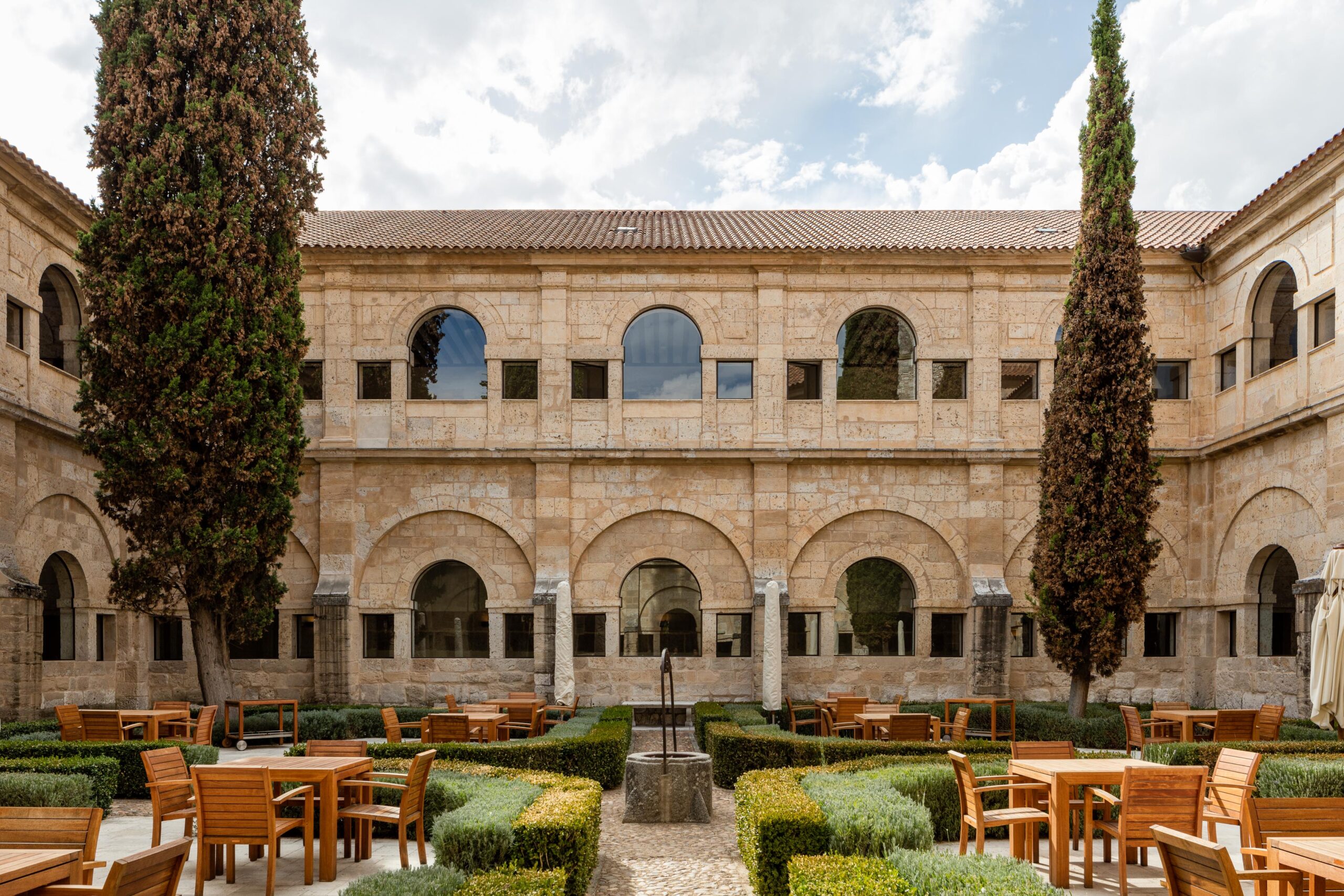
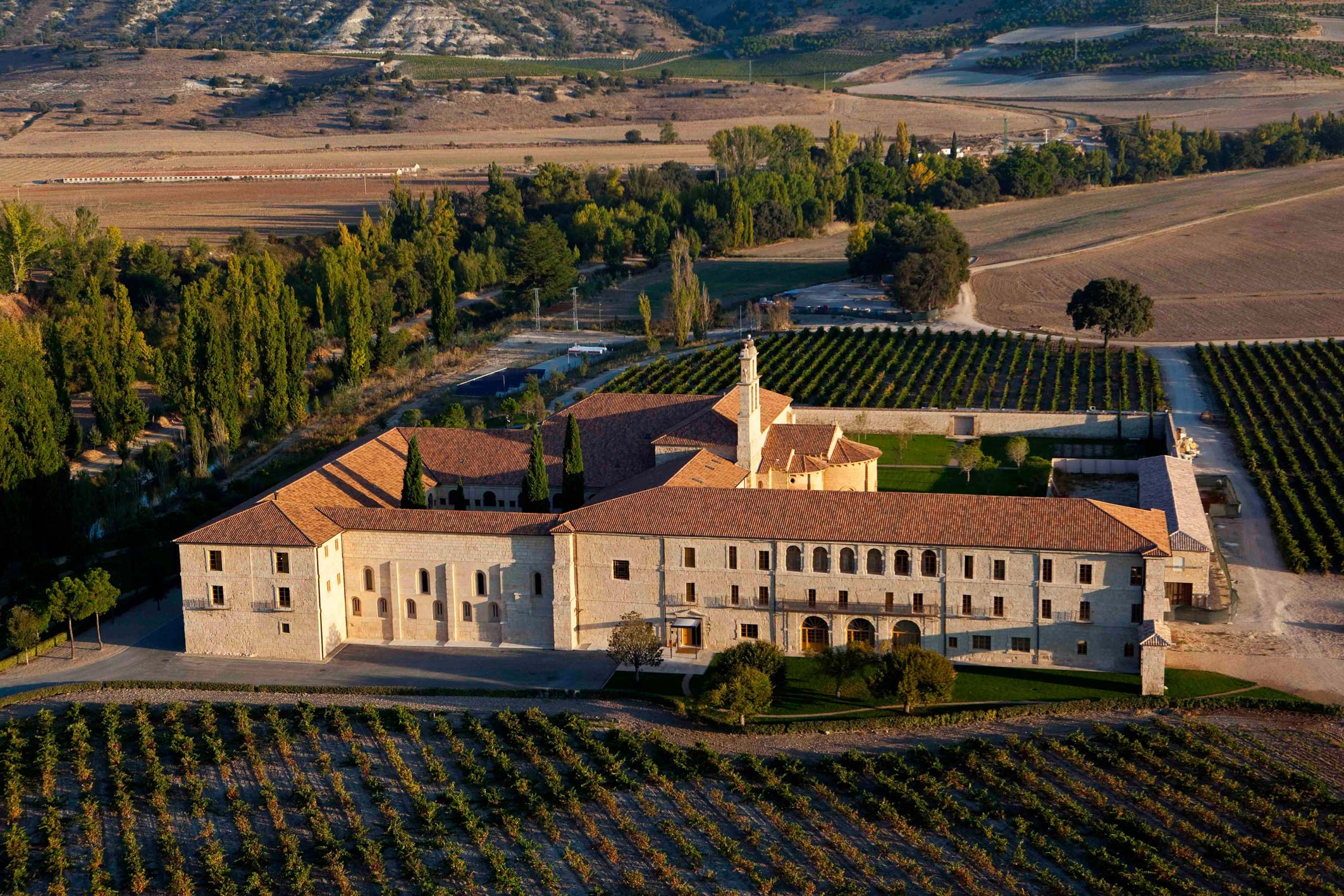
Architecture and Vibe: If Gehry represents the future, Abadía Retuerta represents the origin. This winery and hotel are situated in a perfectly restored 12th-century abbey. It is a Romanesque jewel where stone arches and cloisters invite a rare kind of introspection. The vibe is one of absolute peace—a monastic luxury where the butler service is so discreet it feels like telepathy. It is the place where time stops so that you can drink.
The Wine Tourism Experience: Here, wine tourism is experienced from the heavens. The premium experience includes a helicopter flight over the “Golden Mile” before landing among the vineyards for a luxury picnic. Afterward, the descent to the winery is a sharp contrast of cutting-edge technology and ancestral architecture. The sound here is that of wine falling by gravity into the tanks—a handcrafted process that guarantees the purity of the fruit.
The Star Wine: Pago Negralada A single-vineyard Tempranillo that defies convention. It is pure, elegant power. We are talking about notes of wild blackberries, roasted coffee, and a floral hint of violets that assaults the nose. On the palate, it is opulent, with a volume that fills every corner of the mouth. It is, quite literally, the expression of a single pago—a fragment of earth converted into a poem.
The Wow Factor: The Sanctuary. A former deconsecrated chapel converted into a tasting room, where light filters through ancient stained-glass windows while you sample wines that, ironically, make you feel closer to heaven than ever.

- Bodegas Portia: The Norman Foster Vision
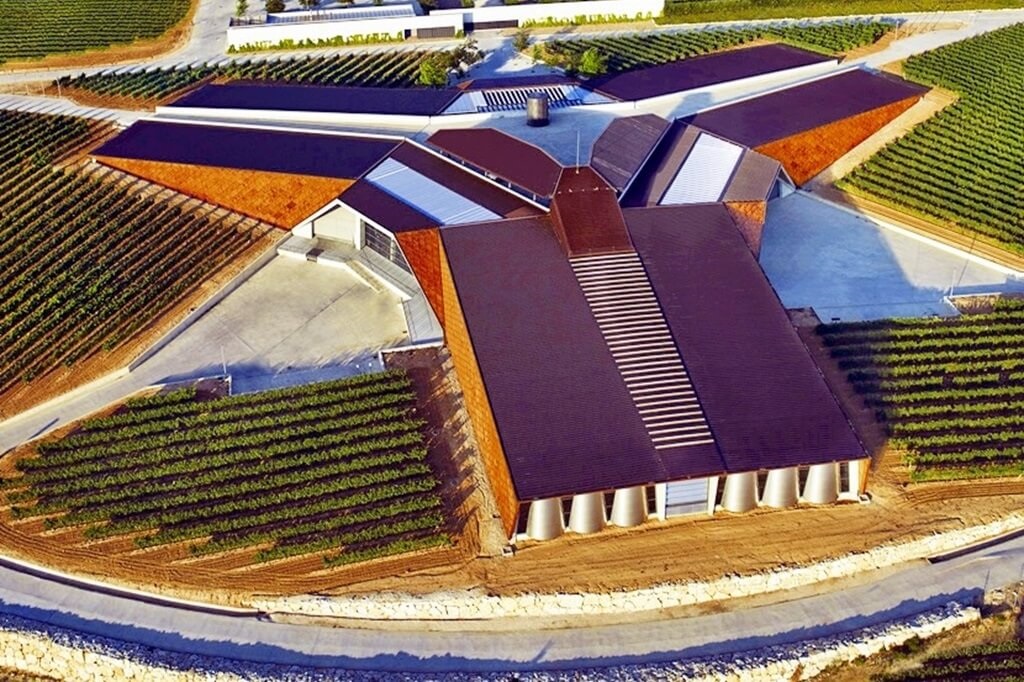
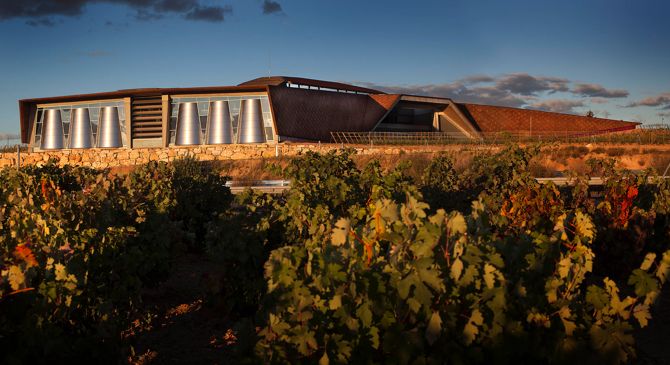
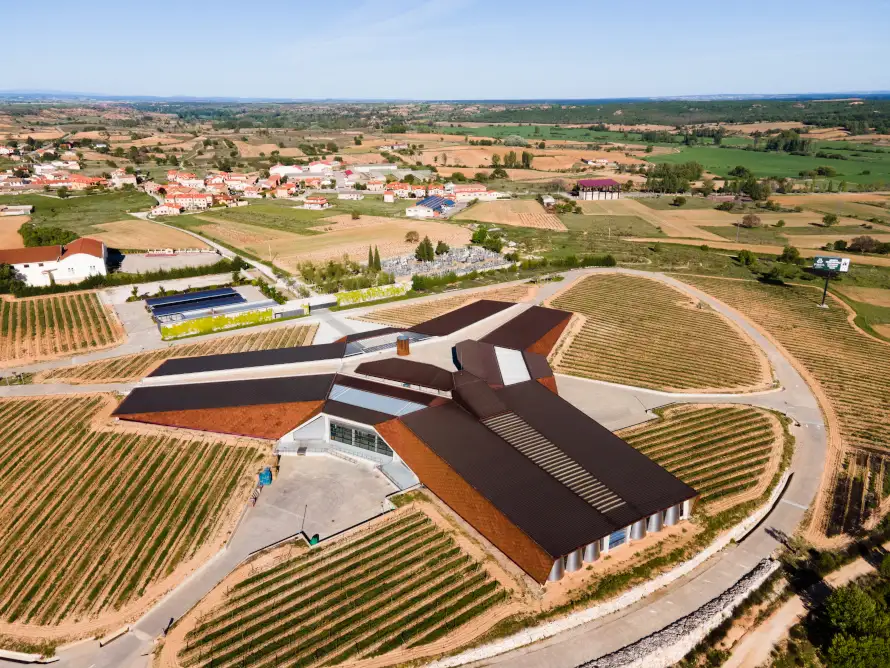
Architecture and Vibe: Stunning. There is no other word. Designed by the award-winning Lord Norman Foster, Portia is a three-pointed star emerging from the earth like a spaceship that decided to take root. It utilizes industrial materials—steel, glass, concrete—but integrates them with wood and earth in an organic way. It is pure avant-garde in the middle of the Castilian countryside.
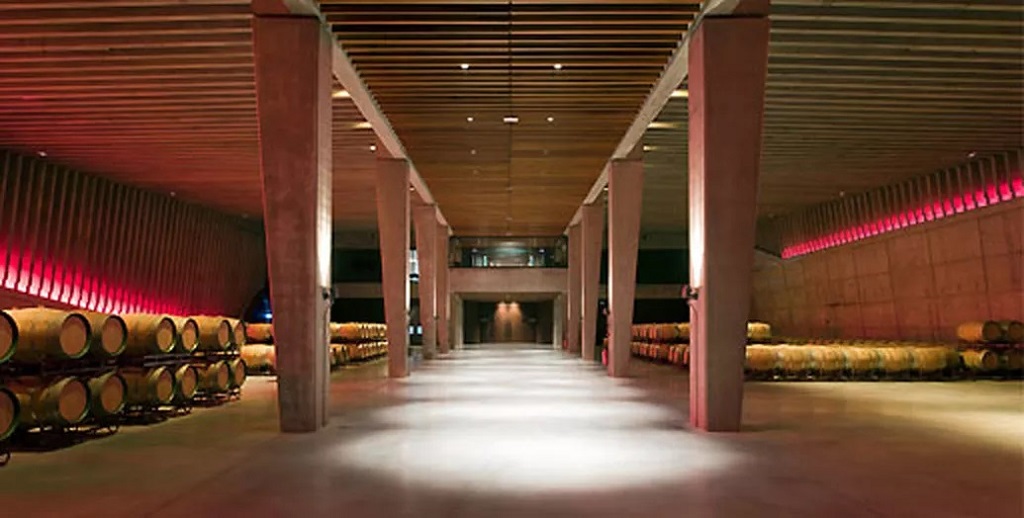
The Wine Tourism Experience: The tour is a visual choreography. You walk on glass catwalks above the fermentation areas, viewing the process from above like an omniscient observer. The design is intended to let gravity do all the work, minimizing the impact on the wine. The moment you enter the barrel room, arranged in a circular design reminiscent of a modern amphitheater, is breathtaking.
The Star Wine: Portia Summa A signature wine that is the epitome of modernity. Notes of cocoa, exotic spices, and a background of very ripe red fruit. It is vibrant and direct, with a juicy acidity that invites you to take the next sip before you’ve even finished the first.
The Wow Factor: The “Cellar of the Stars.” A futuristic tunnel where bottles are stacked in metallic structures that look like contemporary art installations, illuminated by LED lights that change color according to the mood of the tasting.

Pairing and Gastronomy: A Religious Communion
In the Ribera, eating is not a formality; it is a sacrament. The undisputed king of pairings is the Lechazo Churro. Suckling lamb, roasted in a holm oak wood-fired oven, its skin crackling with a celestial sound while the meat melts at the mere touch of a fork. The lamb’s fat requires the tannic structure of a great Reserva to cleanse the palate, creating an infinite cycle of pleasure.
But modern luxury has also settled here with Michelin stars that reinterpret tradition. Imagine a freshly foraged Boletus edulis, sautéed with farm-fresh egg yolk and black truffle, paired with a signature wine. Or torreznos (pork cracklings) from Soria transformed into haute cuisine: a crystal crust enclosing a sinful juiciness. Here, the product is the protagonist, and the wine is the golden thread that elevates every bite to a religious experience. Do not forget to try the sheep’s cheeses cured in lard; they are the perfect closure for a tasting that refuses to end.
VIP Survival Guide: Logistics for the Elite
For the traveler seeking the extraordinary, improvisation is the enemy.
- Transport: Do not drive. Hire a private chauffeur service with local expertise. The roads between wineries are beautiful, but the tastings are generous, and the local Civil Guard’s breathalyzer checks are legendary.
- Reservations: In places like Vega Sicilia or Dominio de Pingus, visits are managed months (or years) in advance and are often by invitation or through industry contacts only. Use your trusted concierge.
- Attire: “Castilian Chic.” Layers, always layers. The sun can be scorching, but the underground cellars maintain a constant 12°C (54°F). A cashmere sweater or a light blazer is your best ally.
- Timing: Harvest season (September/October) is vibrant, but spring is when the region reveals its most poetic face.
Are you ready to let the Duero whisper its secrets in your ear while you hold a glass of liquid history? The Ribera awaits you, and it takes no prisoners—only devotees.