The Symphony of Emptiness: A Cinematic Introduction
Sunrise in the Beira Interior is not a meteorological event; it is a religious revelation. Imagine that the world as you know it—that incessant noise of notifications, sirens, and asphalt—has been hushed by a divine decree. The mist retreats with the laziness of someone who knows they have nowhere else to be, slowly unveiling a landscape that looks as if it were sculpted by a melancholic giant with an obsession for granite and moss.
Here, the air smells of a heady mixture of damp earth, wild rosemary, and that metallic, almost electric note that only schist and granite soils release after a night of rain. We are in the Historical Villages of Portugal, an archipelago of stone frozen in time, where the silence is so dense you can almost bottle it. And believe me, if that silence had a label, it would be an exceptional vintage.
As someone who has tasted everything from the Premier Crus of Bordeaux to the best-kept secrets of the Napa Valley, I assure you that true luxury today is not gold; it is the exclusivity of isolation. This route is not for the “check-list” tourist seeking a quick selfie; it is the Mecca for the initiate searching for the soul of the grape in its purest state. Here, wine is not a product; it is the umbilical cord connecting these medieval fortresses to modernity. Every glass of a high-altitude white or a heroic aged red in these lands tells the story of a frontier that never surrendered. If you are looking for the “perfect glass”—the one that makes you close your eyes and feel the heartbeat of the earth beneath your feet—your private journey begins right here, where Portugal becomes eternal.

The Terroir: Where Stone Dreams of Becoming Wine
To understand the wines of the Historical Villages, we must speak of their geography as if we were describing the character of an old Portuguese aristocrat: austere, resilient, yet possessing a disarming elegance. The Beira Interior region is a geological battleground. We are surrounded by the towering peaks of the Serra da Estrela, Marofa, and Malcata. Here, altitude is not just a number; it is a lifestyle.
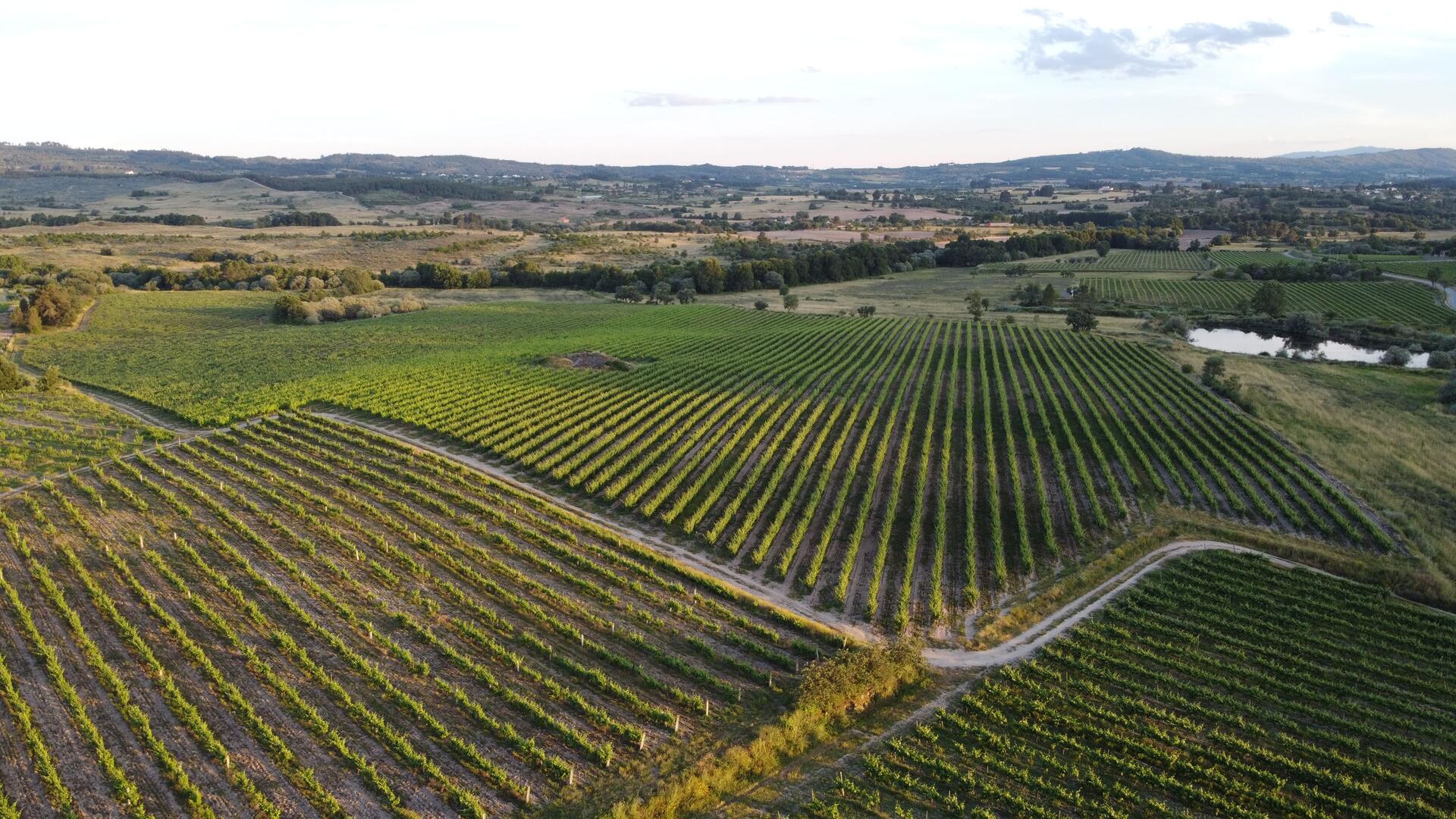
The local grape does not grow; it survives. And within that survival lies its genius. The climate is a drama of contrasts: winters where the cold bites to the bone and summers where the sun seems intent on melting the ramparts of Sortelha or Monsanto. This “climatic stress” forces the roots to seek solace meters deep, piercing the granite to find a moisture that later translates into a piercing minerality in the glass.
If the Siria grape (the white queen of the heights) were a character in a novel, she would be a period-drama heroine: seemingly fragile, but with a vibrant acidity that allows her to age with astonishing dignity. On the other hand, Fonte Cal provides that unctuousness, that body that wraps around the palate like a silk shawl. Among the reds, Rufete is the great forgotten variety that is now reclaiming its throne, offering wines light in color but profound in intent, with notes of shaded forests and wild berries. This is not a terroir for commercial, boring wines; it is the domain of “heroic viticulture,” where every cluster is a small miracle of resistance.
Temples of the Sacred Liquid: A Descent into the Sublime
- Quinta dos Termos (Belmonte): The Sanctuary of Precision
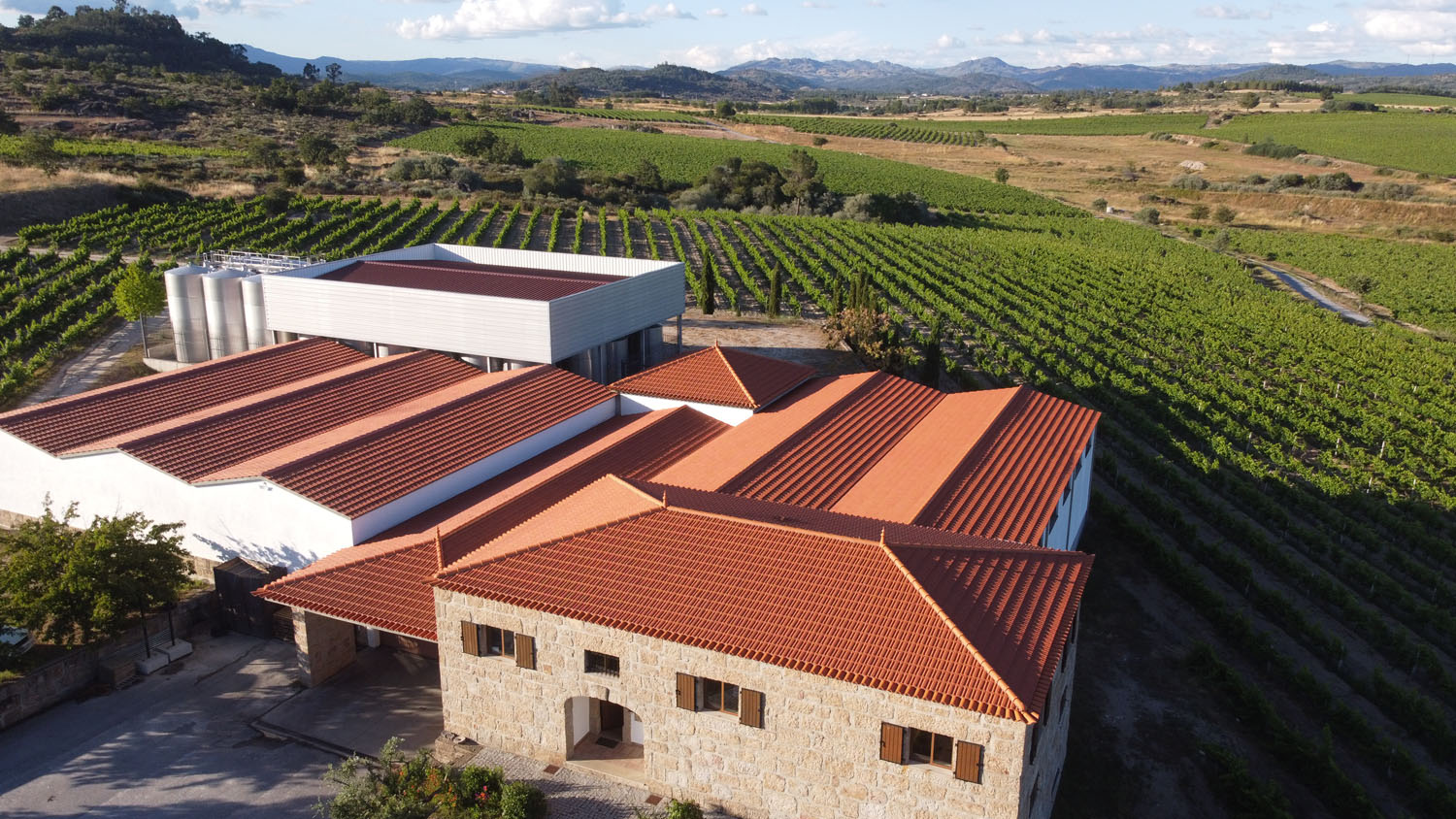
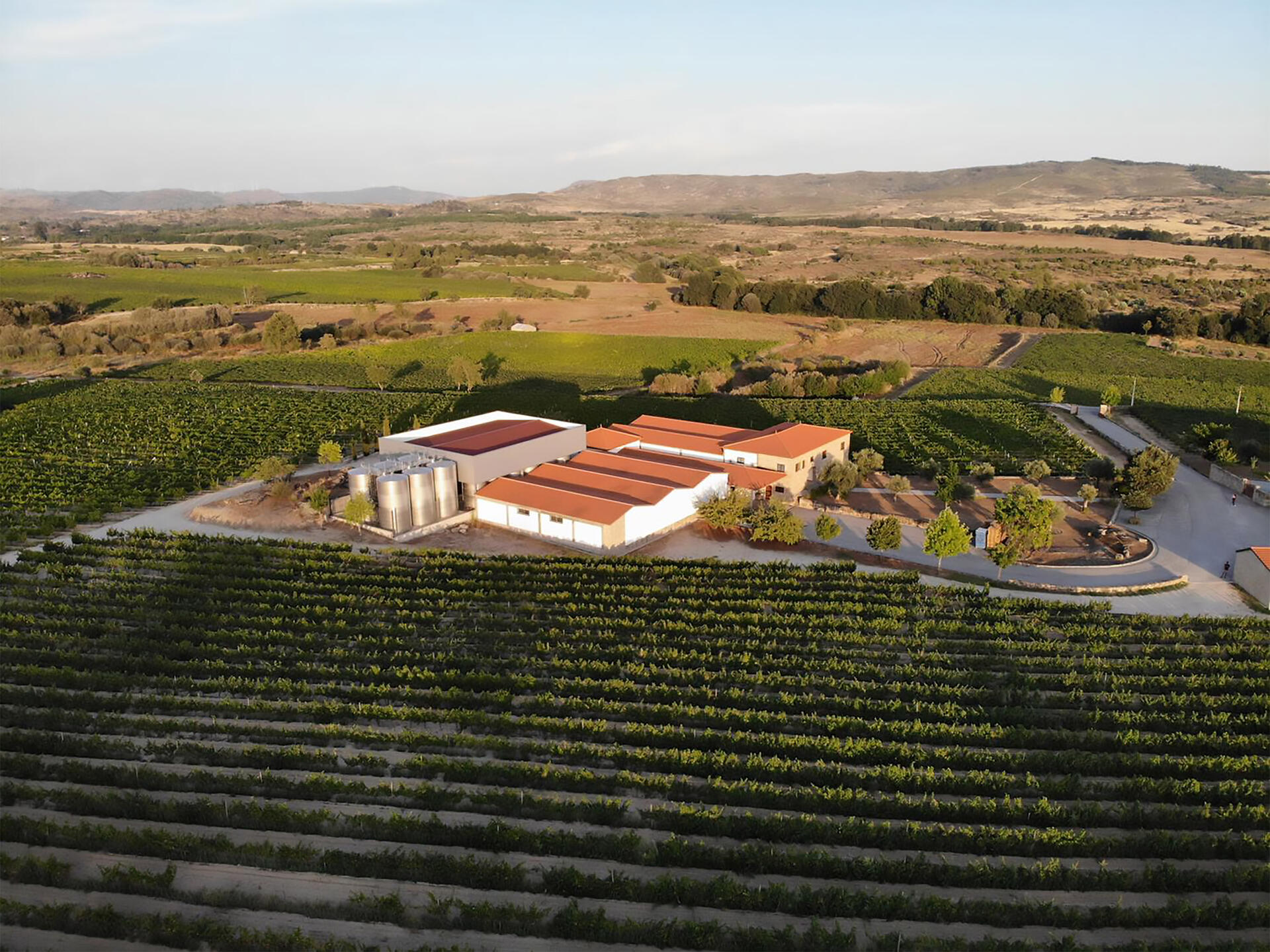
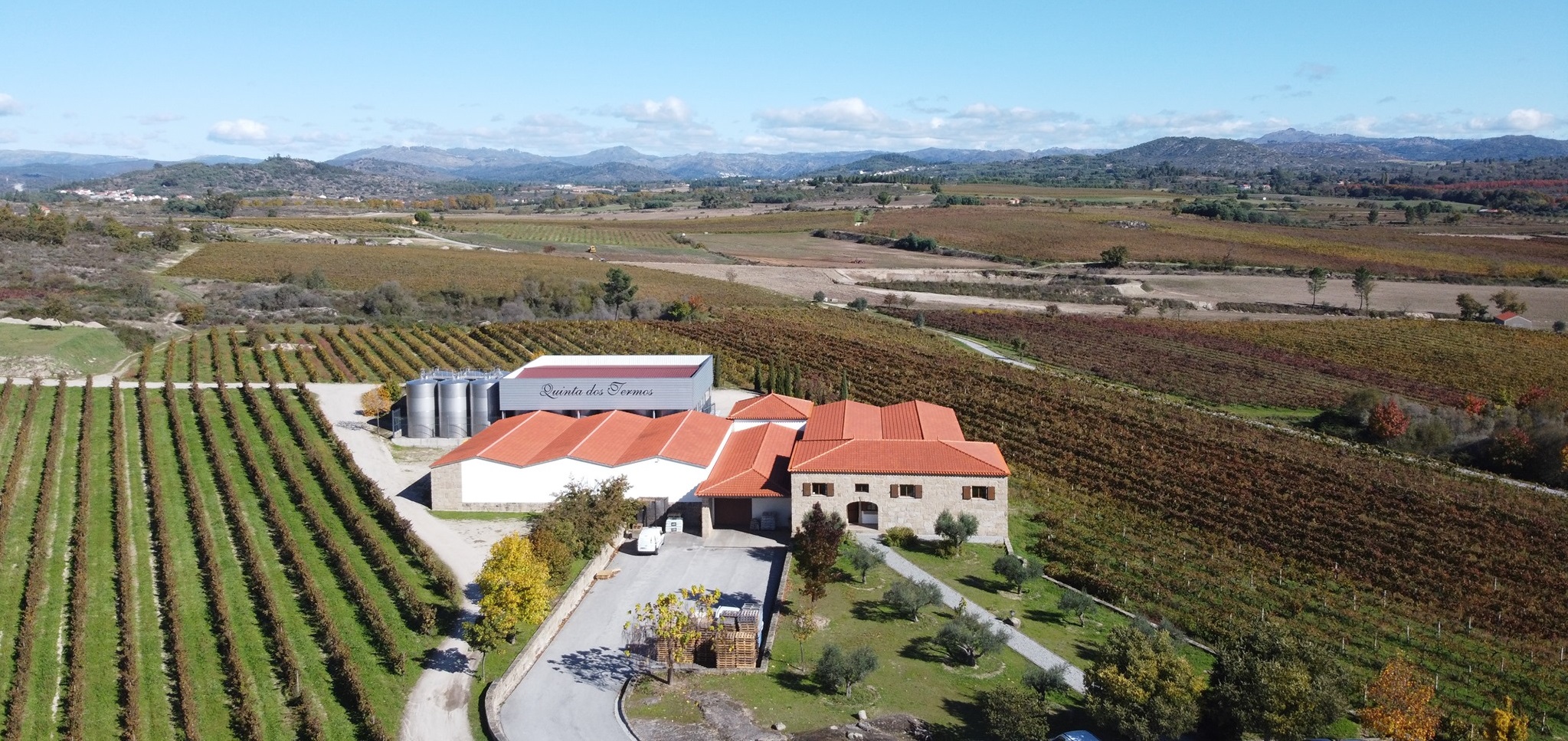
On the slopes of the Serra da Estrela, near the historic and indomable Belmonte, stands Quinta dos Termos. If you are expecting a dusty cooperative, prepare for the impact. This winery is an ode to intelligence applied to the land.
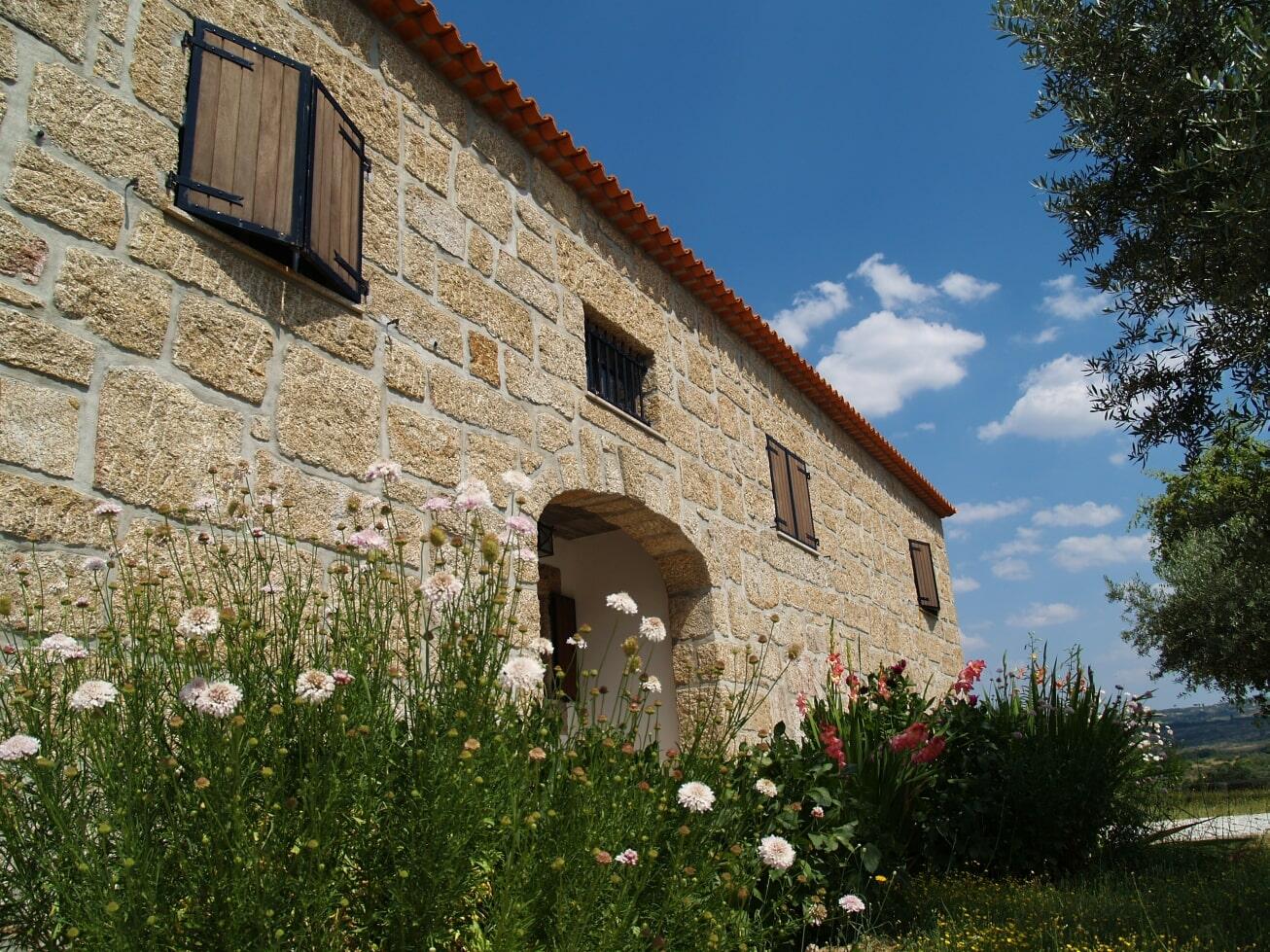
- Architecture and Vibe: The winery combines technical functionality with a reverential respect for its surroundings. It doesn’t seek the exhibitionism of a star architect; it seeks perfect integration. It is a space of high ceilings and cutting-edge technology that whispers “efficiency and purity.” The atmosphere is that of an alchemy lab where science has decided to surrender to tradition.
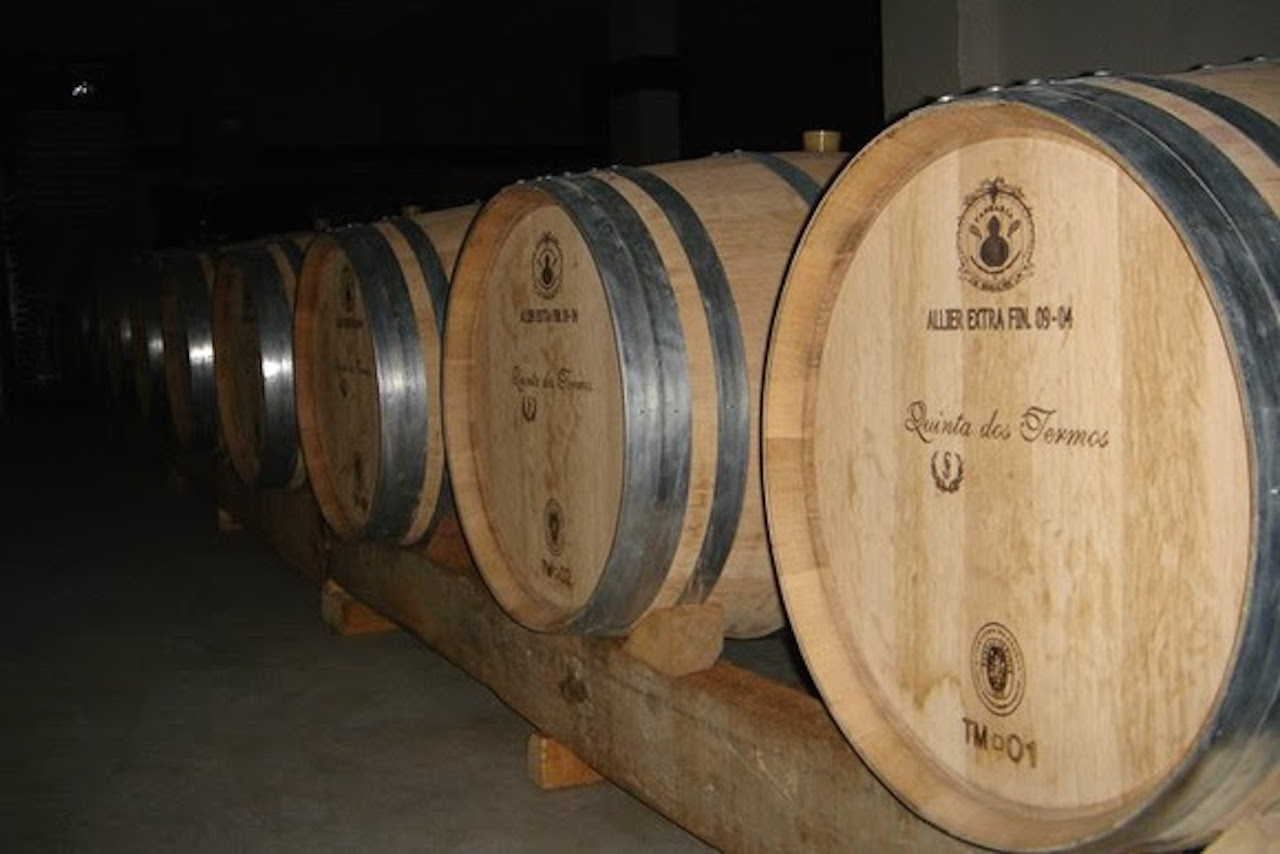
- The Wine Tourism Experience: Forget standing tastings. Here, the descent into their private cellar is a sensory journey. The sound of a Reserva being uncorked echoes off the stone walls, followed by the ceremonious pour into Riedel glassware that allows the wine to breathe after years of slumber. The touch of the French oak barrels, smoothly sanded, is the prelude to what is to come.
- The Star Wine: The Quinta dos Termos Seleção Rufete. This is liquid velvet. On the nose, it’s a stroll through a pine forest after a storm; on the palate, notes of graphite and a sunrise of tart red fruits that cleanse the palate. It is an intellectual wine, one that demands attention and rewards you with an eternal finish.
- The Wow Factor: Their “germplasm bank.” Quinta dos Termos owns a private collection of nearly extinct grape varieties. Being able to taste a micro-lot of a variety that exists nowhere else in the world is the enological equivalent of reading an unpublished manuscript by Fernando Pessoa.
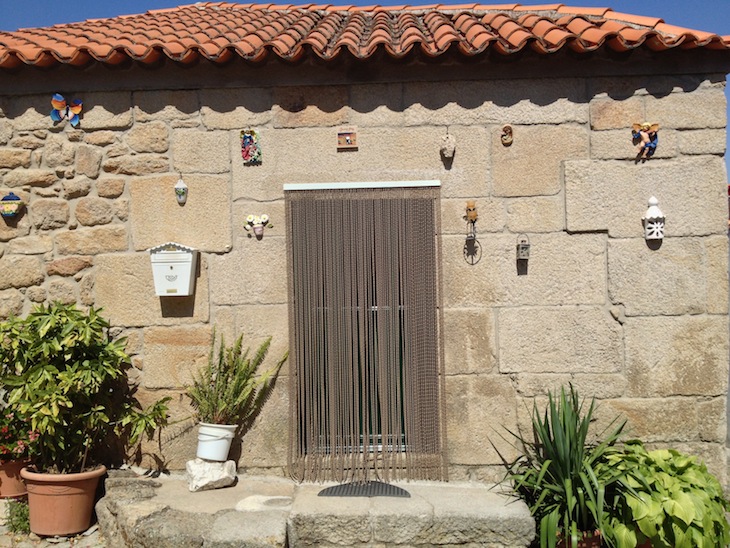

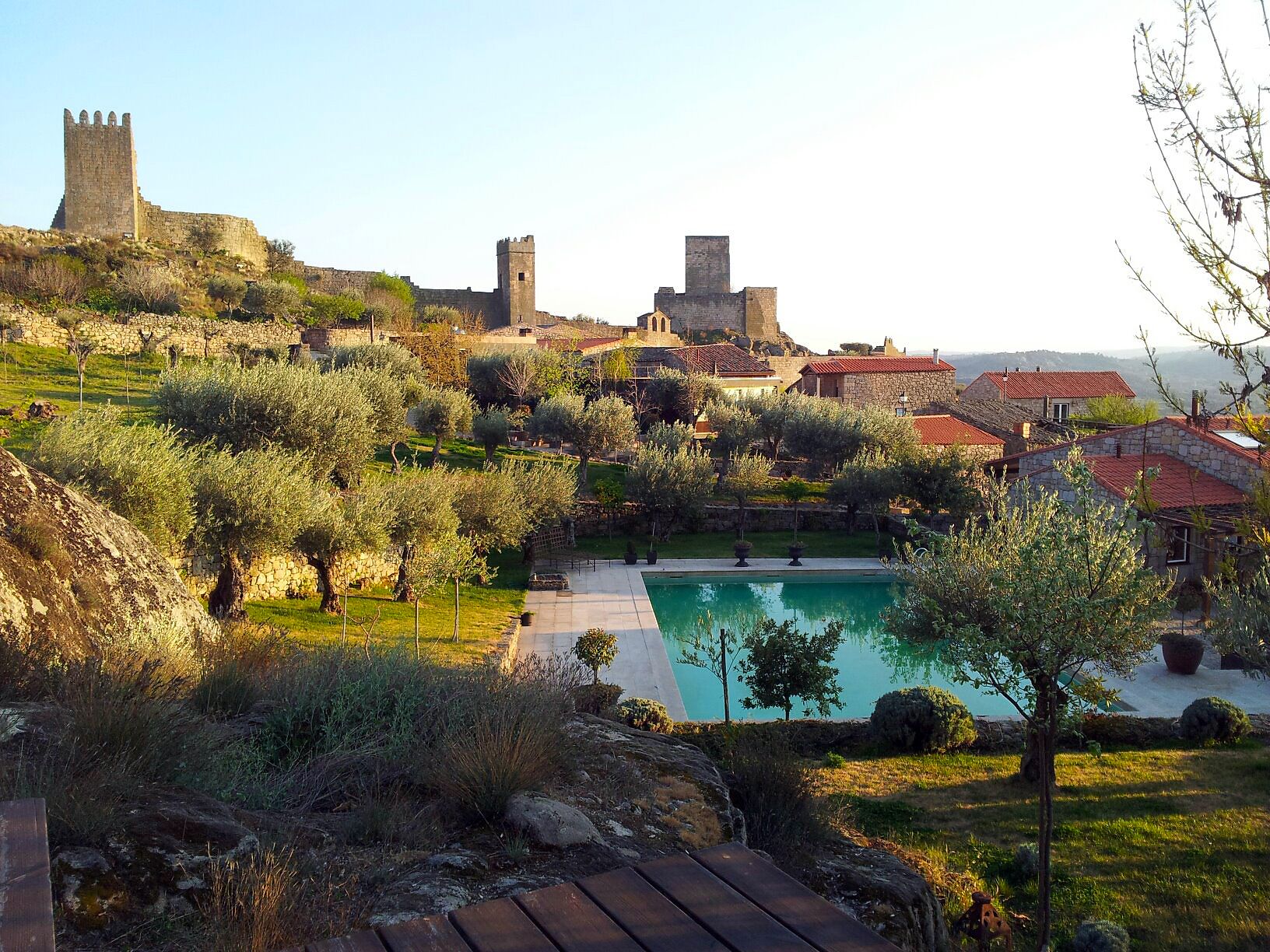

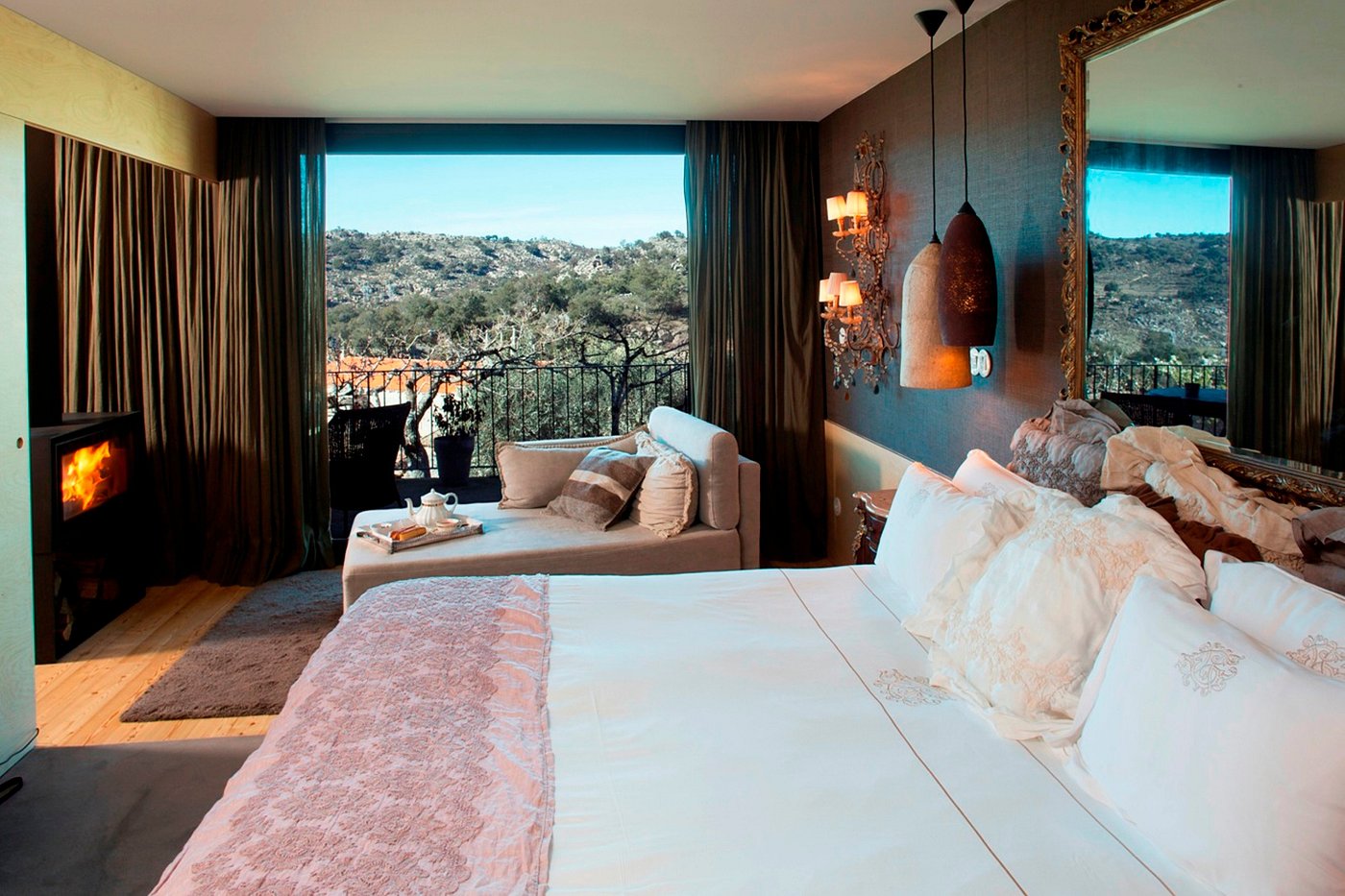
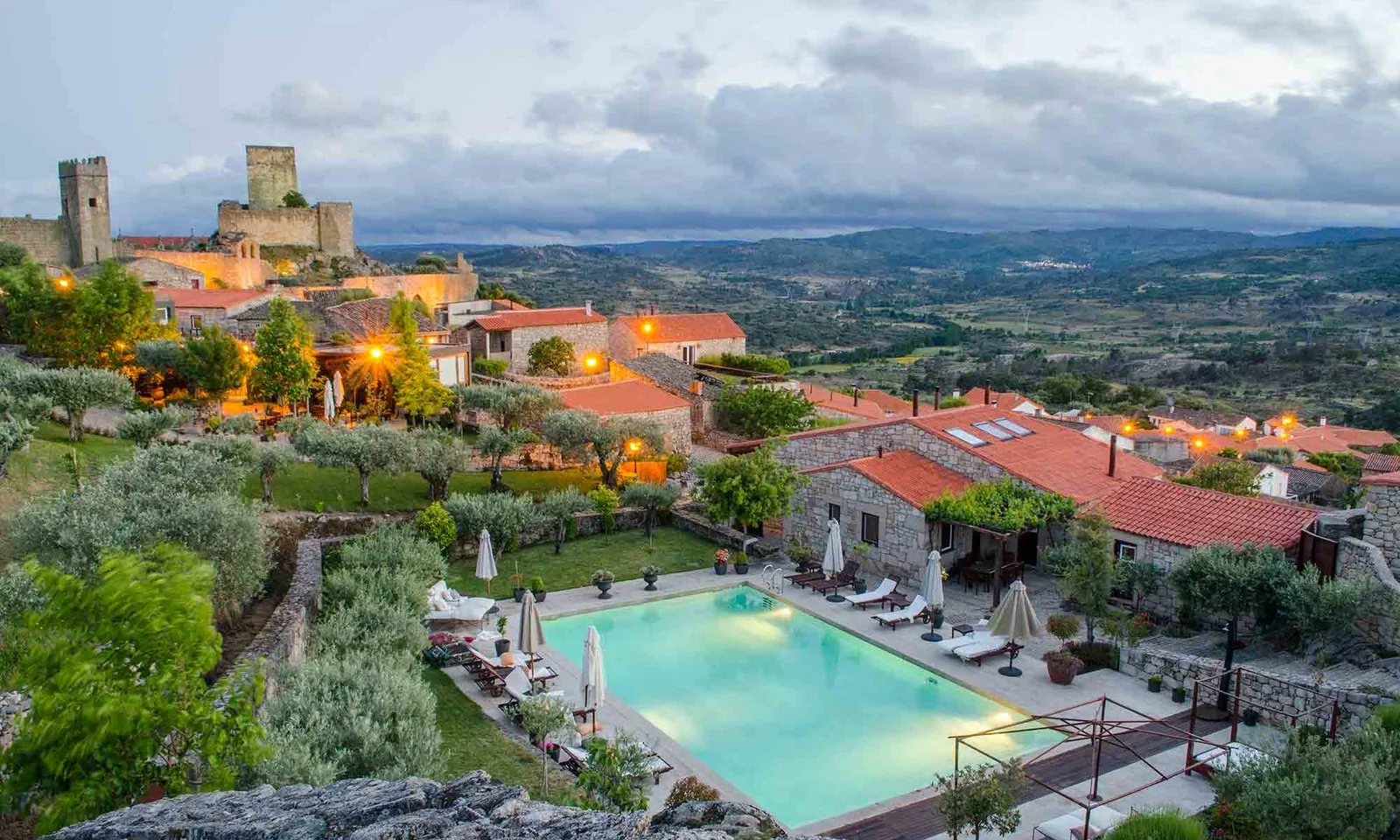
- Casas do Coro / Val de Lapa (Marialva): The Luxury of Silence
Marialva is, arguably, the most cinematic village in Portugal. Within this stage of abandoned castles, Casas do Coro has created a luxury ecosystem that redefines the concept of “wine tourism.”
- Architecture and Vibe: Here, the avant-garde embraces the 12th century. Their winery is an exercise in warm minimalism: clean lines, glass walls that frame the castle ruins, and interior design that could grace the cover of Architectural Digest. It is rustic sophistication in its highest expression.
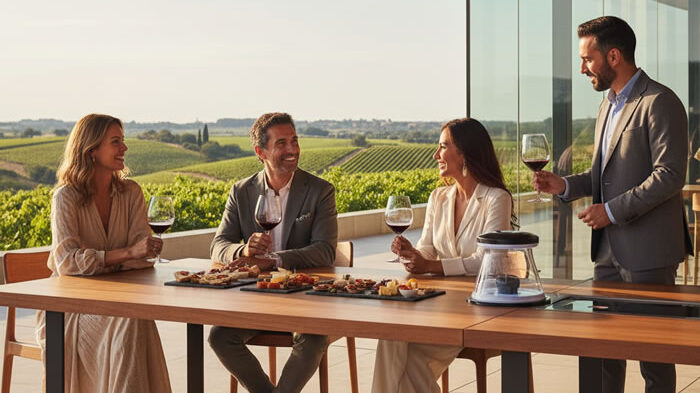
- The Experience: Imagine a sunset tasting on their private terrace, overlooking high-altitude vineyards. The service is choreographic—invisible yet impeccable. The clink of glasses toast blends with the song of the crickets. This isn’t just drinking wine; it’s inhabiting a mental state of absolute privilege.
- The Star Wine: The Síncopa. A white wine that defies the laws of physics. It is electric, with a salinity that transports you to the granite origin of the soil, but with a complexity of ripe white fruit that makes it incredibly gastronomic. It is, quite simply, an epiphany in a bottle.
- The Wow Factor: Their “Eco-Chef Table” among the vines. A private dinner, lit only by candles and the moon of the Beira, where every dish is paired with wines that have not yet hit the market. It is the definition of exclusivity.

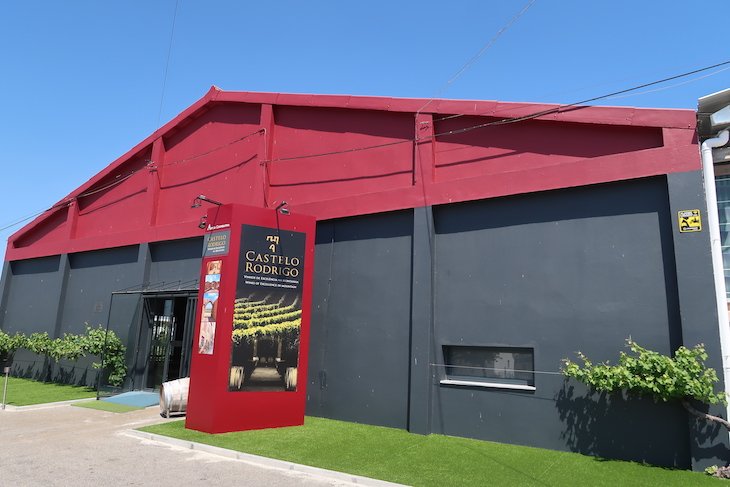
- Adega de Figueira de Castelo Rodrigo: The Nobility of the Frontier
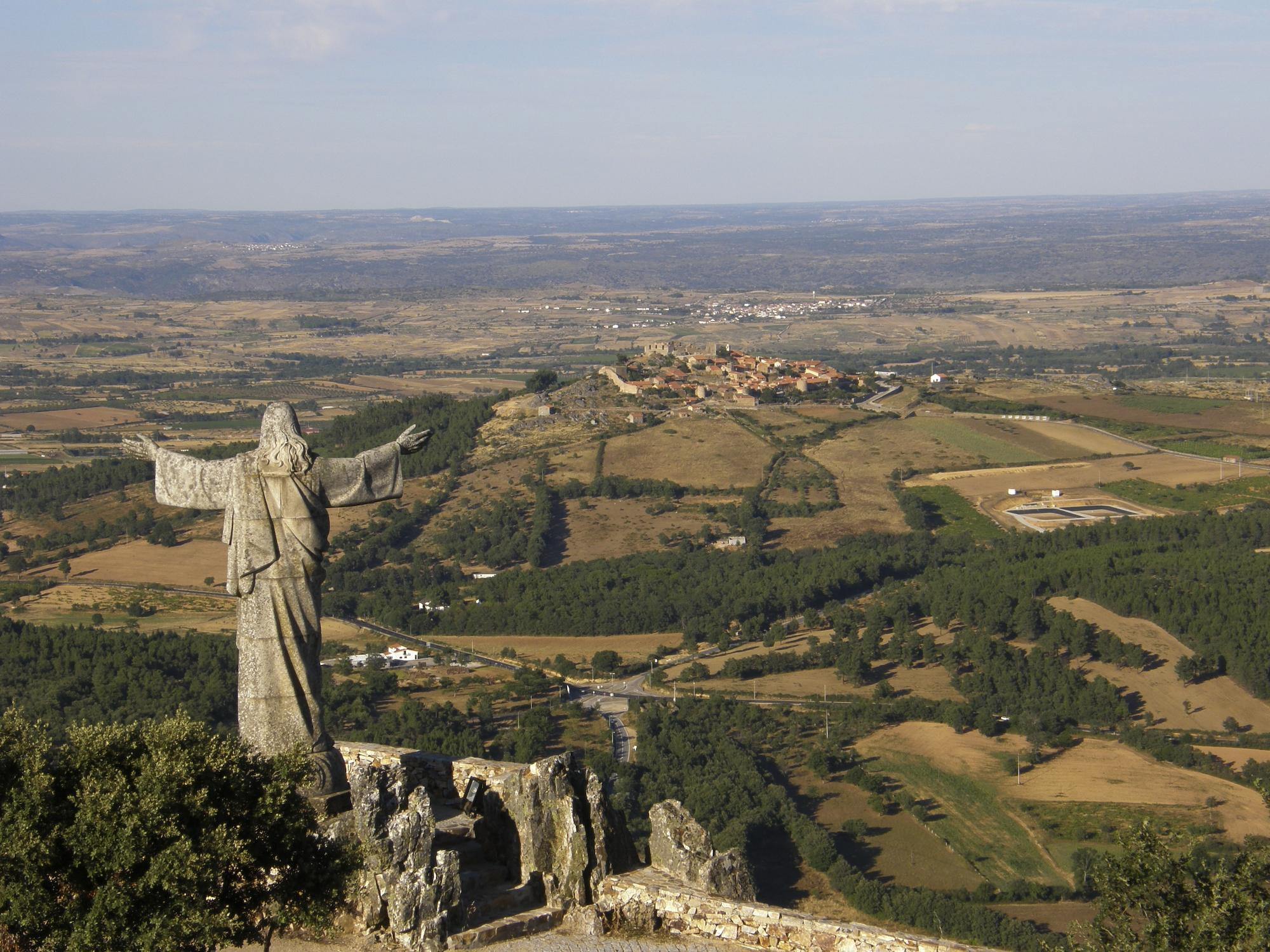
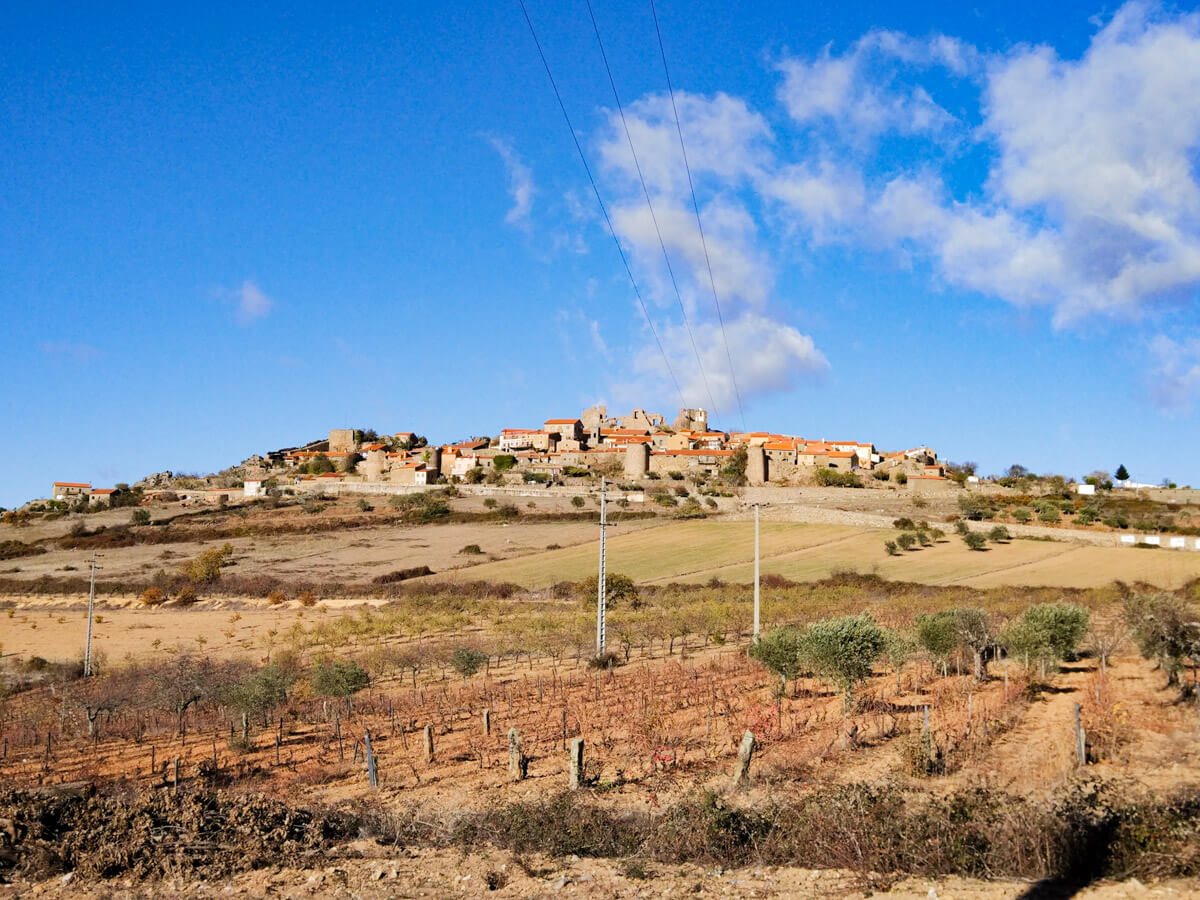
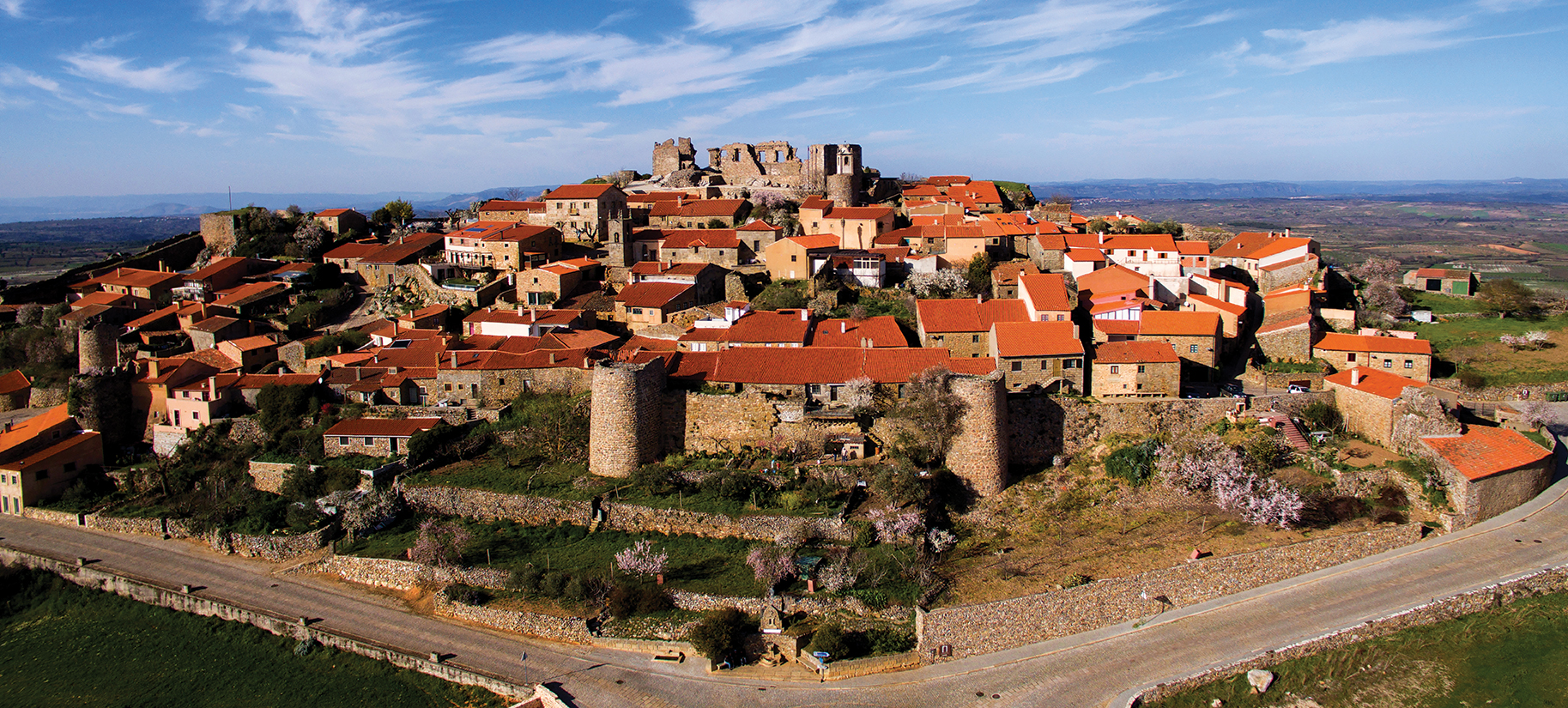
Near the imposing Castelo Rodrigo, this winery represents the pride of a community that has turned adversity into excellence.
- Architecture and Vibe: Situated in an environment that breathes knightly history, the winery feels like a fortress of good taste. Its recent renovation integrated contemporary design elements that pay homage to the nearby Monastery of Santa María de Aguiar.
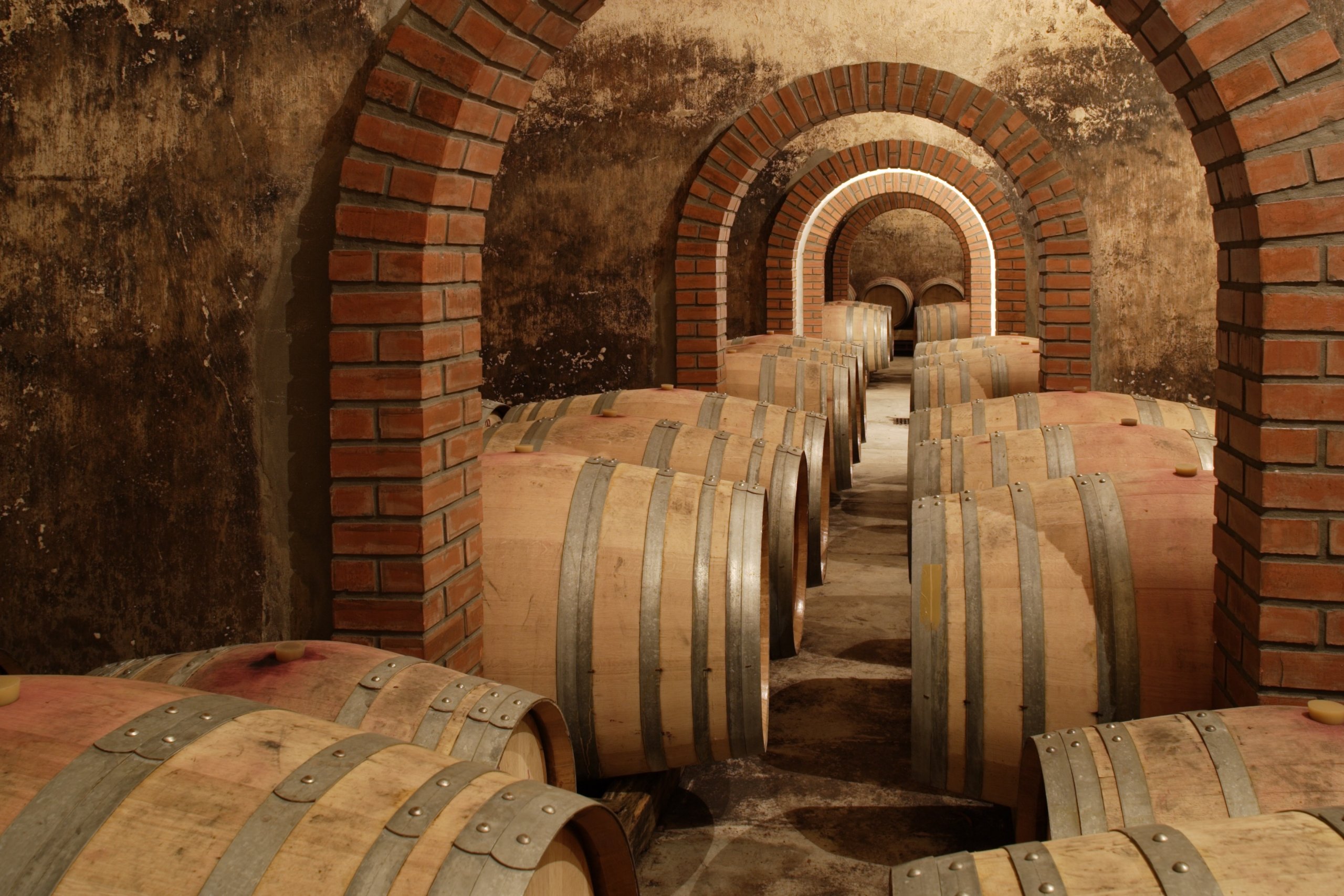
- The Experience: A visit to their underground cellars is mandatory. The drop in temperature, the scent of noble humidity, and the dim light create the perfect stage to understand the patience of wine.
- The Star Wine: Their Espumante Bruto de Siria. Forget Champagne for a moment. This high-altitude sparkling wine, with bubbles as fine as crystal needles and notes of brioche and green apple, is the perfect companion to celebrate life.
The Wow Factor: The possibility of a vertical tasting atop the walls of Castelo Rodrigo, with the sun setting over the Spanish border. It is a moment of absolute power, feeling like the master of two kingdoms while the wine caresses your palate.

Pairing and Gastronomy: A Religious Experience
Eating in the region of the Historical Villages is an act of both contrition and pleasure. Here, the product knows no intermediaries. The Queijo da Serra da Estrela, that sheep’s milk cheese whose creaminess defies gravity, must be eaten with a spoon and paired with a barrel-aged white to create a harmony that borders on the mystical.
You cannot leave without trying the Borrego (lamb) roasted in a wood-fired oven, whose meat falls apart at the touch of a fork, demanding a red wine with great structure and firm tannins, like a Beira Reserva. And for moments of daring, the local olive oil—green and spicy—served simply with artisanal rye bread, is a reminder that perfection is often painfully simple.
VIP Survival Guide: Logistics for the Connoisseur
For those who believe time is their most valuable asset, this route demands a precision approach:
- Transport: Forget driving yourself if you plan to enjoy the tastings. Hire a private chauffeur service in a luxury SUV; the mountain roads are beautiful but demanding. For the truly bold, a helicopter transfer from Porto offers an aerial view of the Coâ valleys that will take your breath away.
- Accommodation: Make Casas do Coro your base of operations. Ask for the suite with castle views. The disconnection is total.
- Timing: Spring (almond blossom season) and Autumn (the harvest) are the golden seasons. Avoid mass tourism and ensure your winery visits are private and booked well in advance.
- Dress Code: Country chic. Quality leather boots for walking the vineyards, but an elegant change for gala dinners.
The Historical Villages of Portugal are not a destination; they are a secret shared in hushed tones among friends who appreciate a good story and an unrepeatable bottle. The heart of Portuguese silence is waiting for you. Do you have the courage to listen to it?