The Symphony of Silence: A Cinematic Introduction
Dawn in Serra da Estrela is not merely the start of a day; it is a liturgical event. Imagine for a moment that the world has not yet finished waking up. A thick, almost tactile mist clings to the granite slopes like a lover resisting a final farewell. The air possesses a frigid edge, a purity that sears the lungs with an almost electric clarity. But then, the sun crests over the “Torre”—the highest point of mainland Portugal—and light spills like molten gold across the Dão valleys and the high plateaus of Beira Interior.
It is in this precise instant that you understand why you are here. It is not for the geographical statistics, but for the scent. After a nocturnal rain, the earth exhales an intoxicating perfume of rockrose, pine, and that metallic, mineral note of wet granite that we sommeliers chase with almost pathological devotion. Beneath that shroud of mist, on terraces that defy gravity, rest the vines of Touriga Nacional, the undisputed queen, whose berries guard the secret of an elegance that the rest of the world is only just beginning to decipher.
This is not a route for the mass tourist seeking the clamor of Algarve beaches or the mandatory selfie in Porto’s Ribeira. This is the Mecca for the intellectual hedonist. It is a place where luxury is not measured in gold-plated faucets, but in the absolute silence of a cellar carved into the rock, in the vibration of a crystal glass holding a nectar born from the struggle between plant and stone. Here, the promise is simple yet devastating: a glass of wine that tastes not just of fruit, but of history, of resilience, and of the ambition to touch the sky.
Welcome to the roof of Portugal. Take your glass, leave behind the cynicism of the 21st century, and prepare for a sensory ascension where the only permitted oxygen is the bouquet of a wine with a mountain soul.
Soul in the Stone: Context and Terroir
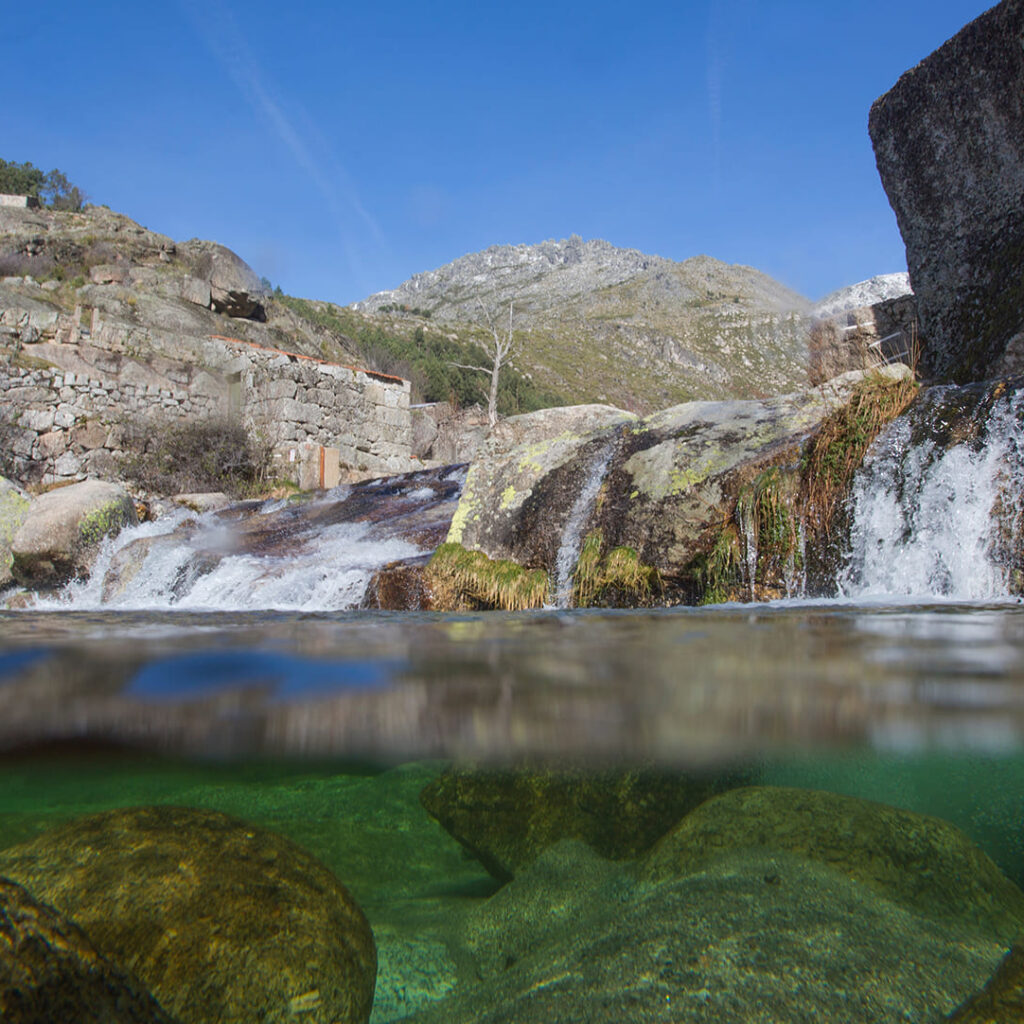
To understand the wine of Serra da Estrela, one must understand its geological architecture. If the Serra were a character in an Eça de Queiróz novel, it would be an aristocrat of old lineage: austere on the outside, but possessing an internal emotional complexity that disarms anyone.
The terroir here is dominated by granite. It is not a generous land; it is a land that demands. The roots of the vines must pierce the bedrock, seeking water and nutrients in the deepest fissures, which grants the wines a backbone of acidity and minerality that is, quite simply, aristocratic. To this, we add the altitude. We are talking about vineyards that breathe a different air, where the thermal amplitude—blistering days that concentrate sugars and frigid nights that preserve freshness—is the most dramatic in the Iberian Peninsula.
Touriga Nacional is the absolute protagonist of this drama. In other regions, this grape can be opulent and loud; here, in the foothills of the Serra, it becomes introspective. It develops notes of wilted violets, bergamota, and a tannic structure that feels like wild silk. But it is not alone. It is accompanied by Alfrocheiro, which brings an almost lecherous juiciness, and Jaen (Portuguese Mencía), which adds a layer of red fruits and spice. Among the whites, Encruzado reigns with an aging capacity that ridicules many Burgundies, evolving into notes of resin and dried fruits with staggering nobility.
The climate is the necessary antagonist. Winters of snow that force the vine into absolute lethargy and summers where the sun punishes with a white, blinding light. This contrast does not produce “easy” wines; it produces wines with tension, wines that demand time in the glass and a disposition of the soul to be understood. It is the triumph of elegance over brute force.

Cathedrals of Taste: The Star Route Wineries
- Casa da Ínsua: The Refuge of the Enlightened Aristocrat
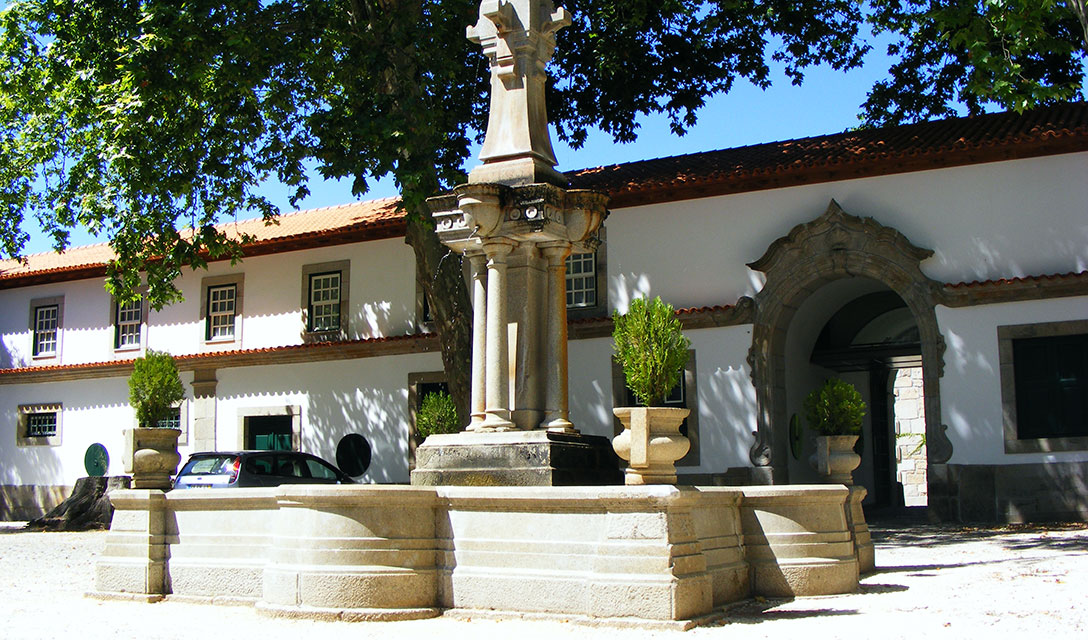
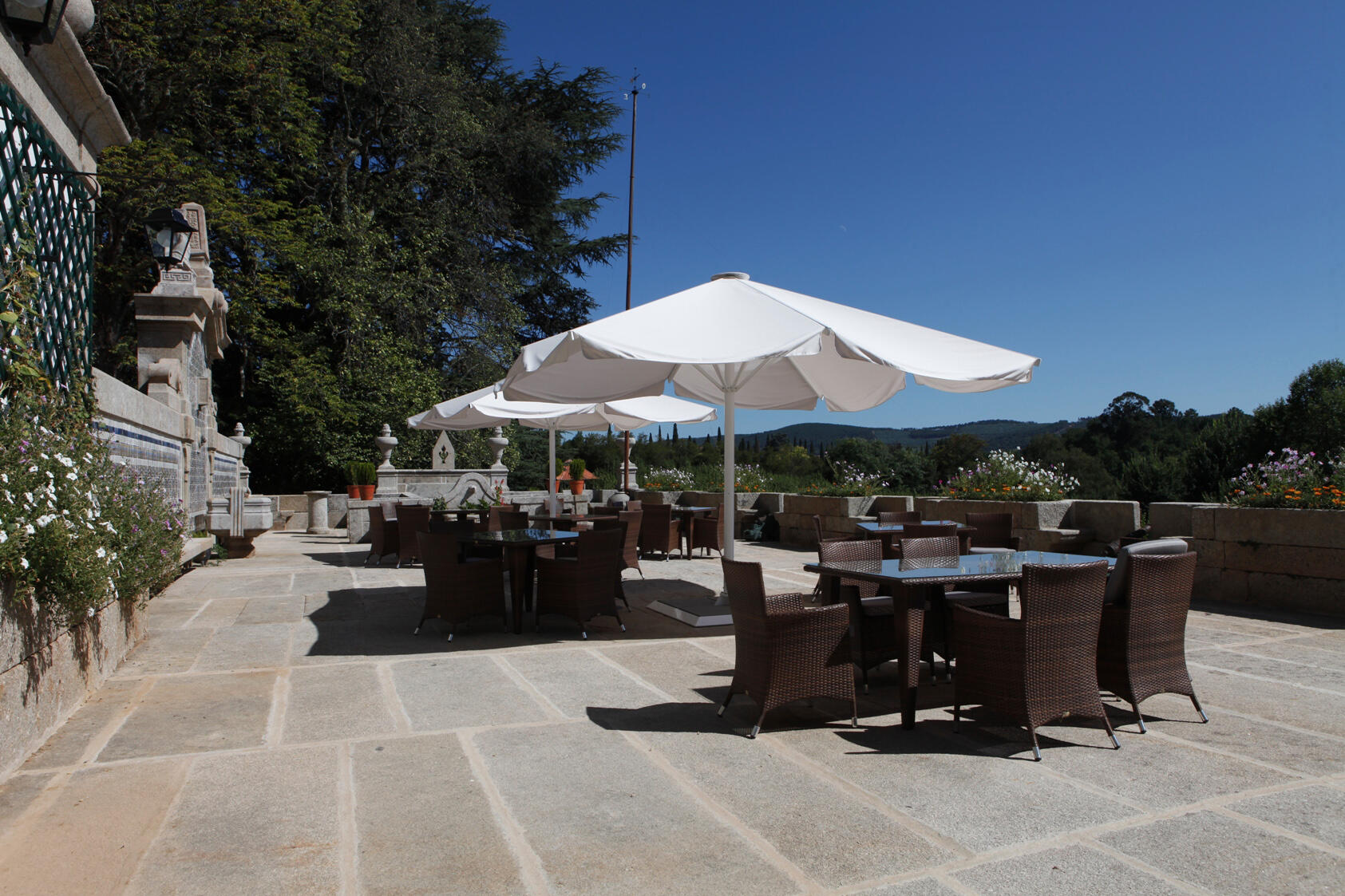
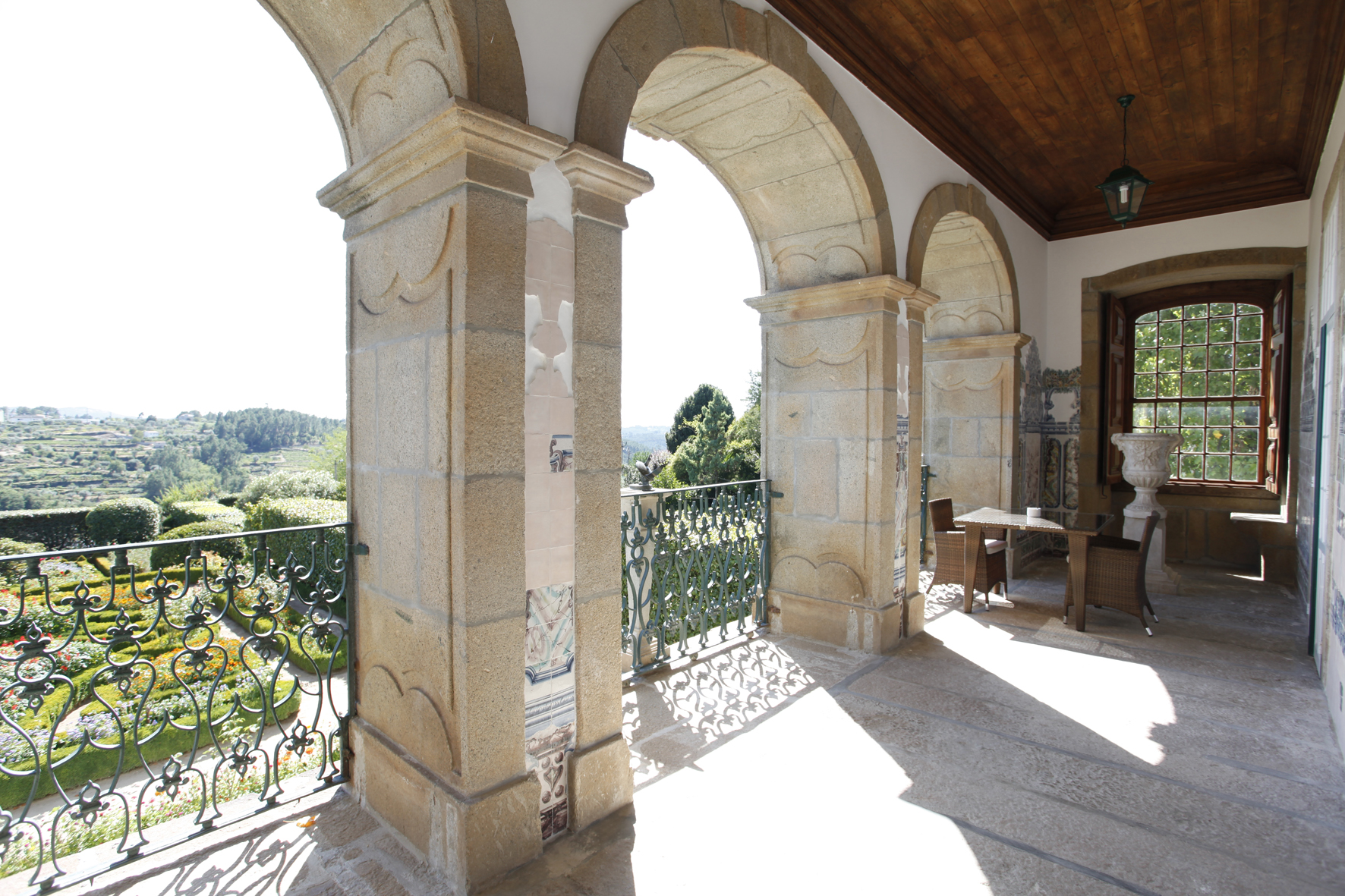
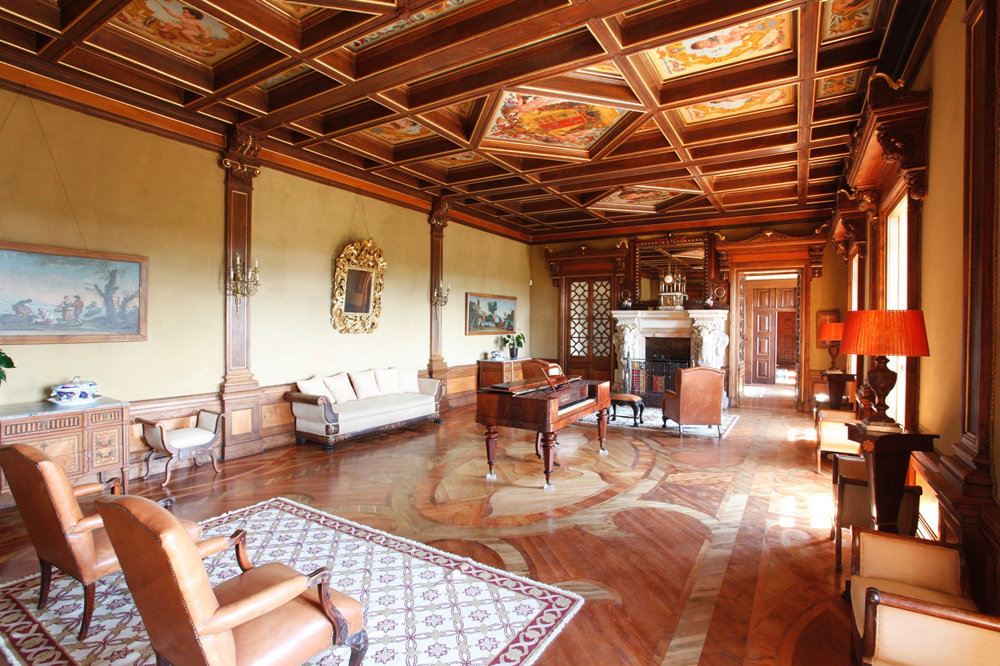
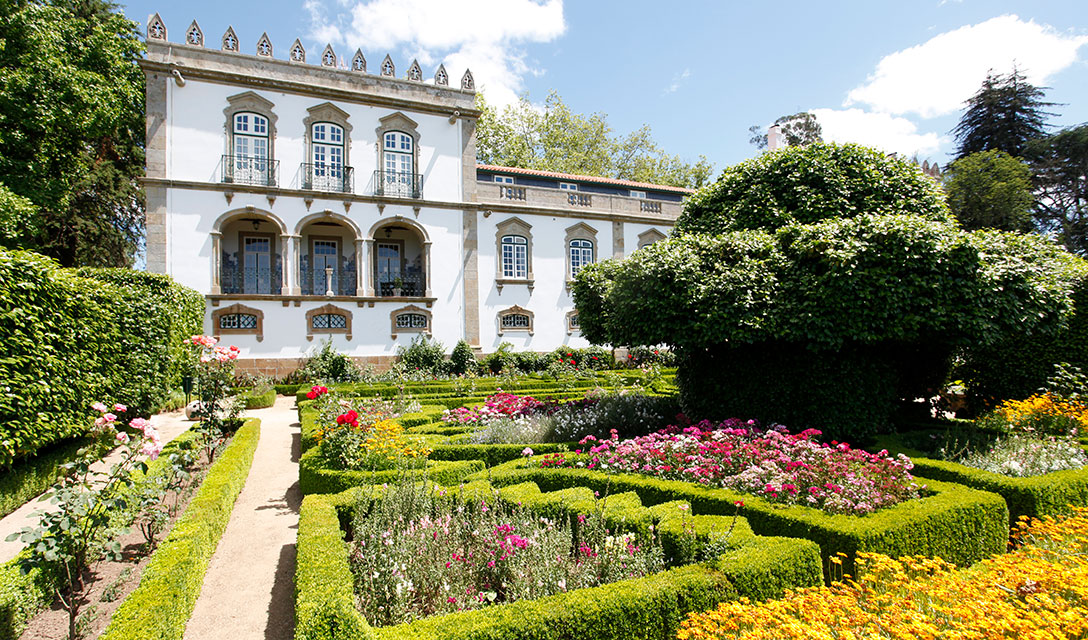
Architecture and Vibe: Arriving at Casa da Ínsua, in Penalva do Castelo, is like crossing a temporal portal into the 18th century. This Baroque solar is not a winery that decided to be a hotel; it is a living palace that breathes wine. Its French gardens, featuring century-old camellias and hedges pruned with surgical precision, contrast with the robustness of its stone walls. The vibe is one of decadent but perfectly maintained elegance, where luxury feels inherited rather than purchased.
The Wine Tourism Experience: Forget guided tours led by summer students. Here, the premium experience begins with a stroll through historical archives before descending into the original cellar. The sound of your footsteps on the stone floor echoes as you approach the ancient granite lagares (treading tanks). The pinnacle occurs in the private tasting room, surrounded by winemaking tools that belong in a museum. The uncorking here is not a noise; it is a ceremony. The sommelier, wearing silk gloves, pours the wine while the aroma of old wood and young wine mingles in the stagnant cellar air.
The Star Wine: Casa da Ínsua Reserva Red (Vertical Tasting) If velvet had a flavor, this would be it. In its youth, it is a display of black fruits and white pepper. However, in a vertical tasting, we discover that after ten years, the wine develops notes of cigar boxes, graphite, and a forest-floor finish that transports you directly to the Serra’s woods after a rainfall. It is “liquid velvet” with a finish so long it allows you to reconsider all your life choices.
The Wow Factor: The “Wine of the Camellias.” Casa da Ínsua holds one of the most significant camellia collections in Europe. They have managed to create an experience where wine tasting is paired with the fragrances of these flowers in a secret garden to which only VIP guests have access. It is a synesthesia of perfume and palate that you will not find anywhere else on the planet.


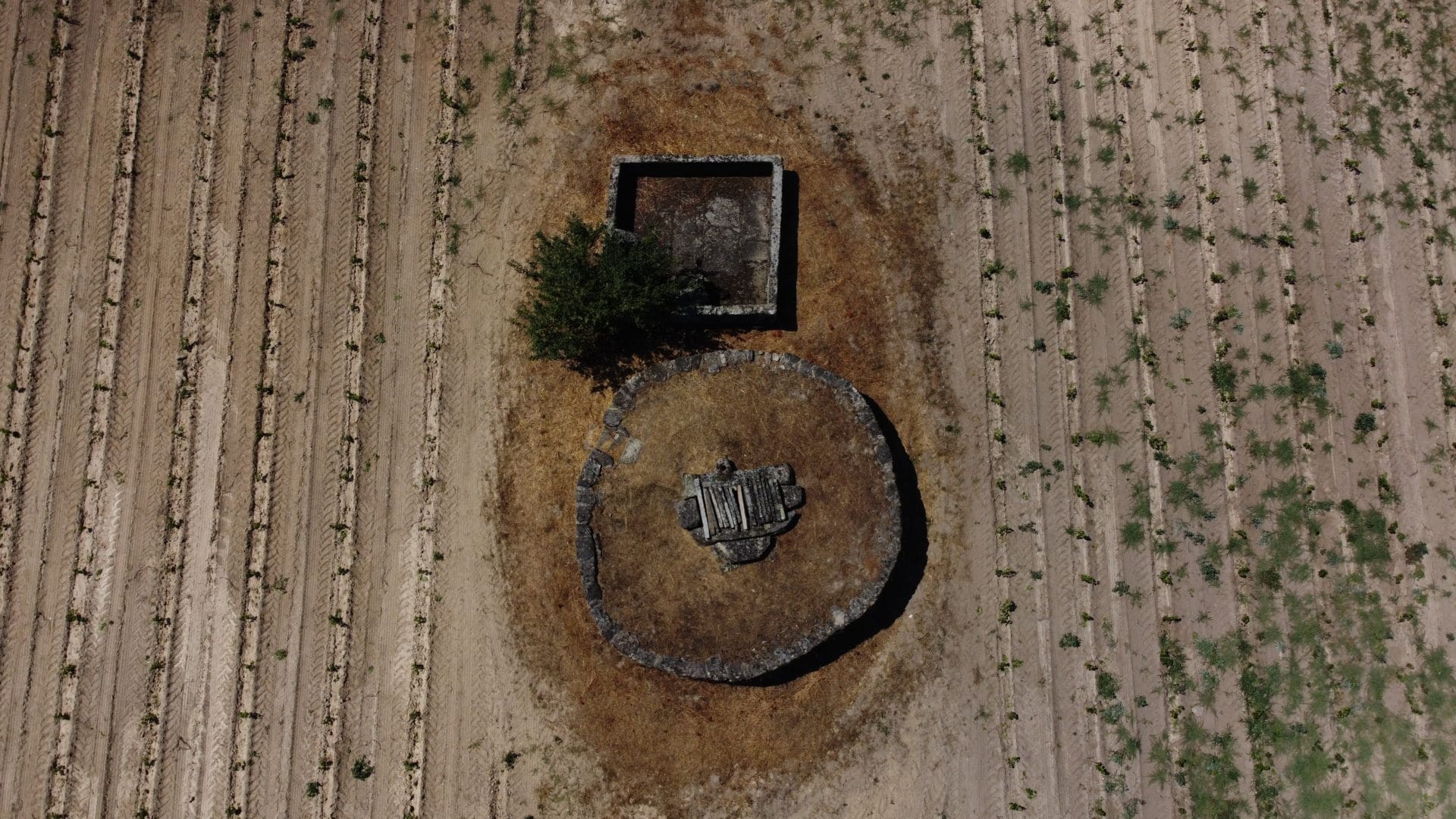
- Quinta dos Carvalhais: The Vanguard of Elegance
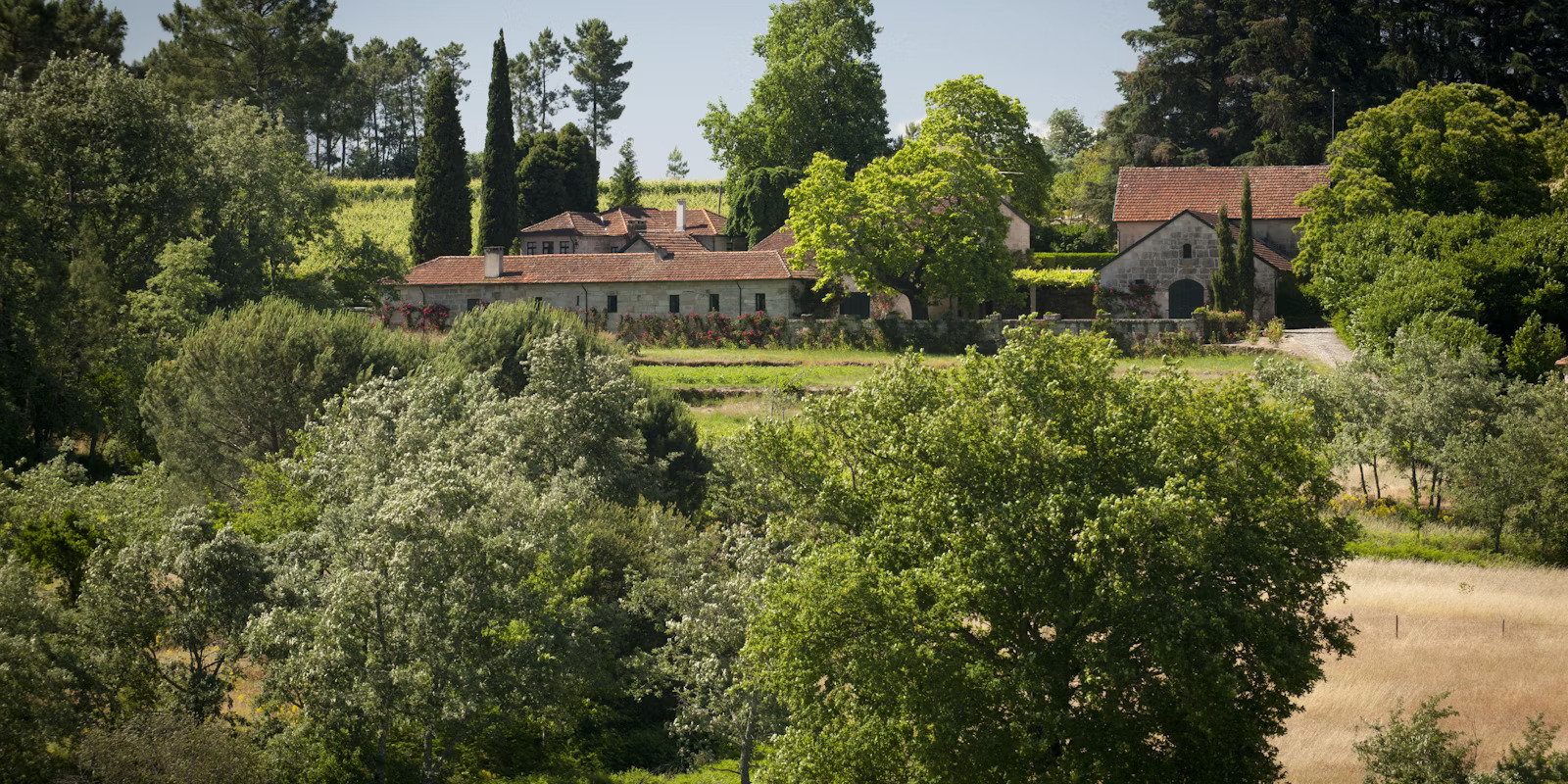
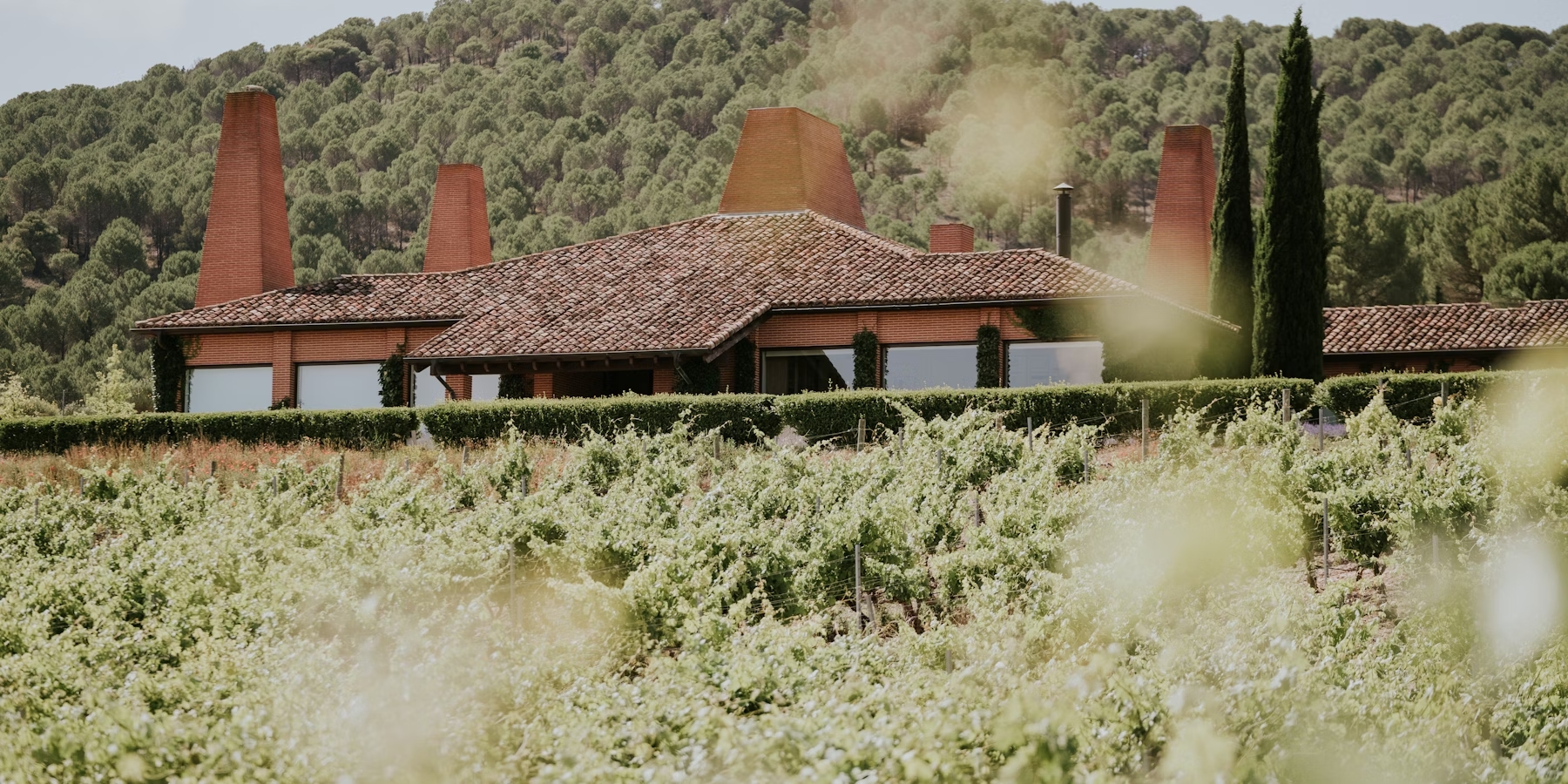
Architecture and Vibe: If Casa da Ínsua is the glorious past, Quinta dos Carvalhais is the visionary future. Owned by the giant Sogrape, this estate is the laboratory from which the most sophisticated wines of the modern Dão emerge. Its architecture is functional, clean, almost minimalist, perfectly integrated into a landscape of 105 hectares of vineyards. The vibe is “quiet luxury”: here, the spotlight is on technique and absolute respect for the plant.
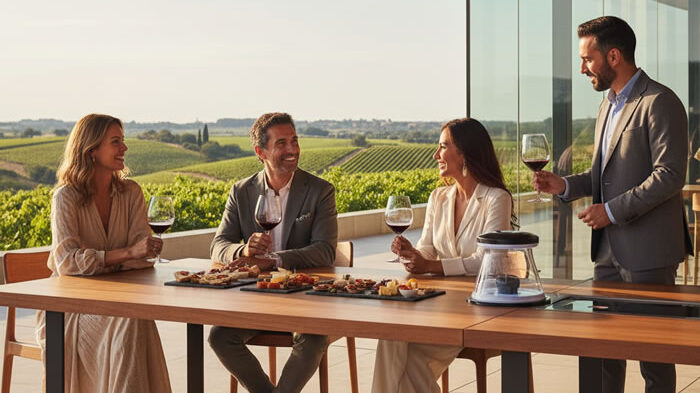
The Wine Tourism Experience: This is a masterclass in precision. The luxury experience here consists of a 4×4 tour through different plots to understand how the soil changes meter by meter. Afterward, you enter the French oak barrel room, where temperature and humidity are controlled with monastic rigor. The tasting is not held at a common table, but on a terrace cantilevered over the vineyards, where the horizon is the bluish silhouette of the Serra da Estrela.
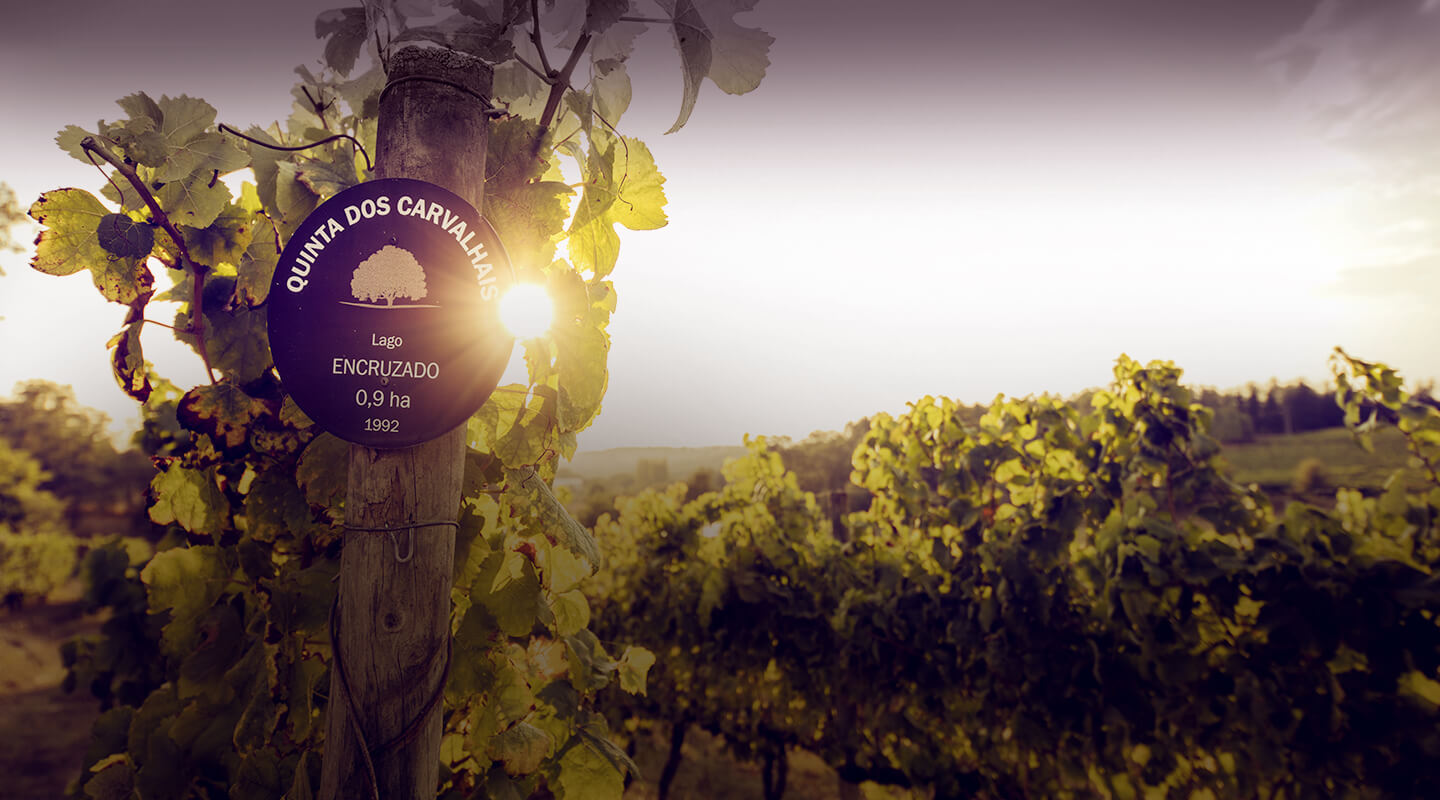
The Star Wine: Único de Quinta dos Carvalhais The name is not marketing; it is a warning. It is only produced in exceptional years. It is a monovarietal Touriga Nacional that redefines the variety. Upon tasting, you notice an explosion of bergamota and violets, but what truly impacts is its structure. It is an “athletic” wine: powerful but without a gram of fat. It is like drinking a piece of polished marble; cold, elegant, and eternal.
The Wow Factor: The opportunity to engage in a “Blending Workshop” with winemaker Beatriz Cabral de Almeida (schedule permitting). Creating your own blend under the supervision of one of the most brilliant minds in Portugal is an experience that transcends simple consumption; it is entering the mind of the creator.


- Madre de Água: The Idyl Between the Vine and the Sheep
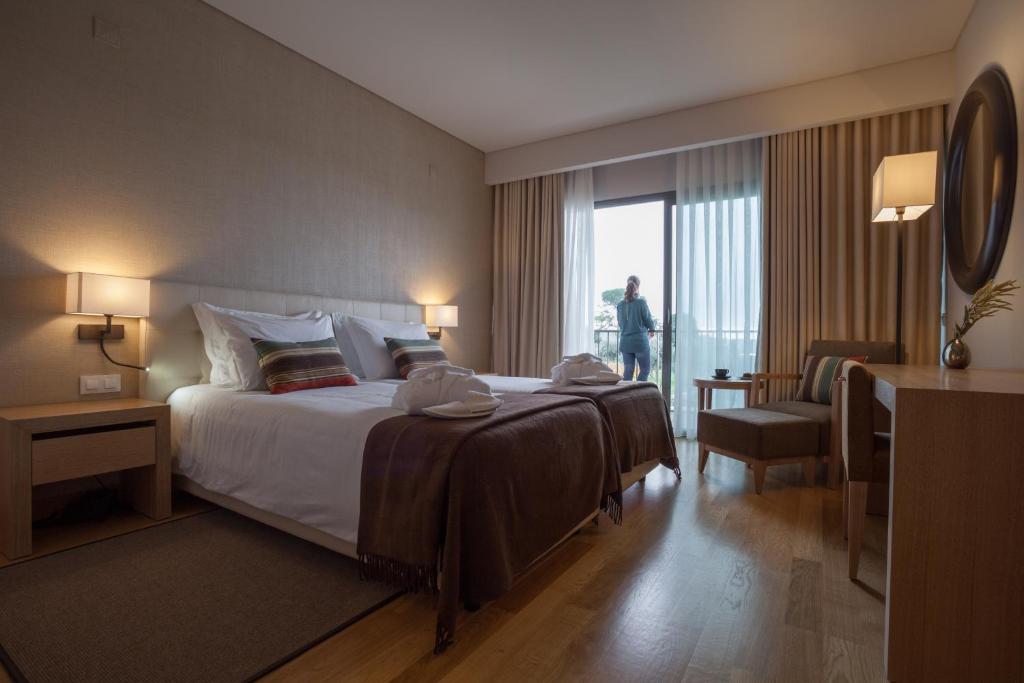
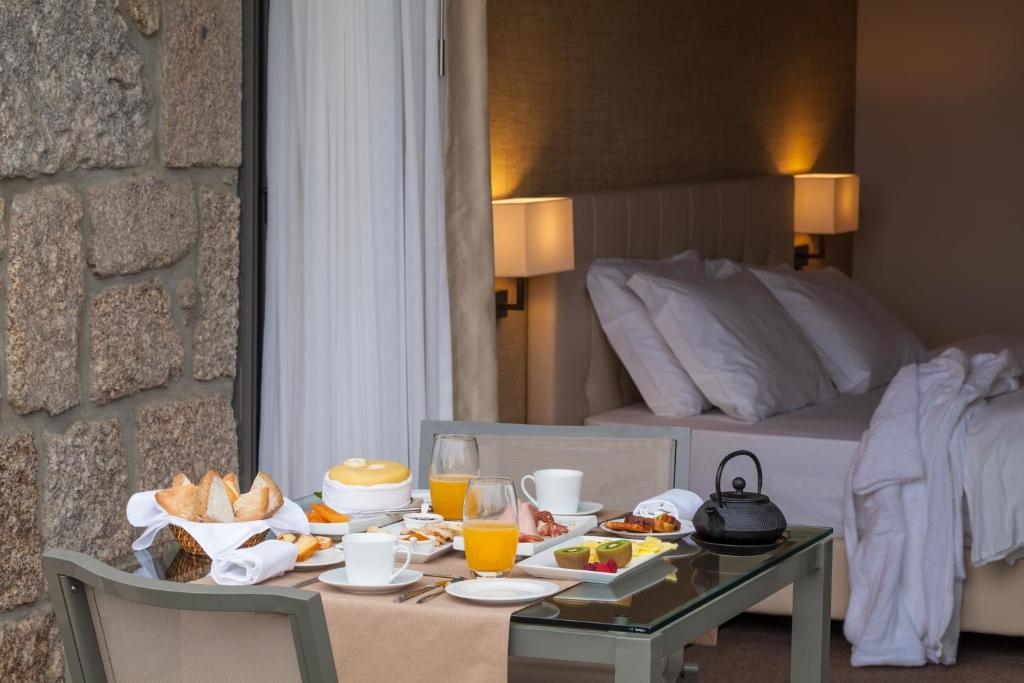
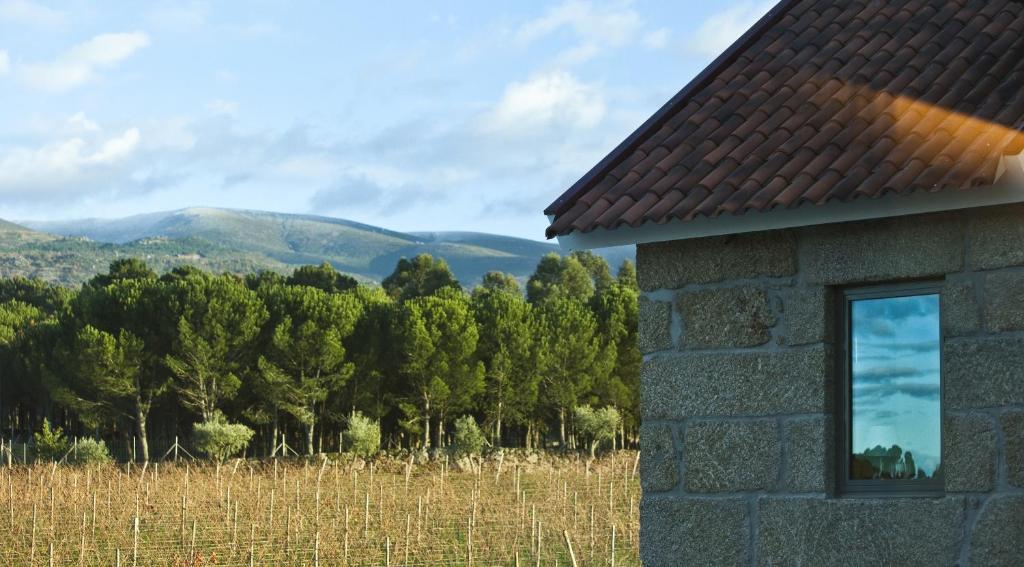
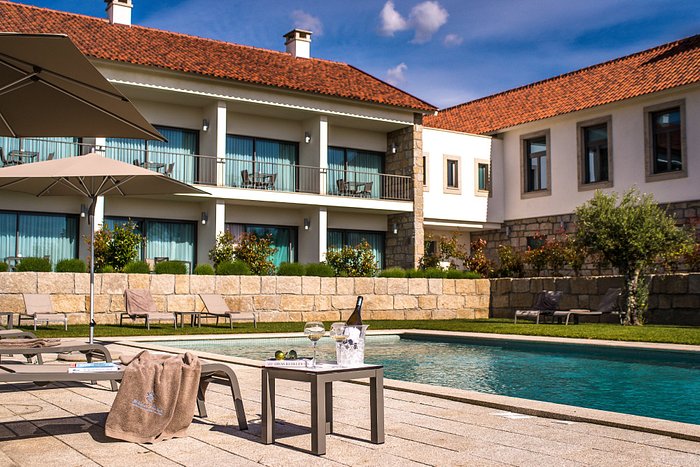
Architecture and Vibe: Located in Gouveia, in the very foothills of the mountain, Madre de Água is an ode to rural life elevated to an art form. The hotel and winery feature a contemporary design in stone and wood that seems to emerge from the earth itself. It is cozy, sophisticated, and profoundly authentic. Here, luxury is waking up to the sound of bells from the Bordaleira sheep.
The Wine Tourism Experience: This is the most “living” experience. It includes a visit to the onsite creamery—where the best cheese in the Serra is produced—before moving to the winery. The tasting takes place in a room with panoramic views where the altitude is palpable. It is the only place where you can physically feel how the mountain climate influences the wine. The touch of the barrels here feels different; there is a brutal honesty in every corner.
The Star Wine: Madre de Água Encruzado White A white wine that defies the laws of physics. It has the creaminess of a high-end Chardonnay but with an electric acidity that cleans the palate like a lightning bolt. Notes of candied lemon, wet stone, and a touch of the finest vanilla. It is a wine that tastes like “dawn on the summit.”
The Wow Factor: The Luxury Shepherds’ Dinner. A long table set in the middle of the vineyard, under a starry sky that only the Serra’s altitude allows you to see with such clarity. Dishes are cooked over an open fire, paired with their best reserves, while a local shepherd narrates stories of transhumance. It is pure mysticism.
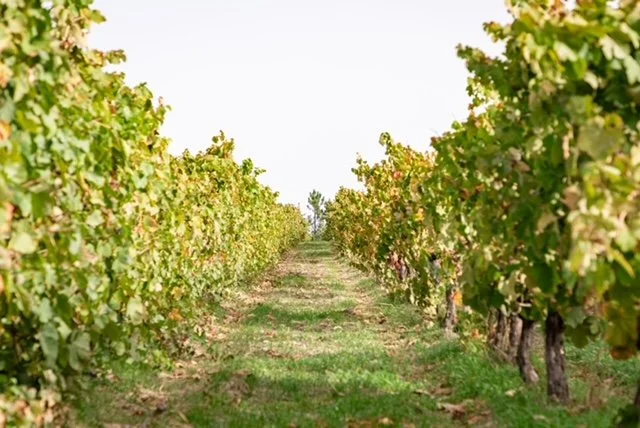
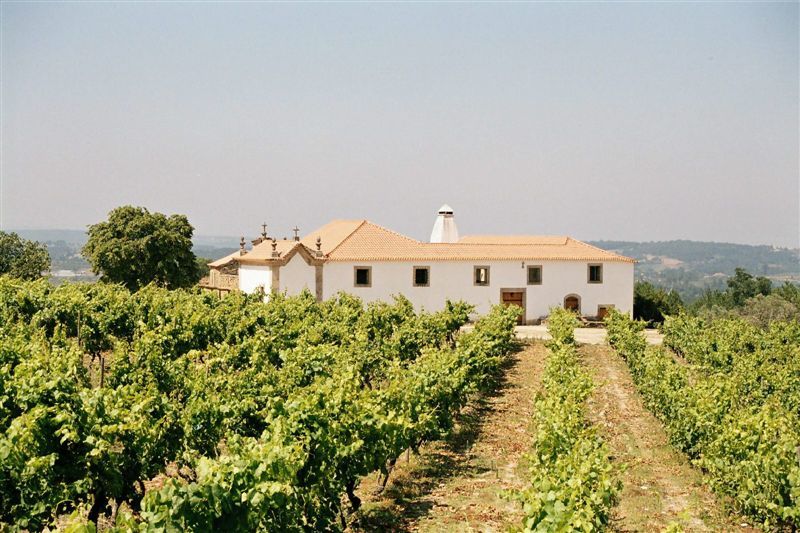
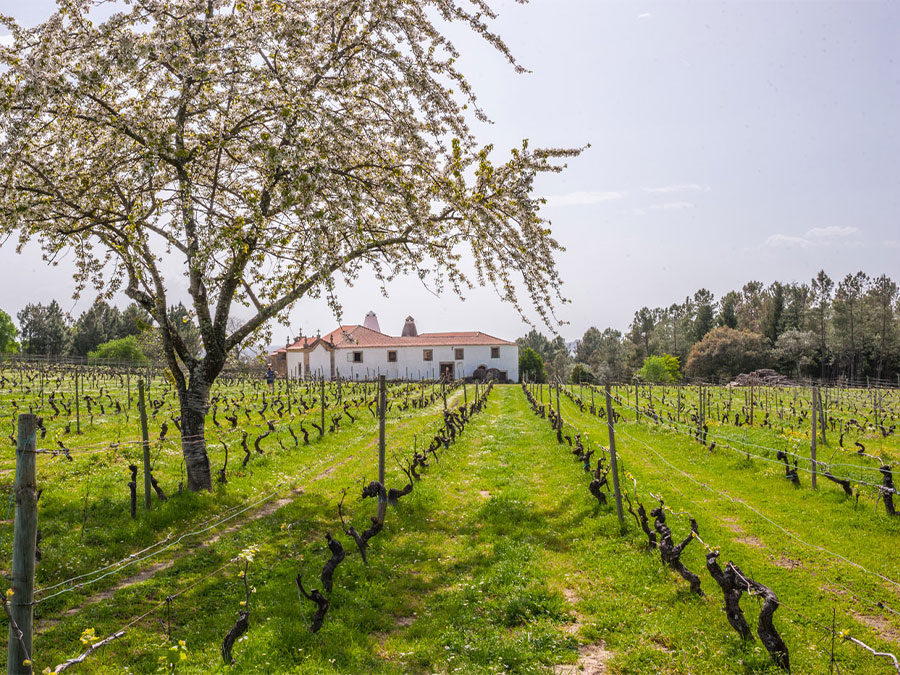
- Quinta da Pellada: The Cult of Terroir
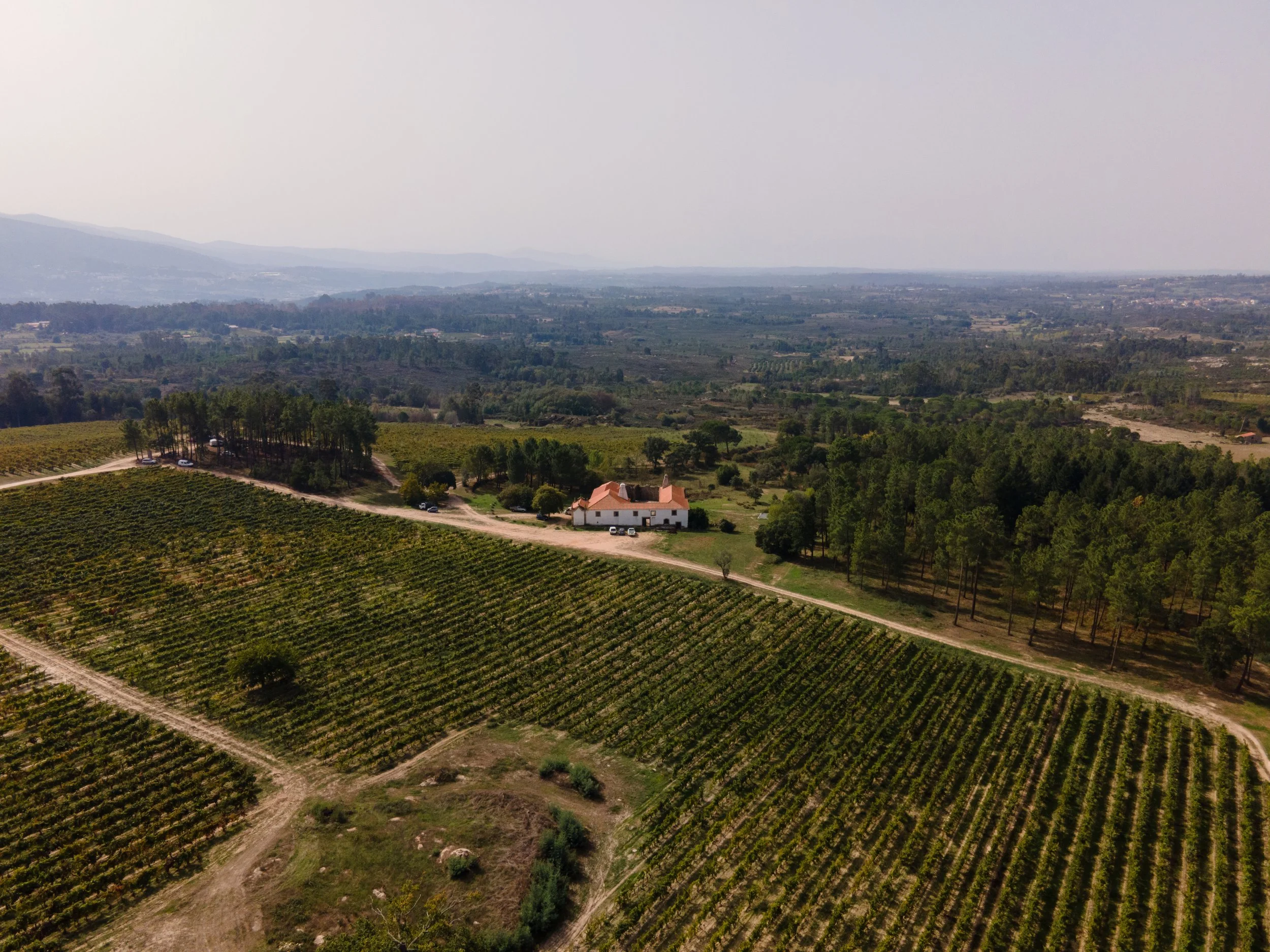
Architecture and Vibe: For the true connoisseur, this is the final destination. Quinta da Pellada, led by the legendary Álvaro Castro, is not a display of marble and glass. It is a 16th-century manor house that oozes authenticity. The vibe is intellectual, bohemian, and deeply respectful of tradition. It is the winery of an alchemist.
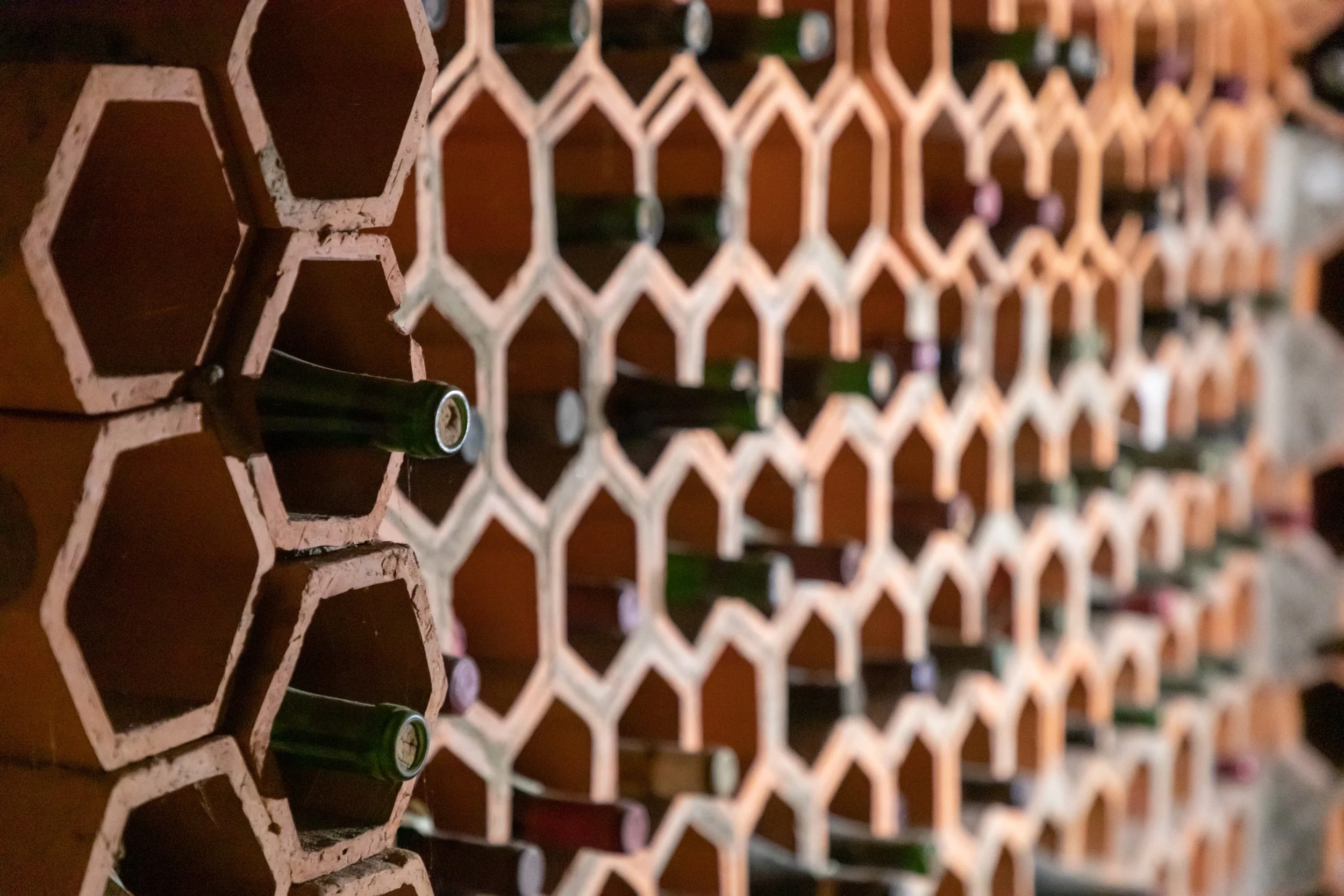
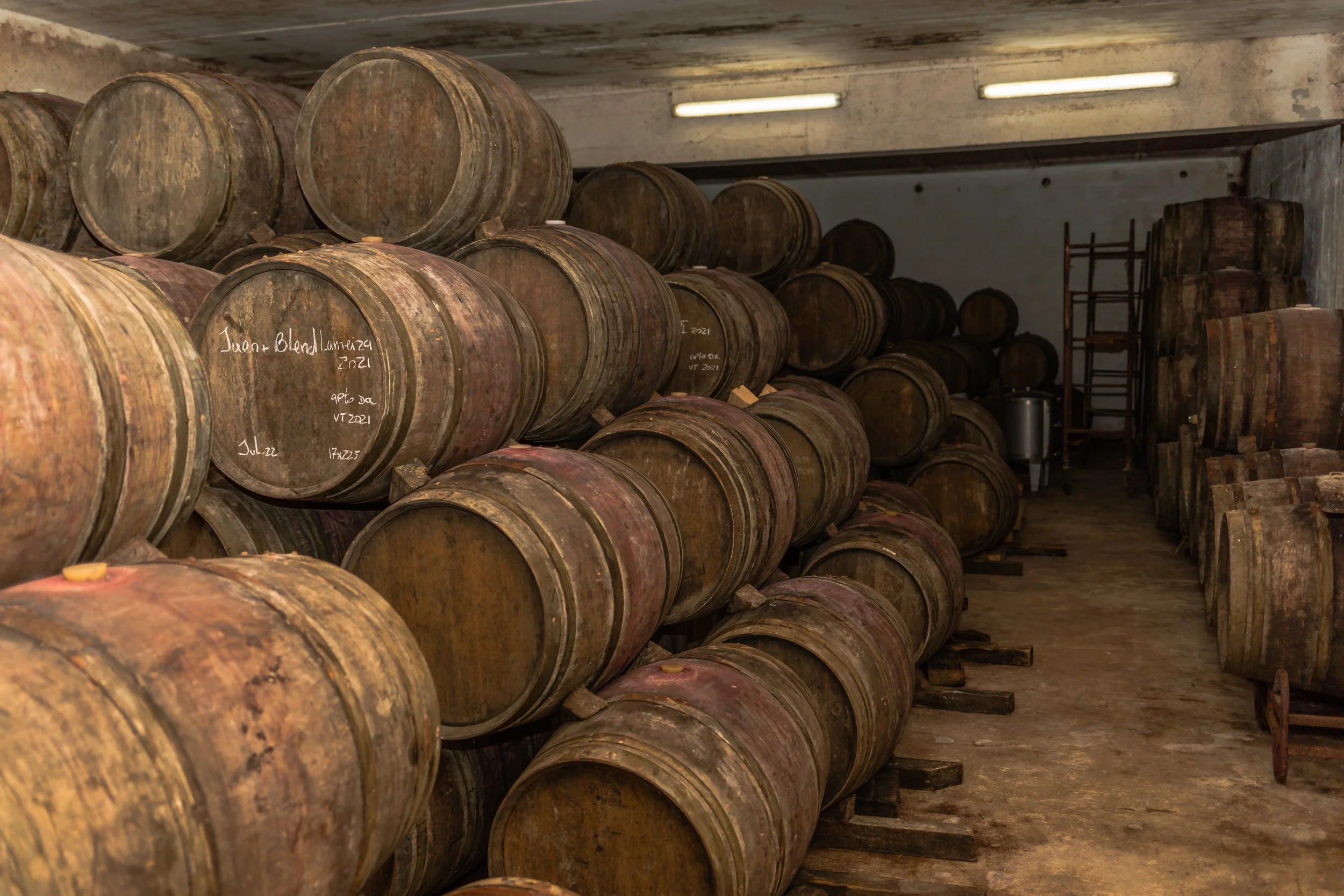
The Wine Tourism Experience: Do not expect PowerPoint presentations. Here, the experience is a conversation walking among old vines, some over 100 years old, where more than 30 different varieties coexist. The descent into the underground cellars is an almost religious experience; the smell of noble rot and aged wine is intoxicating. The uncorking here sounds like recovered history.
The Star Wine: Quinta da Pellada “Pape” A cult wine. It is a field blend of old vines that produces a complexity that makes one dizzy. Notes of blood, iron, tart red fruits, and an elegance that many compare to the great reds of the Northern Rhône. It is a wine with a “soul of graphite” that requires silence to be appreciated.
The Wow Factor: Access to Álvaro Castro’s personal wine library. If you manage to connect with his vision of the world, you might end up tasting a vintage from the 1980s that will change your perception of Portuguese wine forever. It is the luxury of shared knowledge.

Pairing and Local Gastronomy: A Communion of Flavors
Eating in Serra da Estrela is a religious experience, and like every religion, it has its sacraments. The first and most sacred is the Queijo da Serra da Estrela (DOP). It is not just a cheese; it is a sheep’s milk cream, curdled with thistle flower, that must be eaten with a spoon. Pairing it with a barrel-aged Encruzado white is the closest you will get to Nirvana in this life. The fat of the cheese and the acidity of the wine perform a perfect tango on the palate.
Then there is the Borrego (lamb) of the Serra, slow-roasted in wood-fired ovens until the meat falls off the bone with a sigh. Here, the mandatory pairing is a high-altitude Touriga Nacional red. The wine’s tannins cut through the richness of the meat, while the floral notes enhance the aromatic herbs of the roast.
We cannot forget the Pão de Centeio (rye bread), dense and dark, perfect for cleaning the plate, or local charcuterie like chouriço and farinheira, which demand wines with structure and nerve. For dessert, morcelas doces (sweet blood sausages) challenge even the most experienced palate, crying out for a regional fortified wine. Every bite in this region is a tribute to survival and pleasure.
VIP Survival Guide: Logistics for the Elegant
For those seeking total exclusivity, Serra da Estrela requires meticulous planning.
- Transportation: Forget conventional roads in a standard rental car. The ideal is to hire a private chauffeur service in a luxury SUV or, for a truly epic entrance, arrive by helicopter from Porto or Lisbon directly to the helipads of Casa da Ínsua or Madre de Água. Aerial views of the vineyard terraces are cinematic.
- Accommodation: Alternate between the palatial history of Casa da Ínsua and the contemporary design of Casa das Penhas Douradas, a boutique hotel at 1,500 meters altitude that utilizes “Burel” (local wool fabric) as a luxury element.
- Season: Autumn (September-October) is harvest season and offers a spectacle of ochre colors. However, winter, with roaring fireplaces and vineyards under snow, has a romanticism that money can hardly buy.
- Access: Visits to Quinta da Pellada and private tastings with winemakers must be booked at least three months in advance. This is a world of closed doors that only open for those who demonstrate a true passion for wine.
Serra da Estrela is not a destination; it is a state of mind. It is the place where you realize that true luxury is not possessing, but feeling the profound connection between the land, man, and that drop of glory shining at the bottom of your glass.