A Giant Awakens: A Cinematic Overture
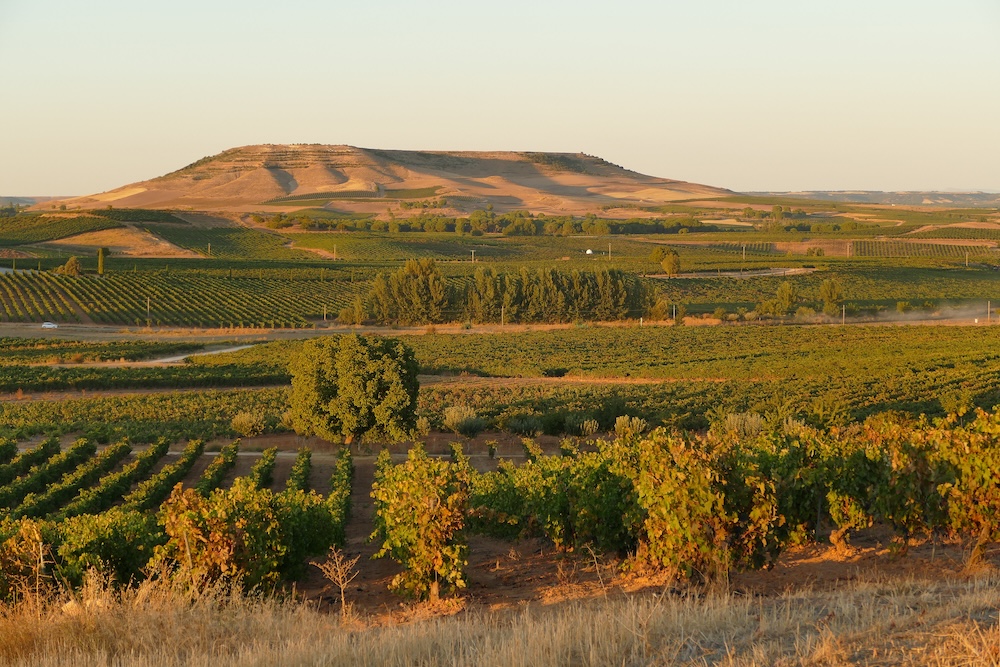
Dawn in the Ribera del Duero is not merely a meteorological event; it is a revelation. Imagine a mist so dense it feels tactile, crawling lazily over the course of the Duero River, shielding the vineyards like a silk sheet draped over an ancient treasure. There is no sound, save for the crunch of gravel beneath my boots and the distant, haunting echo of a bell tower marking six in the morning. The air smells of something I can only describe as “eternity”: a heady cocktail of damp earth, wild thyme, and that sharp mineral trail that promises—even before the first cork is pulled—that what lies ahead is not just wine, but liquid geography.
As the sun begins to tear through the horizon, the vineyards of the Golden Mile are stained a violent amber. Here, time flows differently. We are not in Bordeaux with its geometric aristocracy, nor in Tuscany with its Renaissance sweetness. This is Castile: austere, powerful, possessing a raw beauty that demands your absolute attention. It is the “Mecca” because here, the grape does not merely grow; it survives. And in that brutal struggle against a climate that seems to despise life itself, the most thrilling wine on the planet is born.
I close my eyes, and the scent of the soil after the rain hits me: it is “petrichor” blended with the promise of a fine crystal glass—the kind that rings like celestial music at the slightest touch. Visiting the Ribera is not a tourist trip; it is a pilgrimage for the palate. It is about understanding why a man would dedicate his life to a single plot of limestone soil, and why we, the seekers of the sublime, are willing to cross continents for a single sip of this contained power. Welcome to the heart of the Duero, where wine is not merely drunk; it is professed.

The Soul of the Terroir: Where Ice and Fire Forge Character
If the Ribera del Duero were a character in a novel, he would be a Castilian hidalgo: a man of few words, intense gaze, and unshakable resilience. To truly understand what sits in your glass, one must understand the punishment the vine endures. Here, the local motto reigns supreme: “Nine months of winter, and three months of hell.”
The geography is an elevated plateau, a stage of altitudes that defy logic, sitting between 700 and 1,000 meters above sea level. This thermal isolation provokes brutal temperature swings; days of scorching sun followed by nights where the mercury plummets. The result? A slow, tortuous ripening process, a vibrant acidity, and a concentration of color and tannin that is the envy of the Old World.
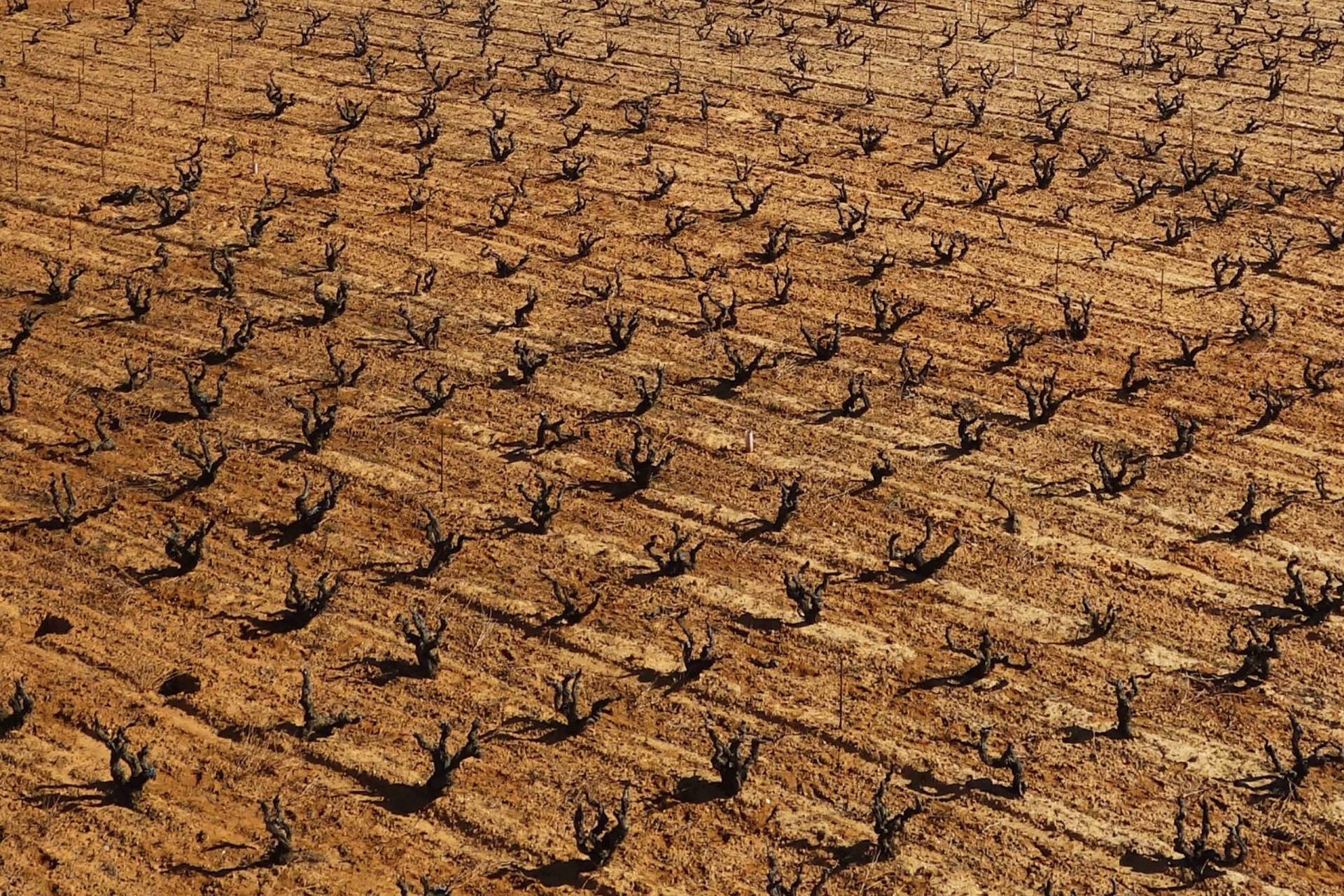
The soil is the other protagonist in this drama. A complex layering of clay, limestone, and alluvial deposits forces the roots of the Tinto Fino (our local variant of Tempranillo) to pierce through solid rock in search of moisture. The Tinto Fino is a grape with “fire in its eyes”: thick-skinned, small, and loaded with polyphenols. This is not the elegant, ethereal Pinot Noir; this is a grape with broad shoulders, capable of withstanding decades of aging in French oak without ever losing its identity of black fruit and mineral grit. It is, in essence, power tamed by art.


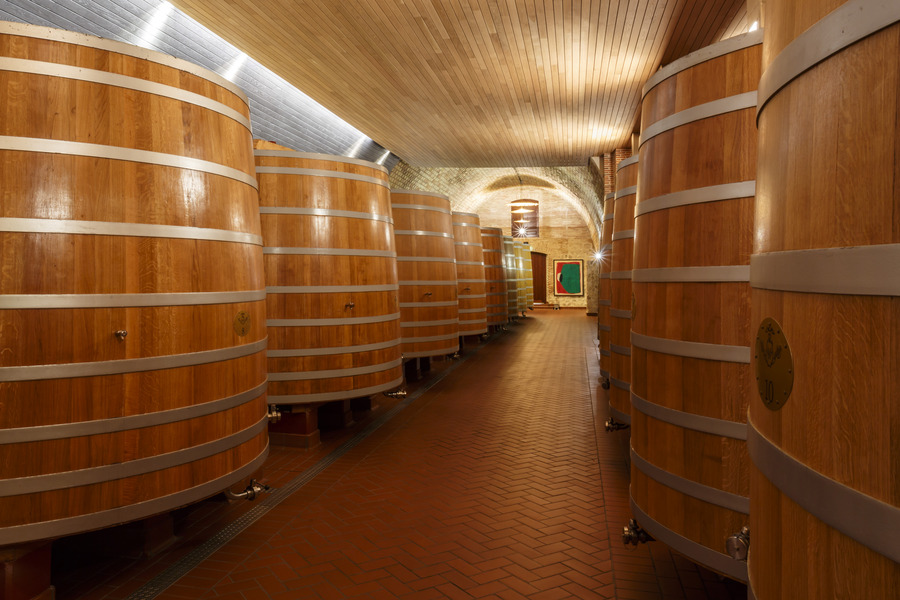

Vega Sicilia: The Holy Grail and the Mystique of Time
Architecture and Vibe: The Silence of the Centuries
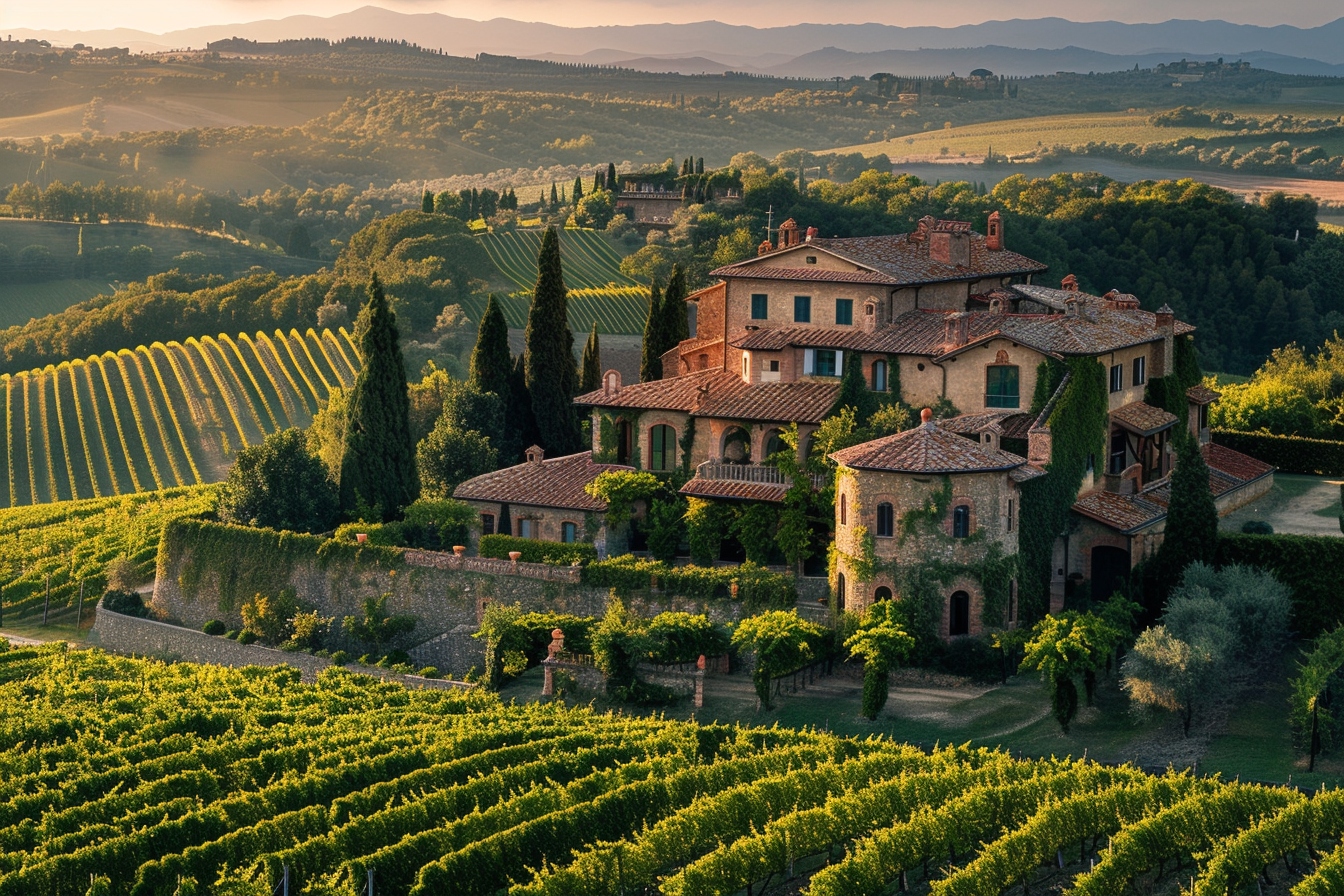
Arriving at Vega Sicilia feels like entering the embassy of a country that no longer exists—a place where haste is considered a cardinal sin. The estate, located in Valbuena de Duero, emanates an aristocratic elegance that doesn’t need to scream to be noticed. There are no “starchitect” designs seeking cheap applause; instead, there is a sobriety of stone and brick that seems to have emerged directly from the earth. The atmosphere is one of reverential silence, interrupted only by the wind whistling through century-old vines. It is “mystique” personified: the sensation that a secret has been guarded here since 1864.
The Oenotourism Experience: The Luxury of Exclusivity
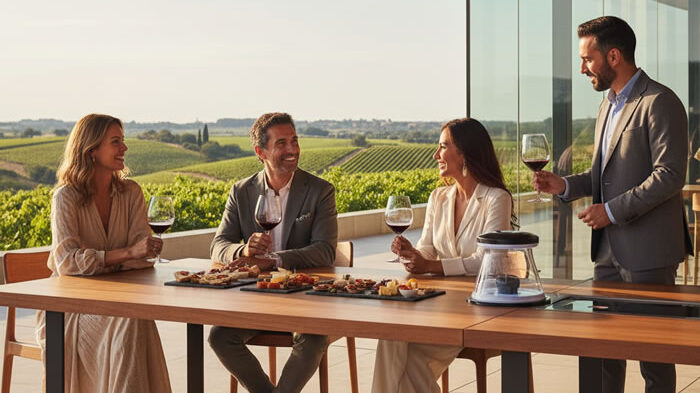
Forget mass tourism. Entering Vega Sicilia is a privilege reserved for the very few. The experience begins in the vineyard, where every plant is treated like a piece of high jewelry. Descending into their cellars is like stepping into the bowels of history. The air is cool, smelling of cedar and heritage. The sound of the cork being pulled in their private tasting room, surrounded by noble woods and views of the manicured gardens, carries a different frequency. There is no rush to sell you a bottle; there is only a genuine desire for you to comprehend that what you hold in your hand has taken, perhaps, twenty years to reach this point of perfection.
The Star Wine: Único (The Vertical of Glory)
Tasting a Vega Sicilia Único is an exercise in humility for any Sommelier. In a vertical tasting, one perceives how the wine evolves from the raw power of youth to a complexity that is almost mystical. We aren’t just talking about “red fruits”; we are talking about liquid velvet. On the palate, Único unfolds notes of pipe tobacco, old leather, cigar boxes, and a backdrop of graphite that recalls a cold dawn on the plateau. It is eternal. Its acidity is a backbone of steel clad in silk. Every sip is a layer of flavor that peels away like an infinite onion.
The Wow Factor: The In-House Cooperage
The best-kept secret—and the most impressive—is their own cooperage. Vega Sicilia is one of the extremely few wineries in the world that manufactures its own barrels. Watching the master cooper work the oak, selecting the exact grain and toast so that the wine does not “dress up” in wood but rather dialogues with it, is a near-religious experience. It is the absolute control over the wine’s ultimate destiny.


Abadía Retuerta: The Vanguard in a 12th-Century Monastery
Architecture and Vibe: Where the Medieval Greets the Future
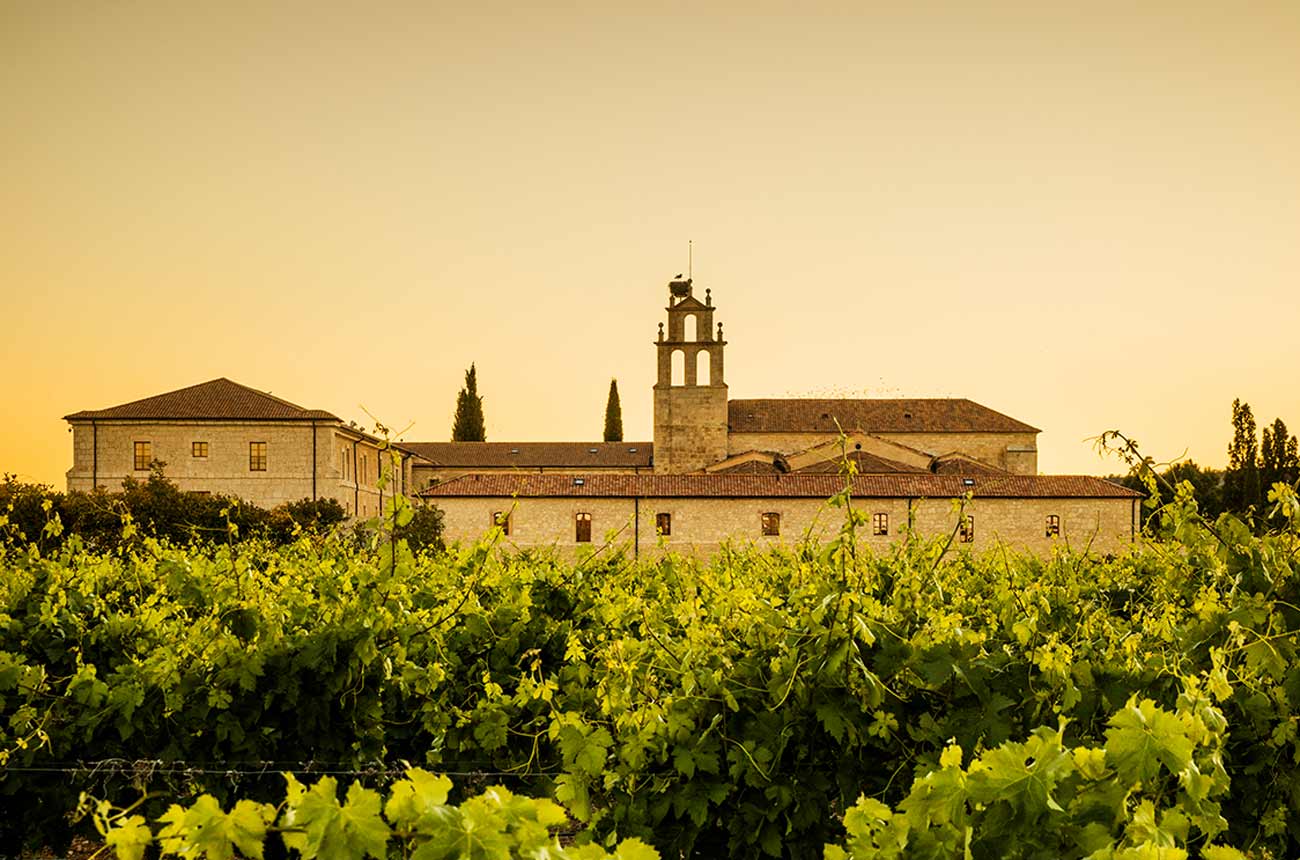
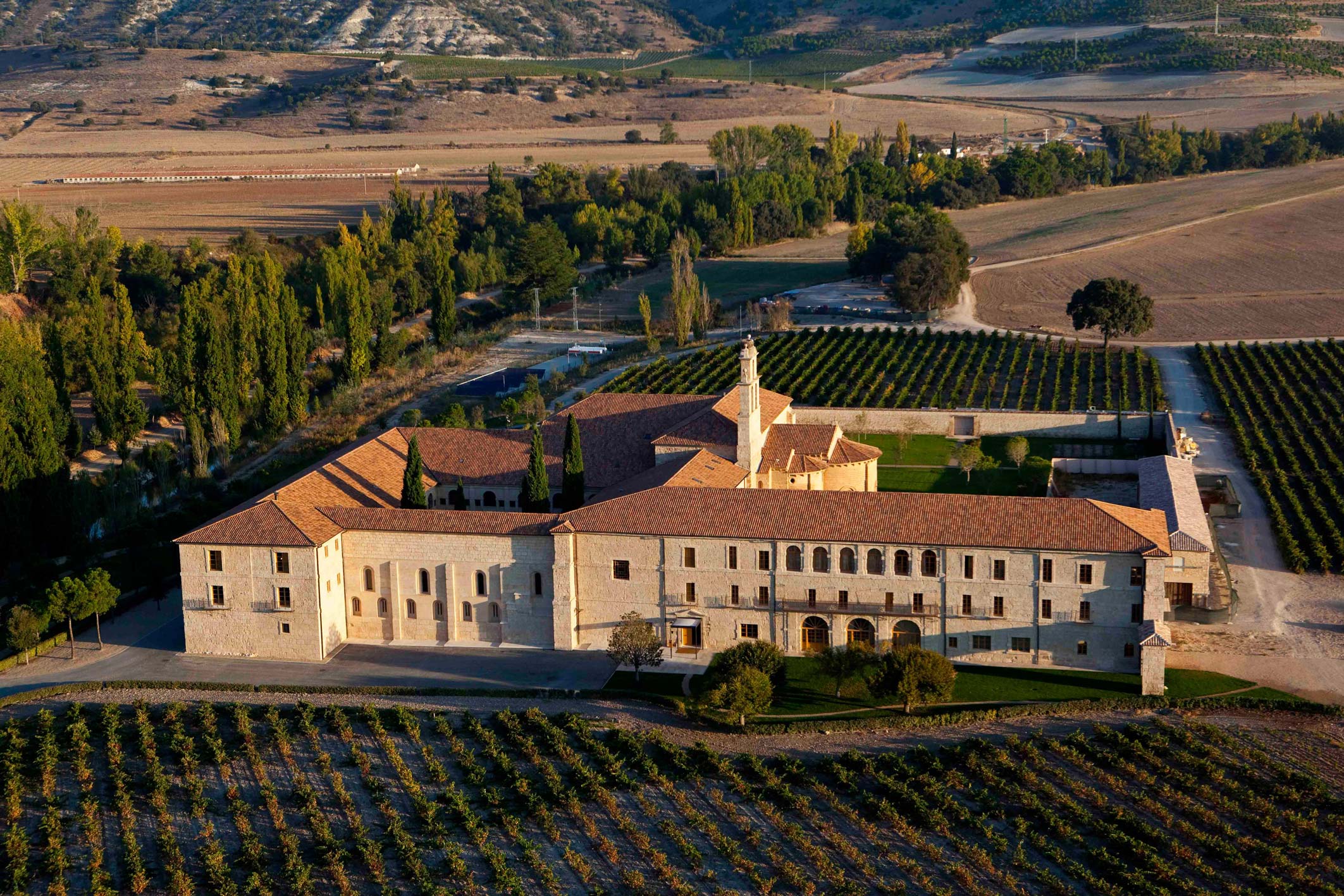
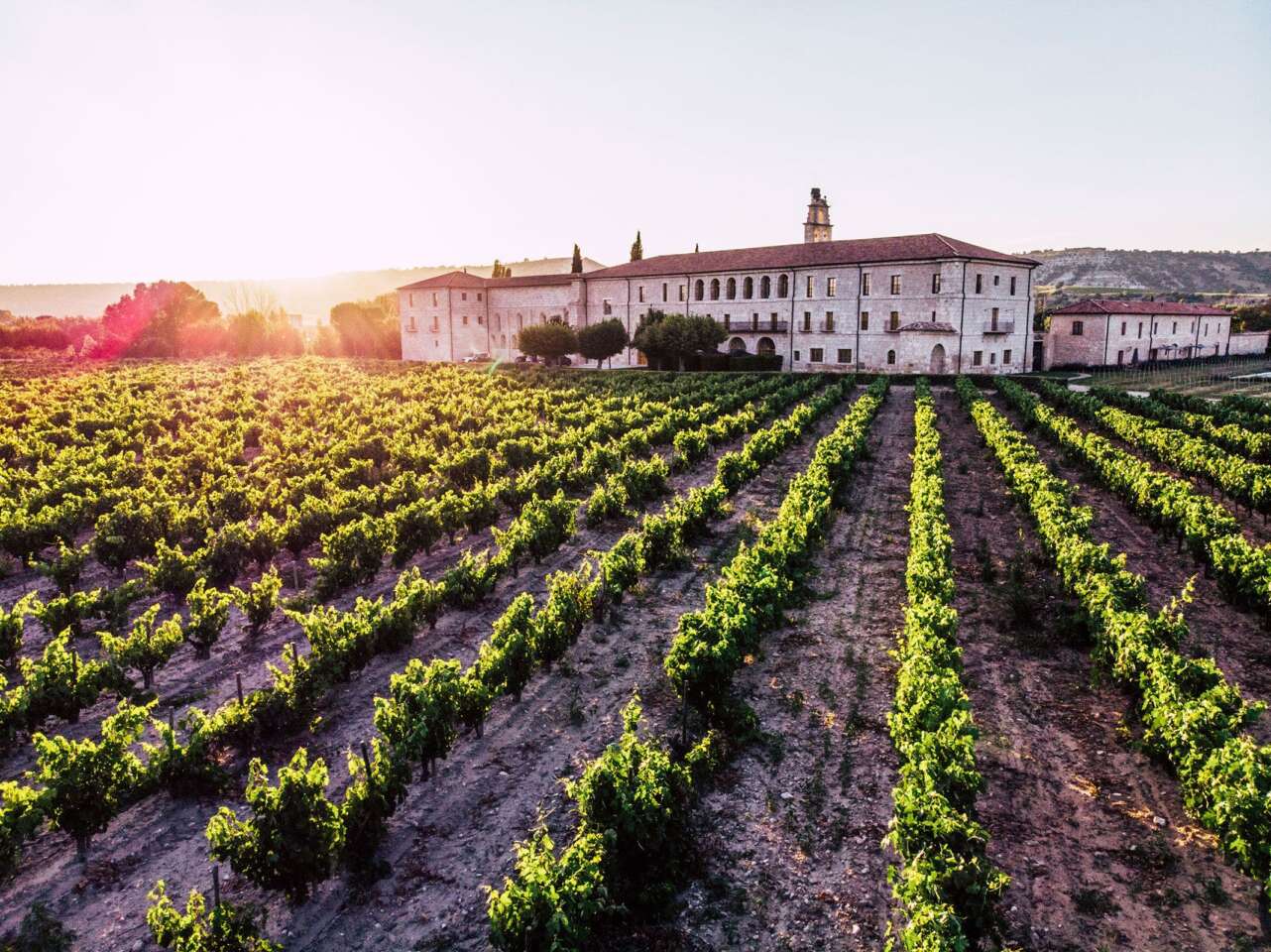
If Vega Sicilia is mystical tradition, Abadía Retuerta is intelligent hedonism. The crown jewel is the Monastery of Santa María de Retuerta, a Romanesque and Gothic marvel surgically restored to house the LeDomaine hotel. The “vibe” here is one of absolute sophistication. It is the kind of place where a medieval knight would feel comfortable using an iPad. The integration of the vineyards with the thousand-year-old stone creates an atmosphere of peace that invites contemplation… and the consumption of world-class wines.
The Oenotourism Experience: A Terroir Safari
Here, wine tourism is elevated to an art form. I highly recommend the 4×4 tour through the different “pagos” (plots). It is a geology lesson in motion. Seeing the stark differences between the Pago Negralada and the Pago Valdebellón while the sun beats down on the earth makes you appreciate the precision of their viticulture. Afterward, the descent into the winery—an engineering masterpiece that operates entirely by gravity—is like entering the engine room of a luxury ocean liner. The touch of the fine-grained French oak barrels, aligned with obsessive symmetry, is simply seductive.
The Star Wine: Pago Negralada
This is the “Black Knight” of the estate. A pure Tempranillo born from gravel soils. Upon tasting it, one feels an explosion of ripe black fruit, yet with an elegance that borders on the feminine. It is vibrant, long, with tannins that seem to have been polished by a master jeweler. It is a wine that doesn’t ask for permission; it demands the floor.
The Wow Factor: Butler Service and Helicopters
The “Wow” factor is the possibility of arriving by helicopter directly from Madrid and being greeted by a personal butler who knows your preferences before you’ve even formulated them yourself. It is the epicenter of “bespoke” luxury in the Ribera.


Pago de los Capellanes: The Elegance of Family and Earth
Architecture and Vibe: The Embrace of the Walnut Trees
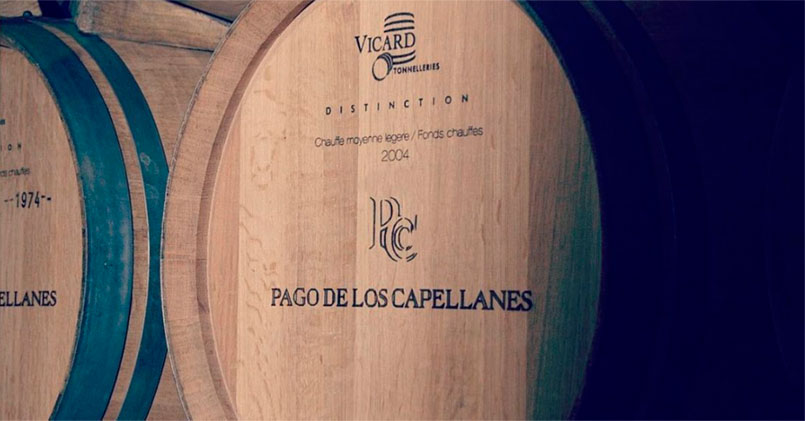
Pago de los Capellanes is the perfect example of how modernity can be warm. Its winery is an exercise in organic minimalism. Upon arrival, you are greeted by ancient walnut trees that seem to guard the entrance. The architecture—clean, functional, and buried into the hillside to maintain ideal temperatures—is stunning. The “vibe” here is about family, passion, and a relentless pursuit of excellence without ever falling into pretension. It is an elegance that feels authentic and grounded.
The Oenotourism Experience: The Cloister of Barrels
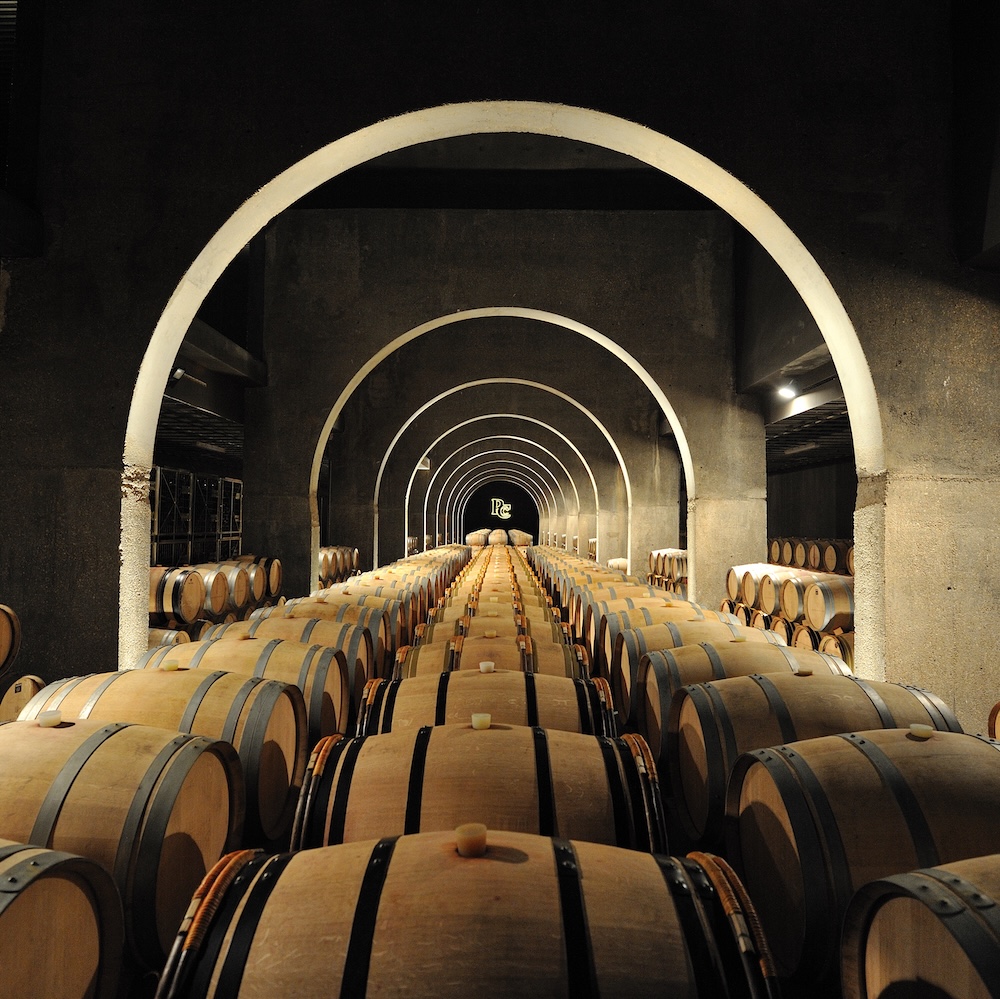
The visit culminates in a barrel room that resembles a modern cloister. It is a perfect semicircle where the silence is so thick you could cut it with a knife. The lighting is dim, designed specifically to highlight the deep color of the wine. Listening to the echo of the wine moving inside the wood is a sensory experience that prepares you for the tasting ahead. Here, luxury is not gold; it is time and attention to detail.
The Star Wine: El Picón
El Picón is a legend. It comes from a specific plot of barely two hectares. It is a wine of colossal structure, yet it possesses a surprising freshness. On the nose, it is a festival of spices, licorice, and balsamic notes. On the palate, it is dense, almost chewable, but finishes with a grace that compels you to take another sip. It is the very definition of a “lead fist in a velvet glove.”
The Wow Factor: The Private Art Collection
Strolling through the winery is also a stroll through a private contemporary art gallery. The Rodero-Villa family has integrated pieces that dialogue with the winemaking process, reminding us that great wine is, ultimately, one of the fine arts.

Gastronomy and Pairing: A Banquet for the Soul
In the Ribera del Duero, gastronomy does not merely accompany the wine; it merges with it. The experience is incomplete without the Lechazo Churro. Forget the lamb you have tasted elsewhere in the world; this is a different species entirely. Roasted in traditional wood-fired ovens, the skin must be so crispy it sounds like breaking glass, while the meat should melt at the touch of a fork, saturated in its natural juices.
Pairing this with an aged Ribera is a religious experience: the fat of the suckling lamb cleanses the tannins of the wine, while the wine’s acidity cuts through the richness of the meat. It is a perfect dance. Do not forget to try the Morcilla de Aranda, with its hint of cinnamon and black pepper, or the local cured sheep’s milk cheeses. Every bite is designed to elevate the glass standing beside it. This is a cuisine of raw product, devoid of unnecessary fireworks, because when the product is this perfect, artifice is redundant.
VIP Survival Guide: Tips for the Distinguished Traveler
- Transport: Do not attempt to drive. Distances are deceptive, and after three vertical tastings, all you will want is the back seat of a Mercedes S-Class with a private driver who knows the shortcuts through the vines.
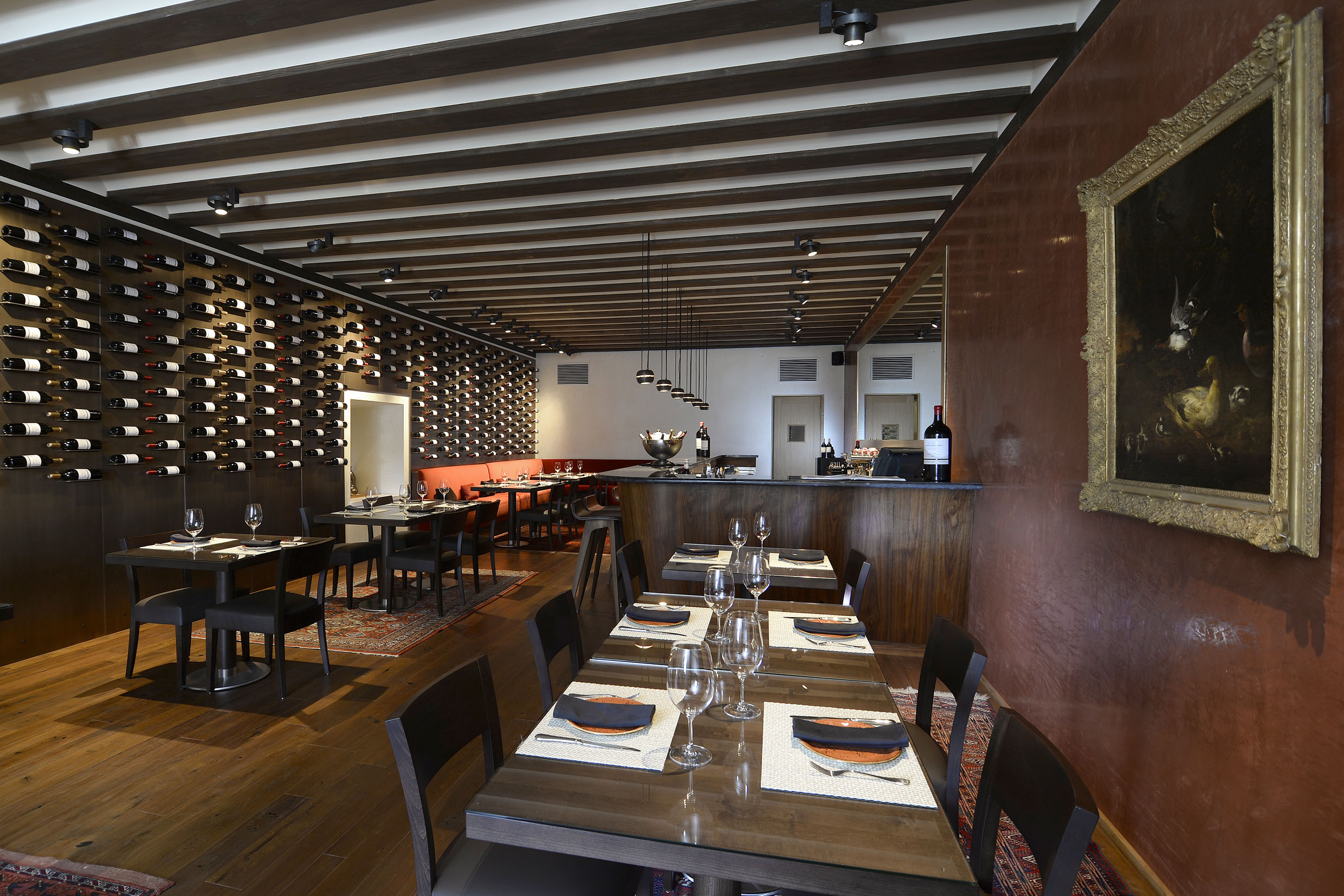
- Reservations: At places like Vega Sicilia or for a table at the Michelin-starred Refectorio in Abadía Retuerta, reservations must be made months in advance. Do not take “no” for an answer; use your best concierge.
- The Gear: Bring your own curiosity and, if possible, a leather-bound notebook. Estate directors appreciate those who ask intelligent questions about the percentage of new oak or the specific soil composition.
- Timing: The best time to visit is late September, during the harvest (vendimia). The air is thick with electricity, the smell of fermenting must is intoxicating, and you will see the region in its purest, most frenetic state.
The Ribera del Duero is not just a wine route; it is a state of mind. It is where the raw power of the earth meets the ultimate sophistication of man. If you seek the ordinary, look elsewhere. If you seek the epic, the Duero is waiting for you.