The Symphony of the First Ray: A Cinematic Introduction
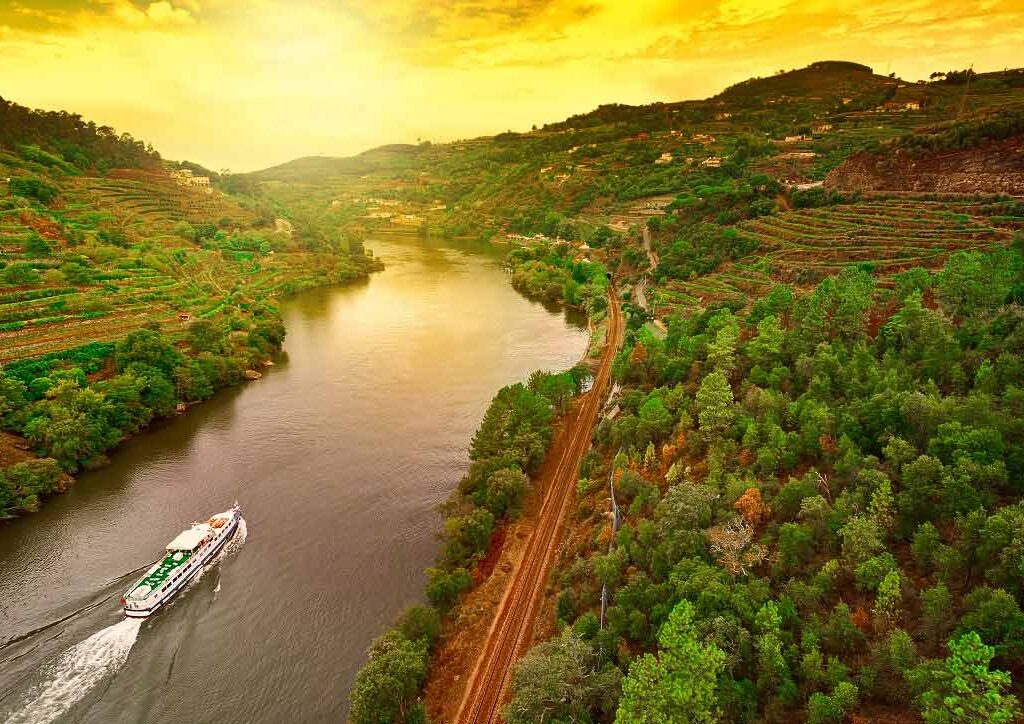
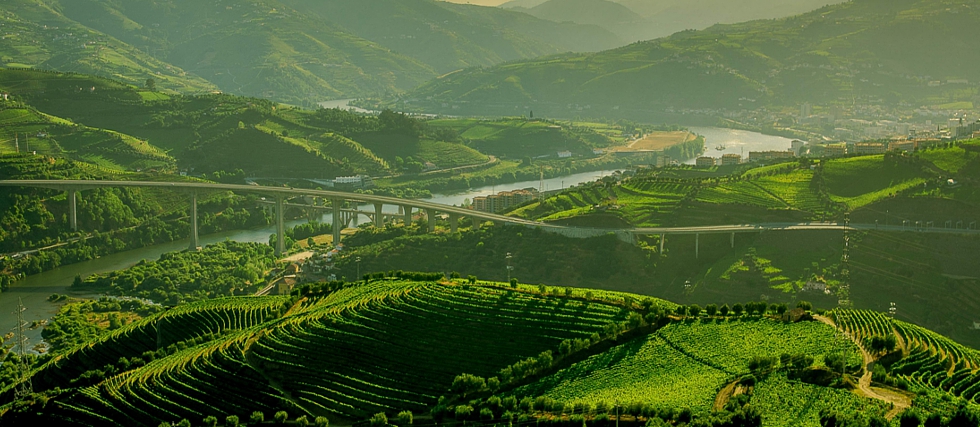
Dawn in the Douro Valley is not merely a change in light; it is a liturgical act. Imagine the world still slumbering under a silver blanket of mist that clings lazily to the river’s meanders, as if the water itself feared waking up. Suddenly, the sun fractures the horizon line, staining the schist slopes—which drop almost vertically toward the liquid mirror—with shades of saffron and violet. There is no absolute silence; one hears the crunch of slaty soil beneath leather boots, the awakening of cicadas, and that aroma… that intoxicating perfume known only to those who have chased the grape to its origin: a blend of dew-dampened earth, flowering rockrose, and the woody promise of a barrel breathing in the twilight of a centuries-old cellar.
Welcome to the “Mecca” of European hedonism. Portugal is no longer the continent’s best-kept secret; it is, today, the ultimate destination for the traveler who has traversed Bordeaux, grown weary of the Tuscan bustle, and seeks a deeper, more tactile truth. Here, luxury does not reside in the strident flash of gold, but in the density of an extra virgin olive oil that seems to hold the Alentejo sun, in the sinful creaminess of a cheese meant to be eaten with a spoon, and in the complexity of a wine that tells the story of navigators and poets. This route is a treasure map where the Xs do not mark chests, but heroic vineyards and olive mills that are true temples of design. Prepare yourselves: we are about to uncork the soul of a nation.
The Soul of the Stone: Context and Terroir
If the map of Portugal were a novel, the Terroir would be its most complex, mercurial, and fascinating protagonist. To understand what we pour into the glass, we must understand the geography of a country that lives with its back to Europe and its face to the Atlantic.
Let’s speak of the grape as if it were a fictional character. Touriga Nacional, the undisputed queen, is an aristocrat with a strong temperament: deep, dark-skinned, with an enviable bone structure (tannins) and a heart of violets and bergamot. It grows in the Douro, a region of “heroic viticulture” where the vines plunge their roots meters deep, piercing the schist—that laminar rock that retains the day’s heat to deliver it to the grape in the cool of the night. The climate here is an exercise in extremes: “nine months of winter and three of hell,” the locals say with that dry wit that characterizes them. It is this thermal stress that endows the wine with an elegant resilience, a concentration that doesn’t ask for permission but demands attention.
To the south, in the Alentejo, the landscape changes radically. Here, the horizon is an infinite line dotted with cork oaks and millennial olive trees. The soil is more diverse—granite, clay, marble—and the sun is an absolute sovereign. If the Douro is drama and verticality, the Alentejo is serenity and vastness. Here, grapes like Alicante Bouschet find their paradise, producing wines that are pure silk and opulence. This is the country of oil, where olives ripen until they reach a perfect balance between the pungency of youth and the sweetness of wisdom. It is this contrast—the granitic, Atlantic north versus the warm, Mediterranean south—that transforms Portugal into a gastronomic puzzle where every piece tastes distinctly of earth and sea.


Stations of Ecstasy: An Analysis of the Cathedrals of Taste
For this journey, I have selected four properties that are not just production sites, but pilgrimage destinations for the contemporary aesthete.
- Quinta do Vallado: The Schist Manifesto (Douro)
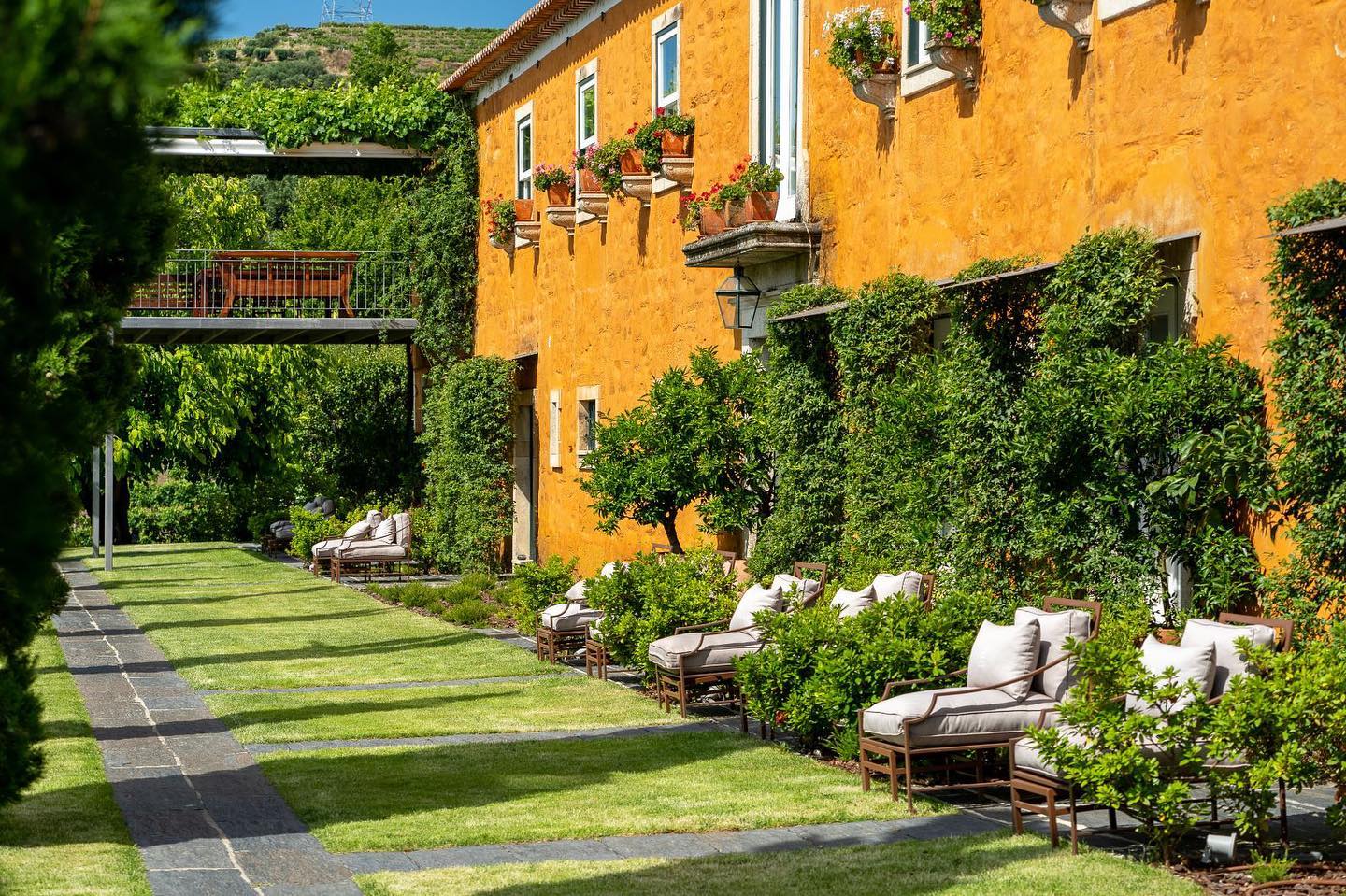
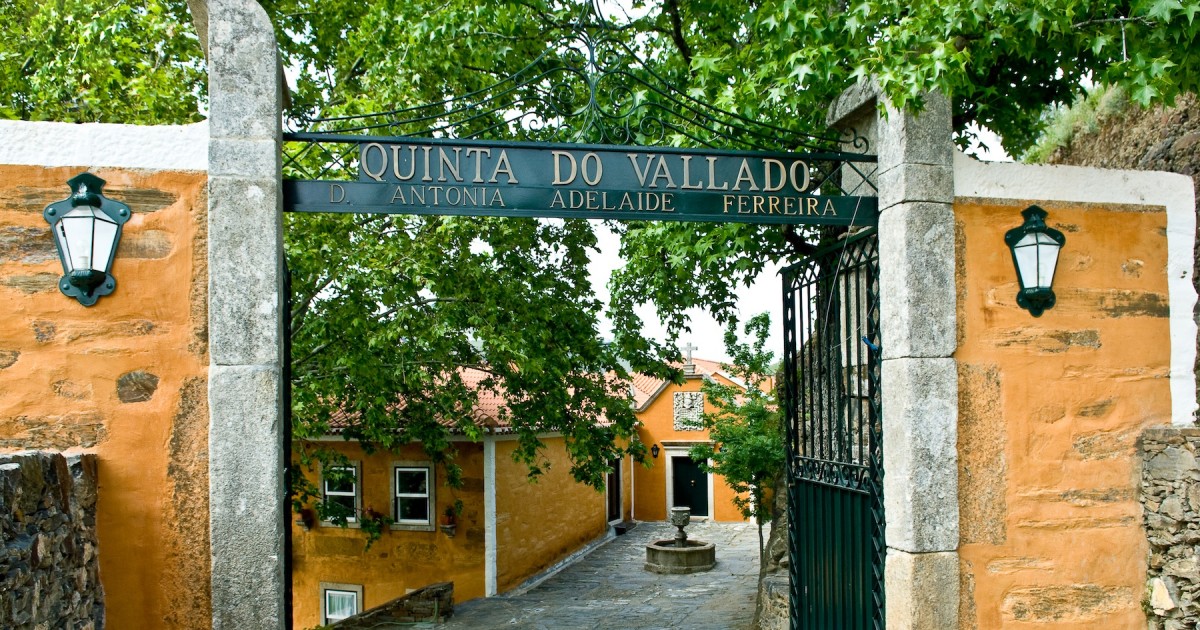
Architecture and Vibe: Located on the banks of the Corgo River, Quinta do Vallado is a study in contrasts. Founded in 1716 by the legendary Dona Antónia Adelaide Ferreira, the property preserves the manorly charm of its original yellow house but has catapulted into the 21st century with a minimalist design winery clad in blocks of local slate. It is a “fortress of wine” that seems to emerge organically from the hillside. The atmosphere is one of intellectual luxury: quiet, pristine, and profoundly authentic.
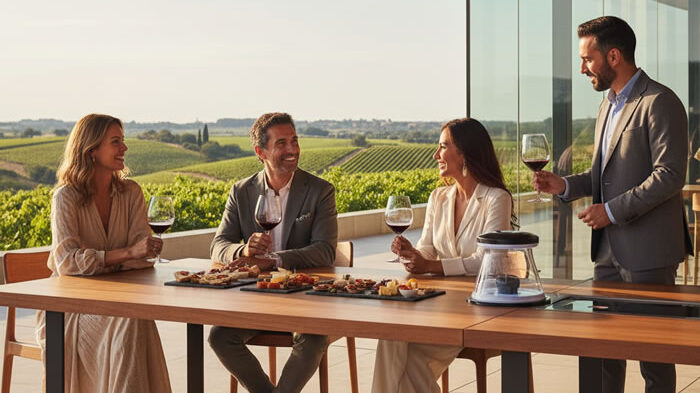
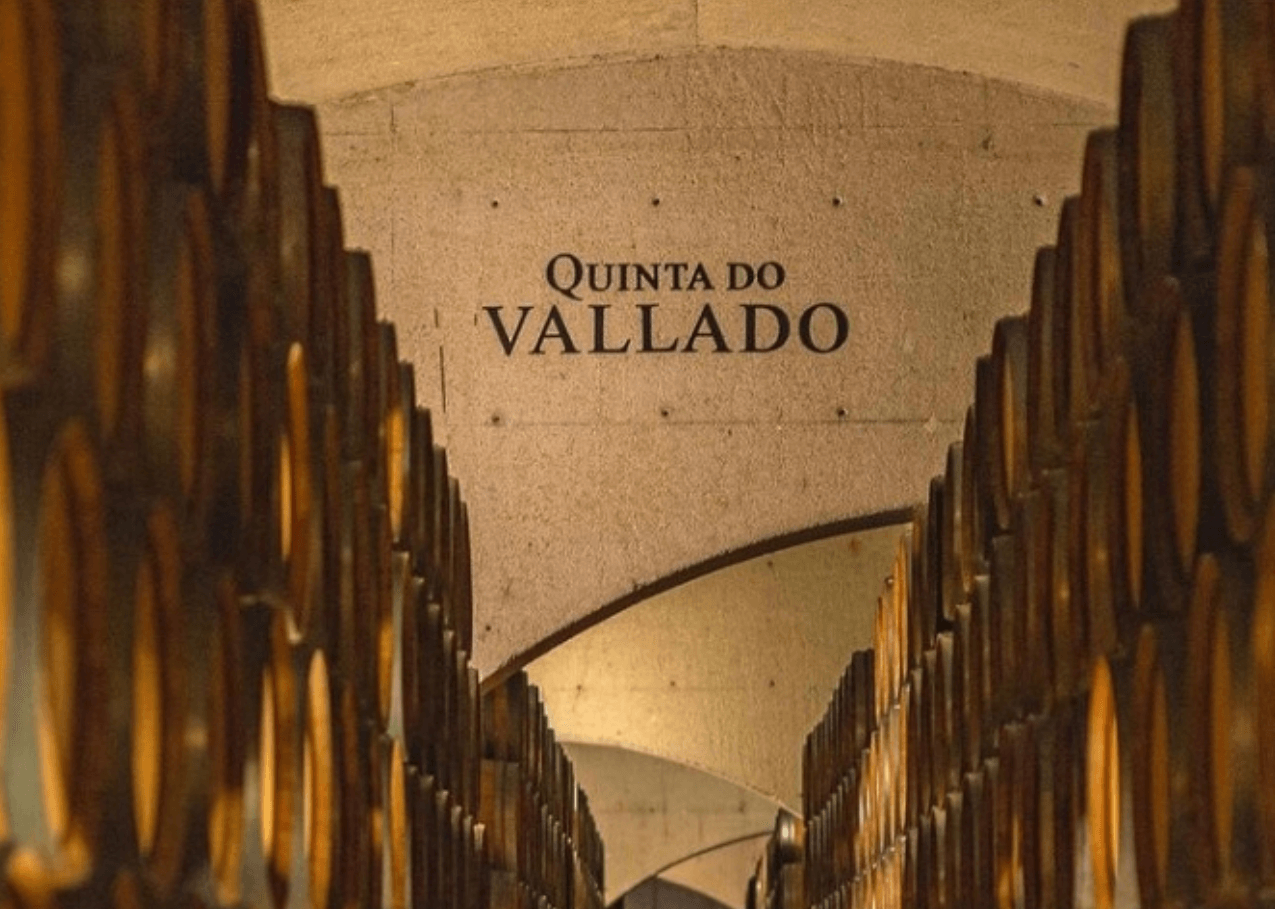
The Wine Tourism Experience: Forget about rushed tastings. Here, the descent into the barrel room is a journey into the underworld of elegance. The air is cool and smells of French oak and the noble dampness of stone. In a private room overlooking the terraced vineyards, the tasting of “Field Blends” takes place. It is the sound of uncorking a bottle of Vintage Port that sets the pace; a ritual performed with the precision of a surgeon.
The Star Wine: Quinta do Vallado Reserva Field Blend. It is not a wine; it is a liquid biography of over 40 grape varieties from centenarian vines. On the palate, it is liquid velvet; notes of graphite, rockrose, and a dawn of black fruits that persist minutes after the last sip. It is the definition of bottled sophistication.
The Wow Factor: Their collection of Ports over 100 years old. They possess an 1888 Port (the year Fernando Pessoa was born) resting in crystal carboys. It is not for sale, but if your palate demonstrates enough reverence, the sommelier might allow you to simply smell the cork of a bottle recently opened for a private dinner. That aroma is time itself.



- Herdade do Esporão: The Temple of Biodiversity (Alentejo)
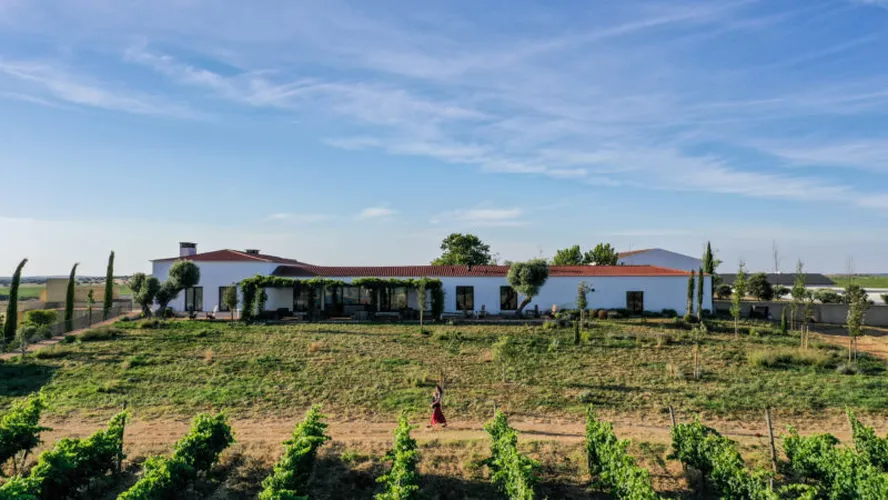
Architecture and Vibe: Arriving at Esporão is like entering an agrarian utopia of luxury. Located in Reguengos de Monsaraz, the architecture is an ode to the earth: horizontal lines, natural materials, and total integration with the landscape of olive groves. The vibe is one of sophisticated sustainability; here, luxury is space, pure air, and absolute respect for the cycle of life.
The Wine Tourism Experience: The reigning experience here is not just wine, but its Oleotourism. You visit the state-of-the-art olive mill, where olive oil is cold-extracted with technology that looks like something out of a NASA laboratory, yet possesses the soul of two millennia ago. Participating in a technical tasting of monovarietal oils (such as Galega or Cobrançosa) in blue glass cups is to discover that olive oil has as many tasting notes as the finest champagne: freshly cut grass, bitter almond, and green tomato.
The Star Wine: Esporão Private Selection Red. A wine of controlled power, with a structure reminiscent of a Savile Row tailor: perfectly fitted, elegant, and without visible seams. Notes of exotic spices and a mineral finish that evokes the property’s granite soils.
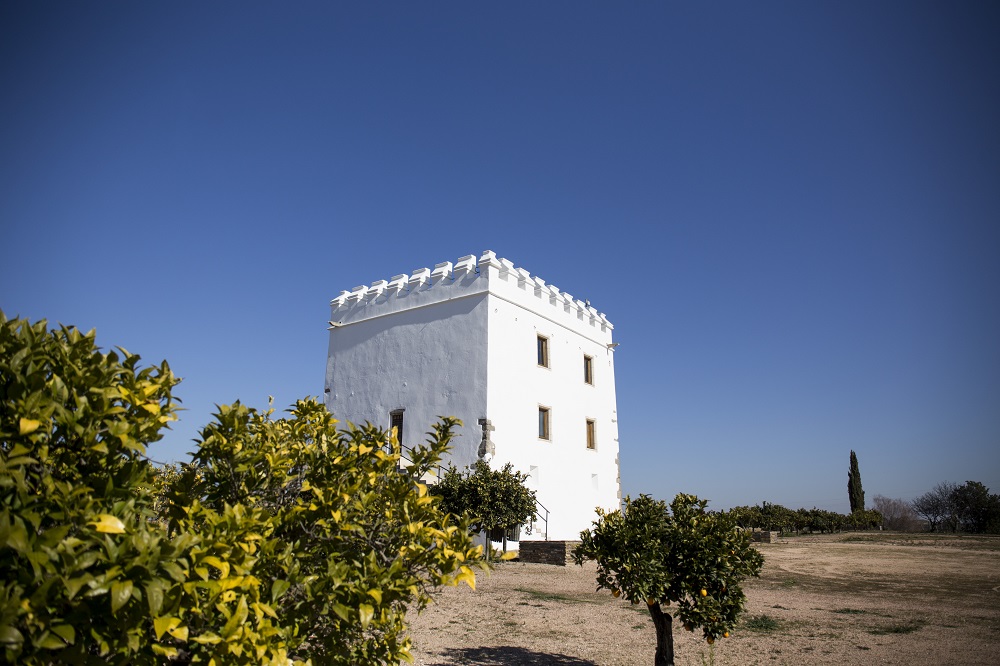
The Wow Factor: The “Torre do Esporão,” a medieval construction that guards the vineyards. Dining at its feet under one of the starriest skies in the world (the area is a Dark Sky reserve), while enjoying slowly roasted lamb, is an experience that borders on the mystical.

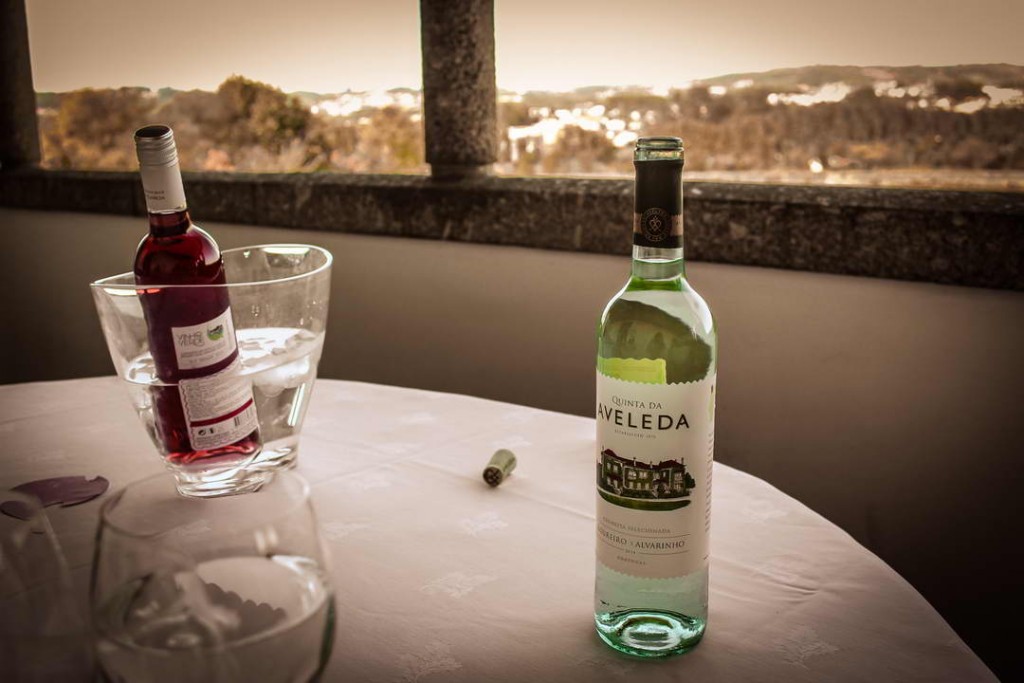

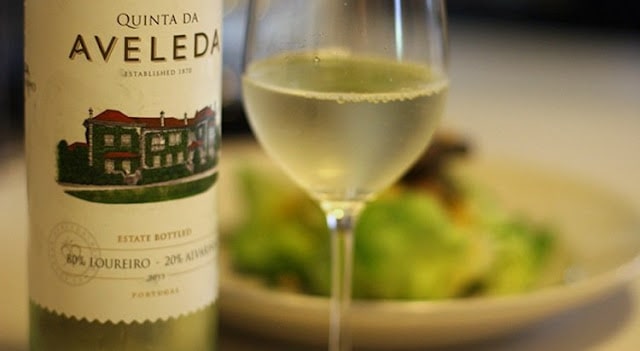


- Quinta da Aveleda: The Liquid Garden of Eden (Vinho Verde)
Architecture and Vibe: If Wes Anderson decided to design a winery, it would be this one. Quinta da Aveleda, in the Vinho Verde region, is an architectural fairy tale. Its romantic gardens, featuring fountains, moss-covered romantic ruins, and actual peacocks, surround a manor that looks plucked from a Gothic novel. The atmosphere is vibrant, fresh, and full of color.
The Wine Tourism Experience: Walking through its Albariño and Loureiro vineyards is sensory therapy. The tasting takes place on a terrace overlooking the gardens, where the sound of flowing water competes with the clinking of fine crystal glasses. Here, one learns that high-end Vinho Verde is not that young, fizzy supermarket wine, but a serious, mineral white with surprising longevity.
The Star Wine: Aveleda Solos de Granito (Alvarinho). It is pure electrical energy. Imagine licking a granite stone wrapped in lime zest and white flowers. It is crisp, precise, and possesses a freshness that cleanses the soul.
The Wow Factor: The “Goat Tower.” A three-story stone tower where the estate’s goats live, featuring an external spiral ramp. It is a detail of absolute wit that summarizes the Guedes family philosophy: wine is serious, but life must be fun.
Food Pairing and Local Gastronomy: A Religious Experience
Eating in Portugal is, for lack of a better word, an epiphany. It is not just about nutrition; it is a visceral connection with the product.
The absolute protagonist of any premium cheese board must be the Queijo da Serra da Estrela (PDO). It is a sheep’s milk cheese coagulated with thistle flower, giving it a texture so creamy that, at room temperature, one must slice off the top of the rind and eat it with a spoon. Its flavor is intense, herbaceous, and slightly bitter at the end; pairing it with a 20-year-old Tawny Port is, quite simply, reaching gastronomic nirvana.
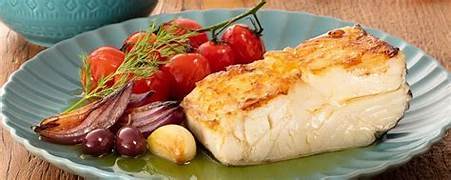
We cannot forget the Bacalhau (cod), but on this luxury route, we seek the Lombo de Bacalhau confit in the very same extra virgin olive oil from the property we are visiting. The fish should separate into white, glistening flakes with the mere touch of a fork. Accompany it with Arroz de Pato (duck rice) prepared in the old style, where the grain has absorbed every drop of the bird’s essence, and you will have a meal that makes any Michelin-starred restaurant in London or New York seem like an exercise in unnecessary pretension. The final touch is the oil: a thread of liquid gold over artisanal rye bread is the reminder that perfection is usually simple.
VIP Survival Guide: Logistics for the Connoisseur
For those seeking seamless exclusivity, planning is the secret ingredient.
- Transportation: Forget renting a car and dealing with the winding roads of the Douro while trying to decipher a map after three tastings. True luxury is hiring a private chauffeur with sommelier knowledge, or better yet, performing transfers between wineries via helicopter from Porto. Seeing the chessboard of vineyards from the air is the only way to grasp the magnitude of this region.
- Accommodation: Do not settle for conventional hotels. Book one of the suites at the Six Senses Douro Valley, a 19th-century palace converted into the ultimate sanctuary of wellness and wine. Its “Wine Library” is where any collector’s dreams come true.
- Forbidden Reservations: Premium experiences (private dinners with the winemaker, vertical tastings of historic vintages) must be booked at least three months in advance. Many of these quintas are family homes and value discretion over mass appeal.
- Luggage: Leave room in your suitcase for wooden crates, but be smart: use premium shipping services like Mail Boxes Etc. or specialized wine transporters to send your acquisitions directly to your private cellar at home. Traveling light is the ultimate sign of status.
Portugal is not just a destination; it is a state of mind where time slows down and the senses sharpen. Oil, cheese, and tradition are not random words; they are the pillars of a map that, if followed with the right curiosity, will lead you to the most important discovery of all: the pleasure of living well.