The Dawn of the Cascajos: A Cinematic Introduction
Dawn on the Northern Plateau is not merely the start of a day; it is a revelation. Imagine a low, almost timid mist caressing the undulations of a terrain that seems to vibrate under the weight of history. The air, impregnated with a metallic freshness and the ancestral perfume of wild thyme, shatters with the first ray of sun that ignites the horizon. Here, where the Castilian sky unfolds with an immensity that overwhelms, the ground—covered in those rolling stones that locals call “cascajos”—guards a liquid secret.
We are not facing a landscape of docile vineyards and lush greens. Rueda is austere, it is rugged; it is a land of violent contrasts where survival translates into excellence. But suddenly, the pop of a cork breaks the silence of the moorland. The sound is dry, authoritative—a pure invitation to hedonism. As the wine is poured, the glass catches a straw hue with glints of green gold, and in that instant, the journey begins.
Rueda is not just a stop on the map; it is the “Mecca” for those of us who understand that white wine is not the prologue to a dinner, but the absolute protagonist of a life well-lived. Forget the prejudices of light, ephemeral whites. Here, wine has a backbone, it has memory, and it has the capacity to stop time. Welcome to the route where the Verdejo grape sheds its simplicity to dress in gala attire, defying gravity and the palate with an elegance that only the most punished soils can give birth to. This is the chronicle of a pilgrimage toward the perfect white.
The Soul of Verdejo: A Character of Indomitable Spirit
If the Verdejo grape were a character in a novel, she would be a period heroine: resilient, possessing a beauty that stings, and endowed with a sharp intelligence that only reveals itself to those who know how to listen. Originally from North Africa and brought over by the Mozarabs more than ten centuries ago, this variety has made adversity its greatest virtue.
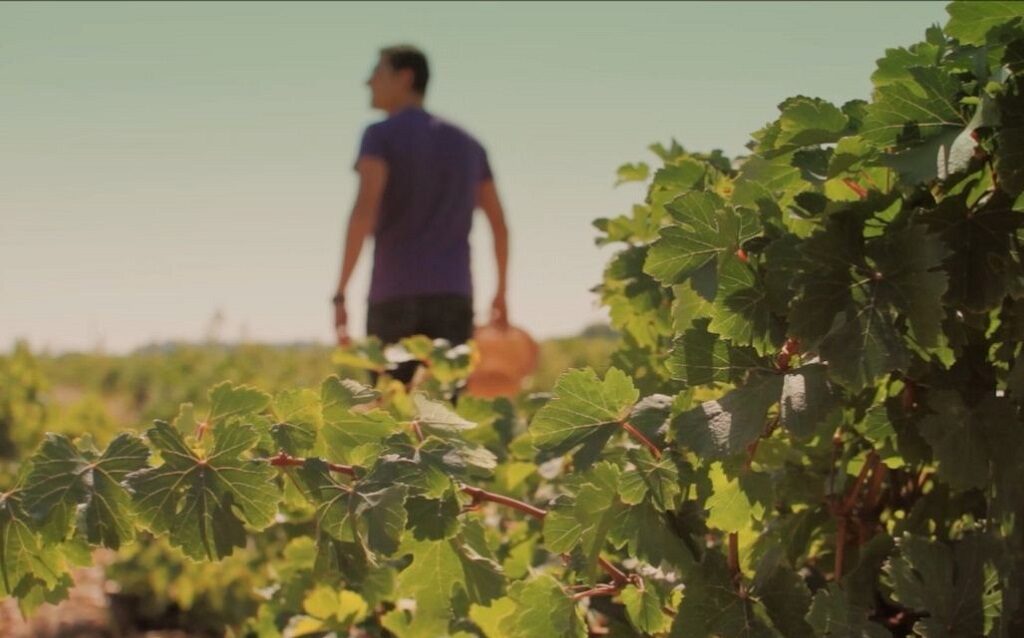
Rueda sits upon a high plateau whipped by continental winds. The winters are long, characterized by a poetic cruelty, and the summers are flashes of heat that force the vine to seek sustenance in the depths of the earth. The geography is a hall of mirrors: at some 700 or 800 meters above sea level, the thermal oscillations between day and night are so dramatic that they fix the wine’s acidity like a jewel in an engraving.
The terroir is the necessary accomplice. Those poor, well-draining soils, rich in calcium and magnesium, force the roots to pierce meters of sediment to find a single drop of water. This hydric stress is not torture; it is discipline. The result is a grape with an aromatic concentration that defies logic: hints of fennel, freshly cut grass, and that minerality that tastes like wet stone after a storm. Rueda’s Verdejo does not ask for permission; it imposes itself with a structure that allows for barrel aging capable of rivaling the great Chardonnays of the world, but with an electric personality that is purely Spanish.



A Detailed Analysis of the Cathedrals of White Wine
- Belondrade y Lurton: The Manifesto of French Elegance on Castilian Soil
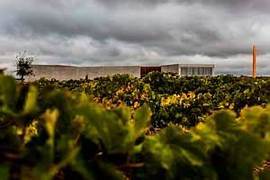
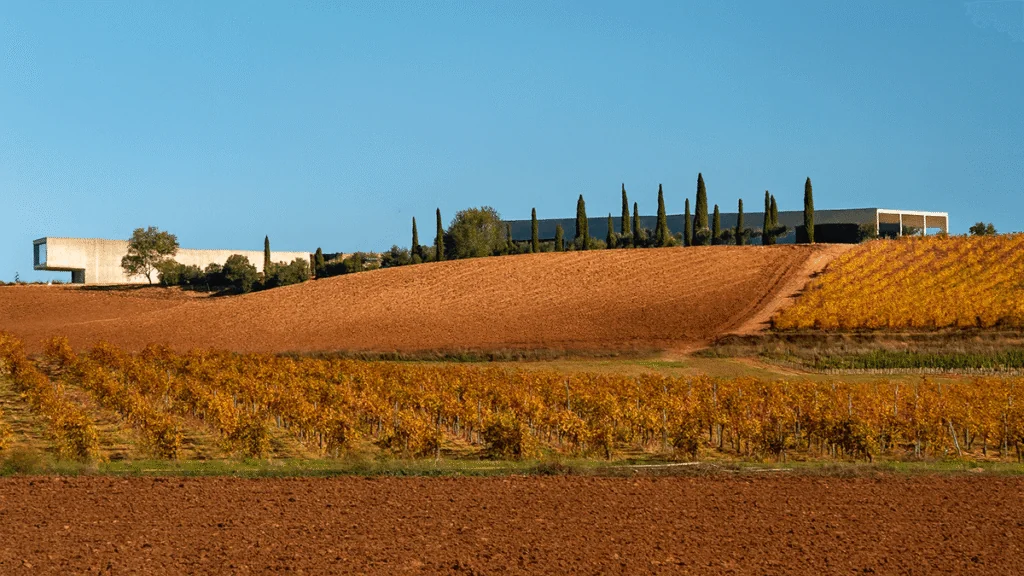
Architecture and Vibe Arriving at Belondrade is like entering a Bordelais château that decided to take root in the slopes of La Seca. There are no titanium excesses or futuristic stridencies here. The winery, designed by architect Vicent Mestre, is an exercise in sobriety and respect for the environment. It is a construction that melts into the landscape, using noble materials that age with the same dignity as its wines. The atmosphere is one of “quiet luxury.” Here, the murmur of the wind through the holm oaks is the soundtrack, and the order is almost monastic. It is the refuge of a visionary, Didier Belondrade, who in 1994 decided that Verdejo could speak French without losing its Castilian accent.
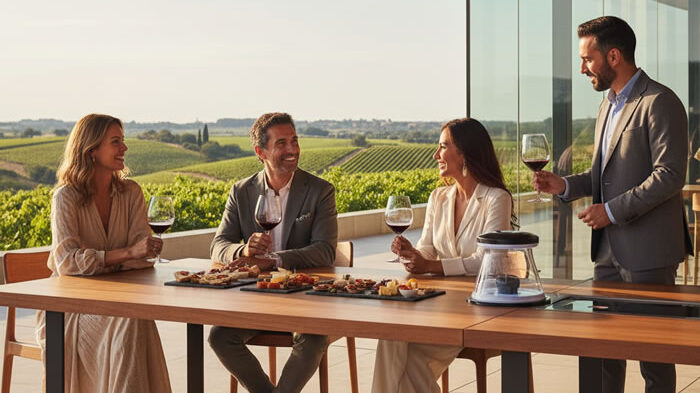
The Wine Tourism Experience Forget group tours with guides repeating a script. At Belondrade, wine tourism is a private audience with art. The experience begins in the vineyard, touching the earth, understanding the selection by plots. The descent into the vinification area is a sensory journey. You don’t hear the roar of large machines here, but rather the subtle work of yeasts. The barrel room is a celestial vision: hundreds of French oak units from the world’s best forests rest in perfect gloom. The touch of the wood is silky, almost warm. The tasting takes place in a room where natural light bathes the Riedel glasses, allowing one to appreciate every chromatic nuance while the Sommelier explains the philosophy of “spontaneous fermentation.”
The Star Wine: Belondrade y Lurton (Barrel Aged) This is not a wine; it is a testament. In a vertical tasting, Belondrade reveals its immortality. Upon bringing the glass to the nose, one perceives a liquid velvet emanating notes of white flowers, artisanal butter, and a citric backdrop reminiscent of candied grapefruit peel. On the palate, the entry is opulent, almost creamy, but sustained by a vibrant acidity that pierces the palate like a ray of light. It is a symphony of bakery notes, dried fruits, and that mineral “dawn” we mentioned. The finish is eternal, leaving a trail of elegance that compels introspection. It is, without a doubt, the wine that changed the history of Rueda.
The Wow Factor The detail you won’t find in common brochures is the “Dinner of the Stars” on the family’s private terrace, overlooking a sea of vineyards that lose themselves in the darkness of the Castilian night. It is a privilege reserved for a very few, where old vintages are uncorked—vintages that Didier jealously guards in his personal cellar—proving that a Rueda white from 15 years ago can be more complex and exciting than any renowned red.



- Marqués de Riscal: The Giant Embracing the Future
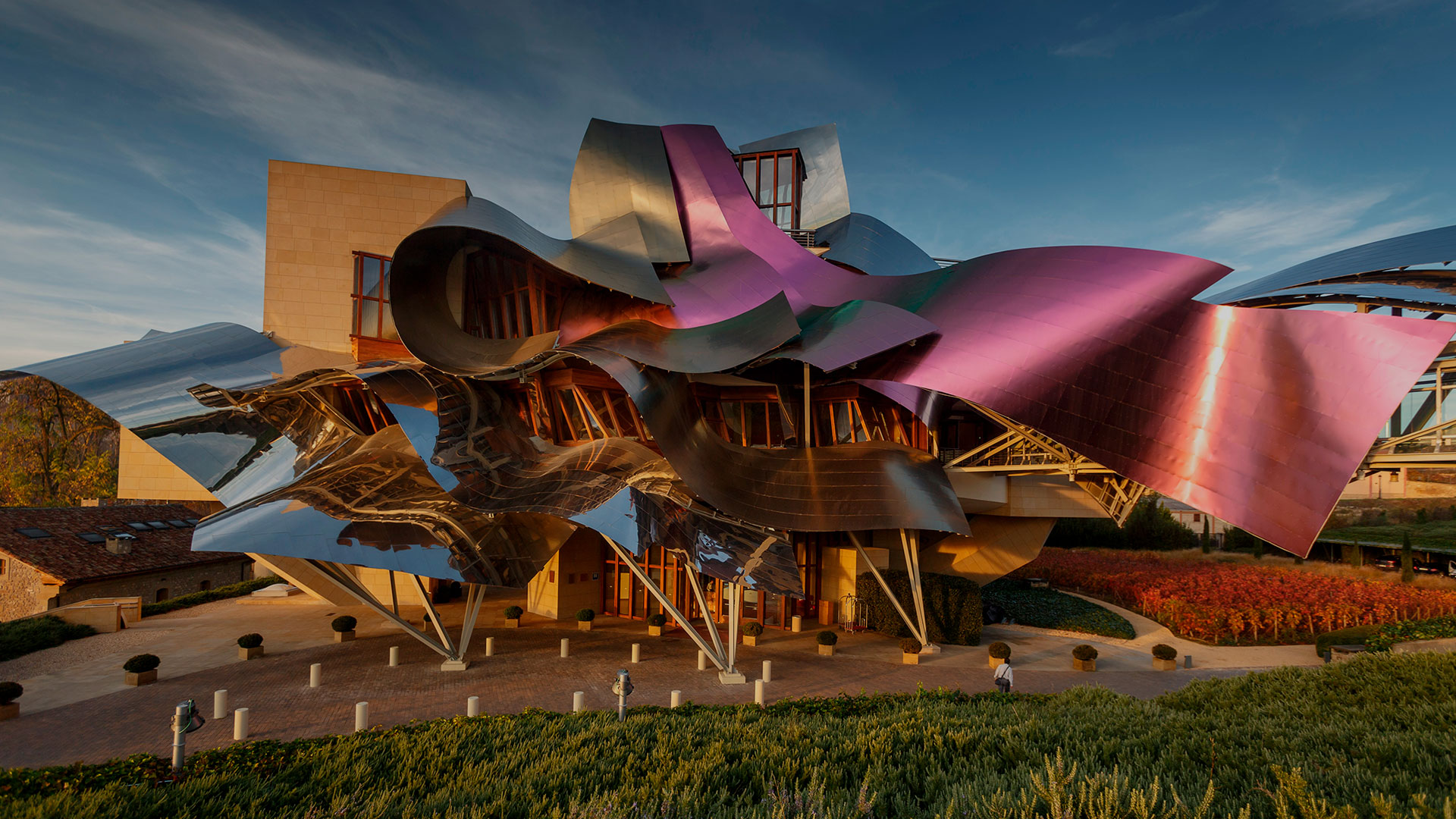
Architecture and Vibe If Belondrade is sobriety, Marqués de Riscal in Rueda is industrial power joined with historical vision. Although we all associate Riscal with Frank Gehry’s titanium waves in Rioja, its presence in Rueda is equally monumental. The white wine winery is a state-of-the-art facility where technology is put at the service of purity. The vibe is one of dynamism; it is a perfectly oiled machine that breathes confidence. It is the place where the tradition of a house founded in 1858 meets the precision of 21st-century oenology.
The Wine Tourism Experience The premium visit here is a display of exclusivity. It begins with a luxury 4×4 tour through their most emblematic estates, such as Finca Montico. But the true climax occurs in the interior cellars. The sound of uncorking a Marqués de Riscal Limousin in a tasting room suspended over the production area is an almost cinematic experience. The lighting is theatrical, highlighting the stainless steel and wood with the precision of an art gallery. The sensation is that of being in the control center of a space mission whose sole objective is the perfection of flavor.
The Star Wine: Finca Montico A plot-specific wine that redefines the concept of “freshness.” In the glass, it presents a straw-yellow color with greenish flashes, very bright. Its nose is an explosion of intensity: fennel, fresh grass, stone fruits like white peach, and a surprising saline note. On the palate, it has an enviable “nerve”; it is unctuous but with a structure that fills the mouth. It is like biting into a ripe fruit in the middle of a field of wild flowers. Its time on the lees grants it a complexity that evolves in the glass minute by minute.
The Wow Factor The best-kept secret is the Access to the Historical Archive of Whites. Riscal possesses one of the most important wine libraries in the world, and for VIP visitors, it is possible to organize a tasting of historical bottles from the 1970s, when the Rueda D.O. didn’t even exist as such. It is a bottled history lesson that leaves you breathless.




- Bodegas Menade: The Return to Origins and Organic Rebellion
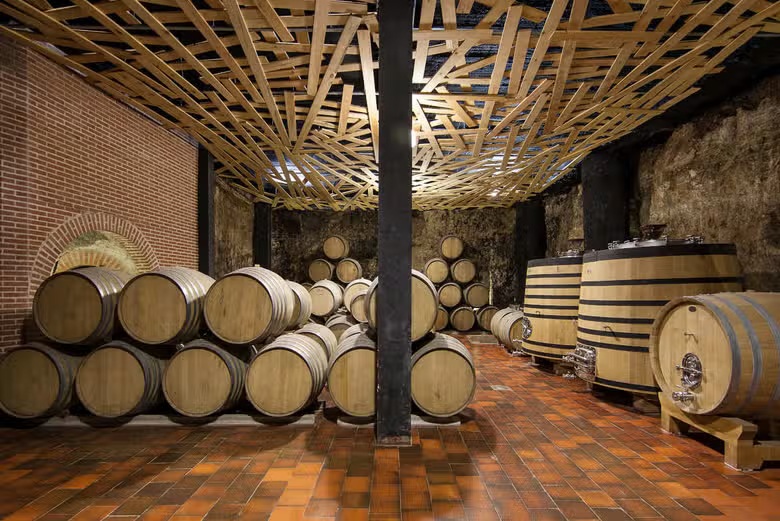
Architecture and Vibe To understand Rueda, one must go underground, and no one does it better than the Sanz siblings at Menade. Their winery, “La Función,” is a 19th-century gem recovered with exquisite taste. The vibe is bohemian, authentic, and deeply connected to the earth. It is a blend of wine archaeology and ecological modernity. Here, biodiversity is not a label; it is a way of life: you will see beneficial insects, bee hotels, and vegetation surrounding the vines like a protective hug.
The Wine Tourism Experience The descent into their underground galleries is a journey to the womb of the earth. The air is humid, smelling of history and limestone. Traversing these tunnels by candlelight, listening to the echo of your own footsteps, prepares you for an almost mystical tasting. There are no external noises, only the peace necessary to connect with the wine. The final tasting is held in a room decorated with salvaged furniture and local art, creating the atmosphere of a private club for the initiated.
The Star Wine: La Misión Crafted from grapes of pre-phylloxera vineyards planted in sandy soils. It is a wine that tastes of eternity. Its aging takes place in clay jars (tinajas) and barrels of various sizes. The result is a wine with notes of quince, wildflower honey, and an earthy minerality that anchors you to the ground. It is dense, complex, with a texture reminiscent of satin. Every sip tells the story of a vine that survived plagues and wars to reach your glass.
The Factor Wow Their “Biodiversity Safari.” Menade invites its premium guests to tour the vineyard to understand how hawks, insects, and plants interact to create a balanced ecosystem. It is the most human and conscious face of luxury.
Pairing and Gastronomy: A Religious Communion
Eating in the Rueda region is an act of faith. Here, the product is sacred and fire is the primary condiment. For the experience to be complete, the pairing must live up to the wines we have described.
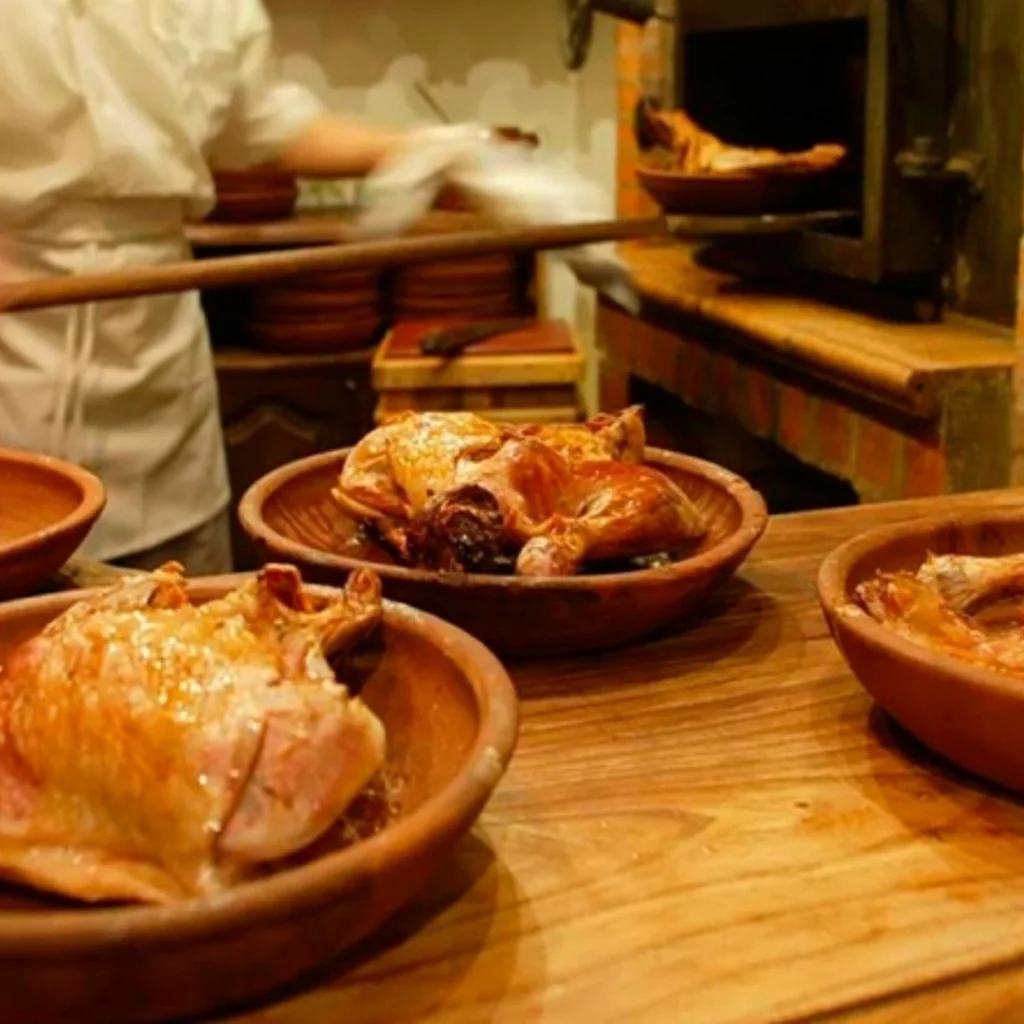
The undisputed star is the Lechazo Asado (roasted suckling lamb) in a wood-fired oven. The contrast between the crispy skin and the tender meat of the lamb is elevated to another dimension when accompanied by a Belondrade y Lurton. The fat of the lamb is cleansed by the wine’s acidity, while the woody notes harmonize with the roasted aromas of the meat.
If you seek something more refined, the Pine Nuts of Pedrajas are a local delicacy that appears in haute cuisine dishes, providing a subtle texture and flavor that pairs perfectly with the elegance of a Finca Montico. And we cannot forget the cured sheep cheeses of the area; a cheese with 12 months of maturation alongside a Menade wine like La Misión is an experience bordering on the spiritual. The sharpness of the cheese and the unctuousness of the wine create an eternal dialogue on the palate.
For star-seekers, a visit to Ambivium (in nearby Peñafiel) is mandatory. It is the restaurant of the Pago de Carraovejas winery, where the Sommelier is king and the menu is built around the wine, offering some of the best Rueda references in vintages impossible to find anywhere else.
VIP Survival Guide: The Art of Exclusivity
- Logistics with Style: Do not drive. Hire a private chauffeur service in a Mercedes S-Class or, for the more daring, a helicopter transfer from Madrid (barely 45 minutes) that lands directly among Riscal’s vineyards.
- Timing is Everything: Avoid the crowds. The best time is late September, during the night harvest. Seeing the harvest under the stars, with the grapes entering the winery cool and fresh, is a unique visual and olfactory spectacle.
- Dream Accommodations: While Riscal has its iconic Gehry hotel in Rioja, the most exclusive option in Rueda is staying in one of the luxury renovated rural houses or at the Castillo de Buen Amor, a 15th-century fortress converted into a hotel where you can sleep surrounded by history.
- Wine Concierge: Request “closed-door” visits. The aforementioned wineries offer experiences that are not on their websites if contacted through a luxury travel designer. Ask to taste directly from the barrel; that is where the wine shows its naked soul.
Rueda is not just a wine route; it is the place where Spanish white wine reclaims its throne. It is sophisticated, it is deep, and it is, without a doubt, the definitive destination for those who know that perfection, sometimes, comes in a cold, golden glass.