The Dawn of the Senses: Where Time is Sipped
The dew in Rioja Alavesa is not merely water; it is the condensed breath of centuries of patience. Imagine waking up in a suite suspended over a literal sea of vineyards, where the Sierra de Cantabria rises like a limestone sentinel, guarding a kingdom that seems to have frozen in the 17th century. The morning air carries an intoxicating perfume: the dampness of the clay-calcareous soil after a capricious rain, the sandalwood of barrels breathing in the depths, and that sharp, almost electric hint of the Tempranillo grape awakening under the autumn sun.
We are not merely embarking on a pleasure trip. This route through the 12 historic villages—from the walled stronghold of Laguardia to the mystical Labastida, passing through the elegance of Samaniego and the railway spirit of Haro—is the Mecca for any initiate in the mysteries of the vine. It is a pilgrimage where every cobblestone has a story to tell and every glass of wine is a time capsule. Here, luxury is not measured in carats, but in the depth of a “terroir” that has witnessed the passage of Roman legions, Benedictine monks, and the iron aristocracy.
Preparing the palate for this journey is an act of reverence. We are in a place where wine is not manufactured; it is raised. Where wineries are cathedrals of silence and the uncorking of a bottle is a ritual of resurrection. Welcome to ground zero of liquid elegance, where yesterday and tomorrow toast with a reserve from a historic vintage.

The Terroir: The Soul of the Earth in the Body of a Grape
To understand this region, one must view the Tempranillo grape not as a fruit, but as the protagonist of a chivalry novel: noble, resilient, capable of aging with a grace that even the immortals would envy, yet always guarding a wild secret within.
Geography here is destiny. We stand in a natural amphitheater where the Ebro River meanders like a silver vein. The climate is a stormy romance between the Atlantic freshness, arriving from the north with the Cierzo wind, and the Mediterranean warmth rising through the valley. This duality is what grants the wine its “vibrato”: that electric acidity that keeps the wine alive for decades, balanced by a structure of tannins that feel in the mouth like the touch of a silken Persian rug.
The soil is the true screenwriter. Those layers of clay and limestone, seemingly poor but rich in character, force the vine to suffer, to sink its roots deep into the rock in search of sustenance. This suffering translates into complexity. When you smell a wine from these villages, you don’t just smell fruit; you smell wet stone, the graphite of mines, the wild thyme growing on the edges, and the very geological history of a valley that was a sea millions of years ago. It is a “terroir” that is felt on the tip of the tongue as a mineral vibration, a reminder that we are what we drink.



The Cathedrals of Liquid: Four Stops on Olympus
While the journey traverses twelve villages, there are four epicenters where the wine tourism experience reaches religious heights. Places where design, history, and flavor collide to create something eternal.
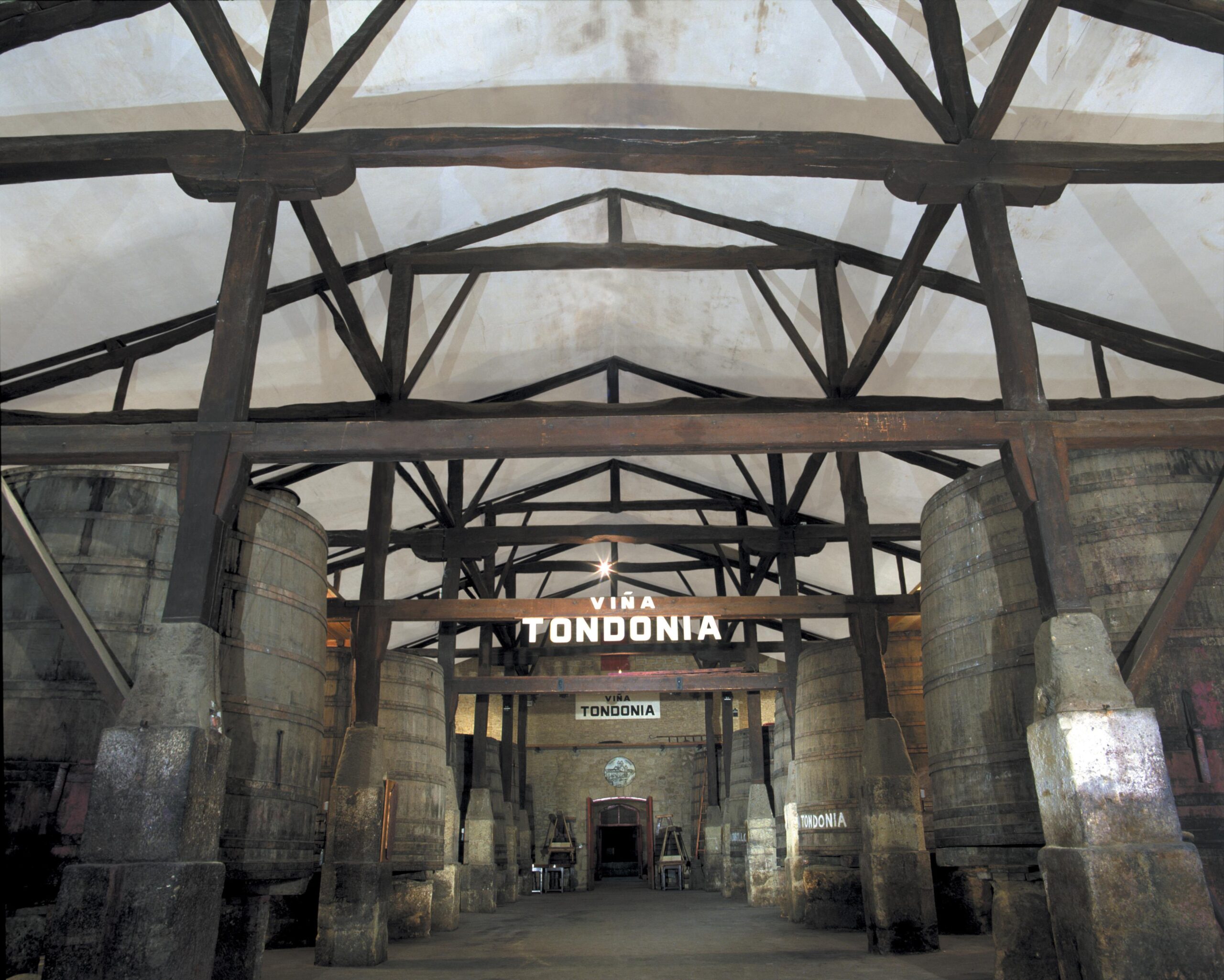
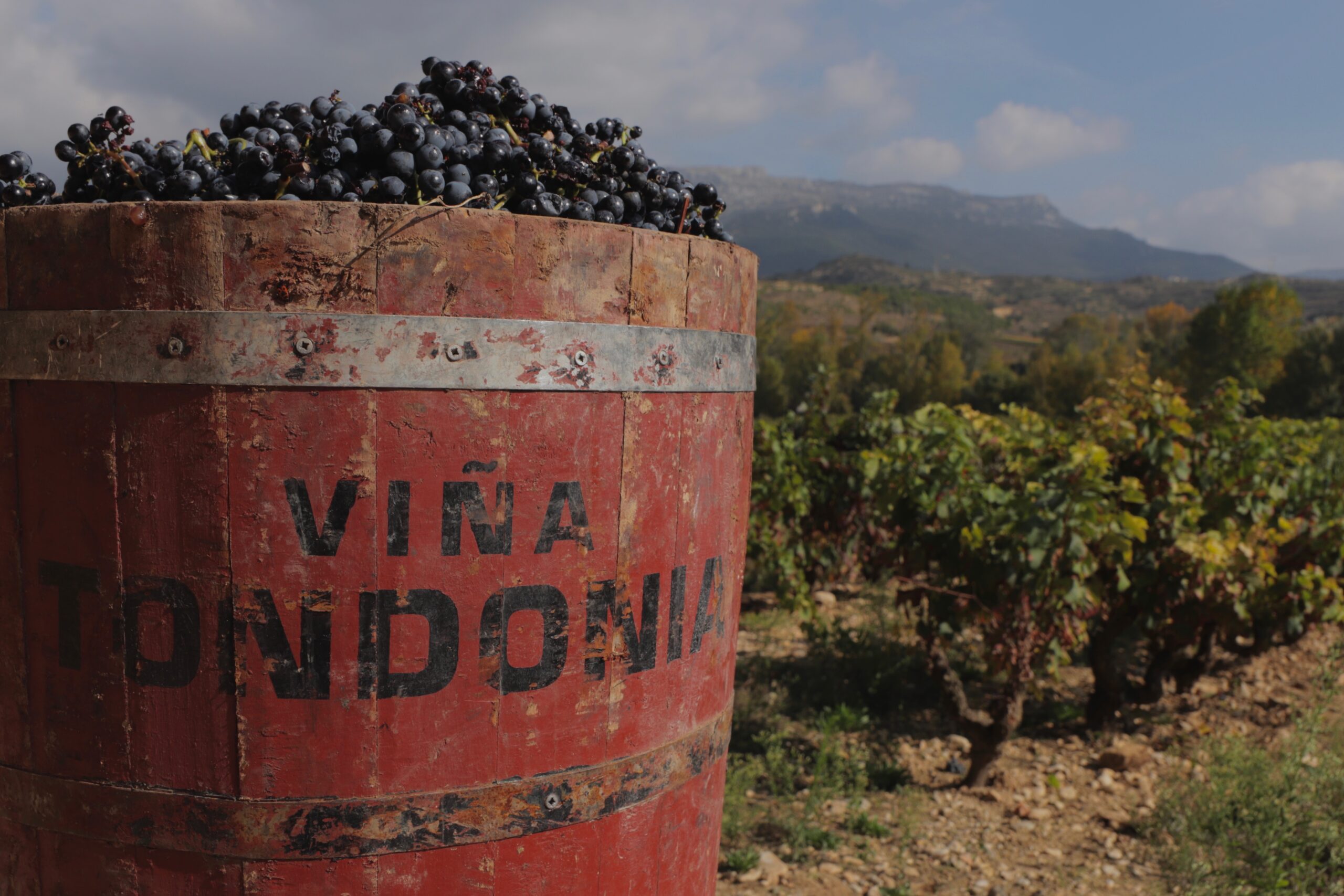
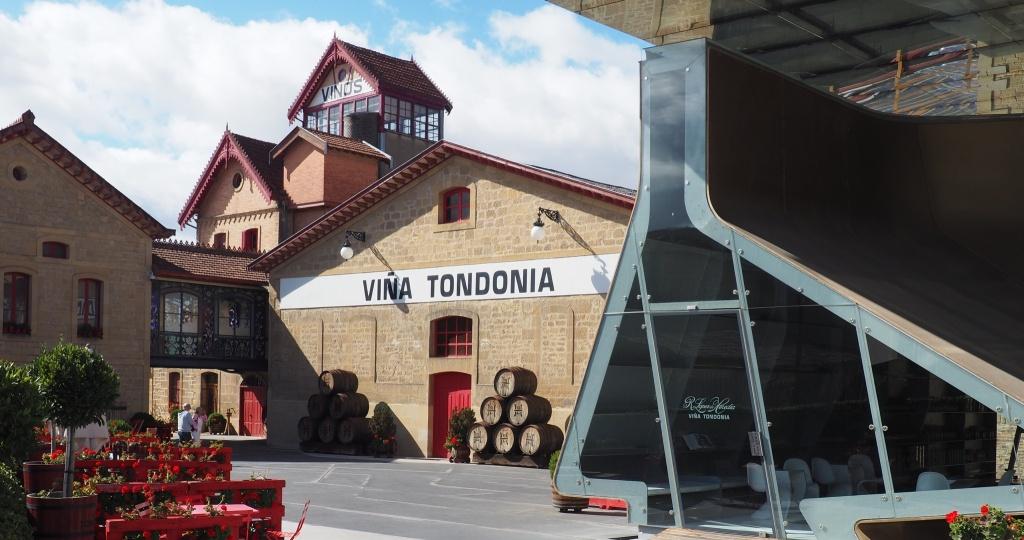
- R. López de Heredia Viña Tondonia (Haro): The Triumph of Eternity
Architecture and Vibe: Entering López de Heredia, in the legendary Station District of Haro, is crossing a threshold into the 19th century. Forget modern minimalism. Here, industrial romanticism reigns supreme. The “vibe” is one of anachronistic and defiant elegance. The first thing that strikes you is the contrast: a tasting pavilion designed by Zaha Hadid—a futuristic structure resembling a glass decanter—that embraces the original carved wood shop. It is the future protecting the past.
The Experience: The descent into their calados (underground cellars) is, literally, descending into the bowels of time. The walls are covered by a white, almost velvety mold that maintains the perfect humidity. Sound disappears here; only the echo of water droplets and the aroma of old oak and truffles remain. You will see barrels that have been there since the world was another place. There are no computers controlling the temperature; there is accumulated wisdom and the pride of a family that refuses to use commercial yeasts.
The Star Wine: Viña Tondonia Gran Reserva: In a vertical tasting, this wine reveals itself as liquid velvet. Its color is a ruby with onion-skin reflections, a sign of its noble age. On the nose, it is a feast of tertiary notes: old leather, cigar boxes, wilted rose petals, and a touch of vanilla that doesn’t shout, but whispers. In the mouth, it is infinite silk; the acidity is so vibrant that it makes you forget the wine could be 20 or 30 years old.
The Wow Factor: Their own cooperage. They are among the few in the world who still manufacture and repair their own barrels by hand. Watching the master cooper work the wood is like witnessing a sacred craft that the rest of the world has forgotten.


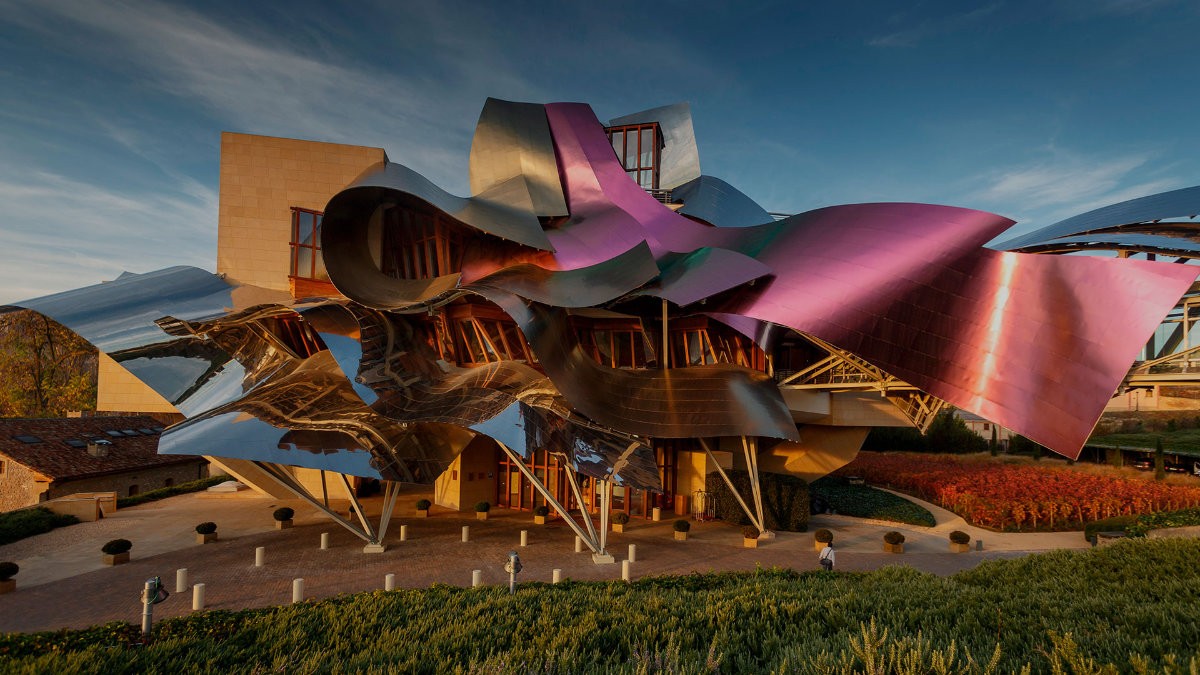
- Marqués de Riscal (Elciego): The Titanium Dream
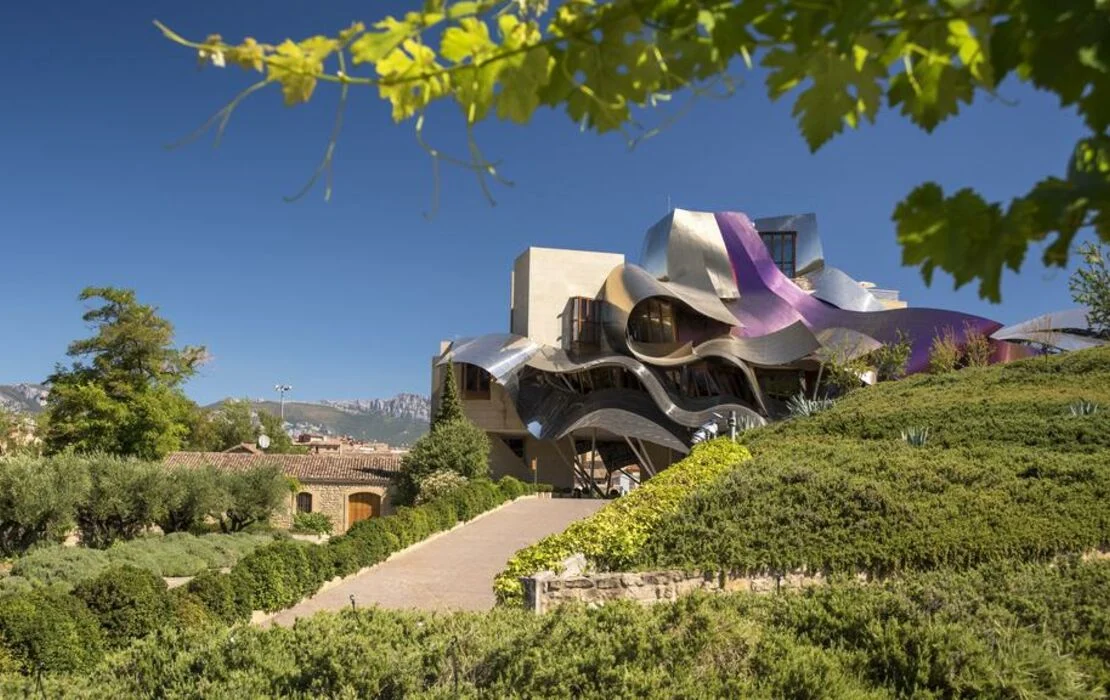
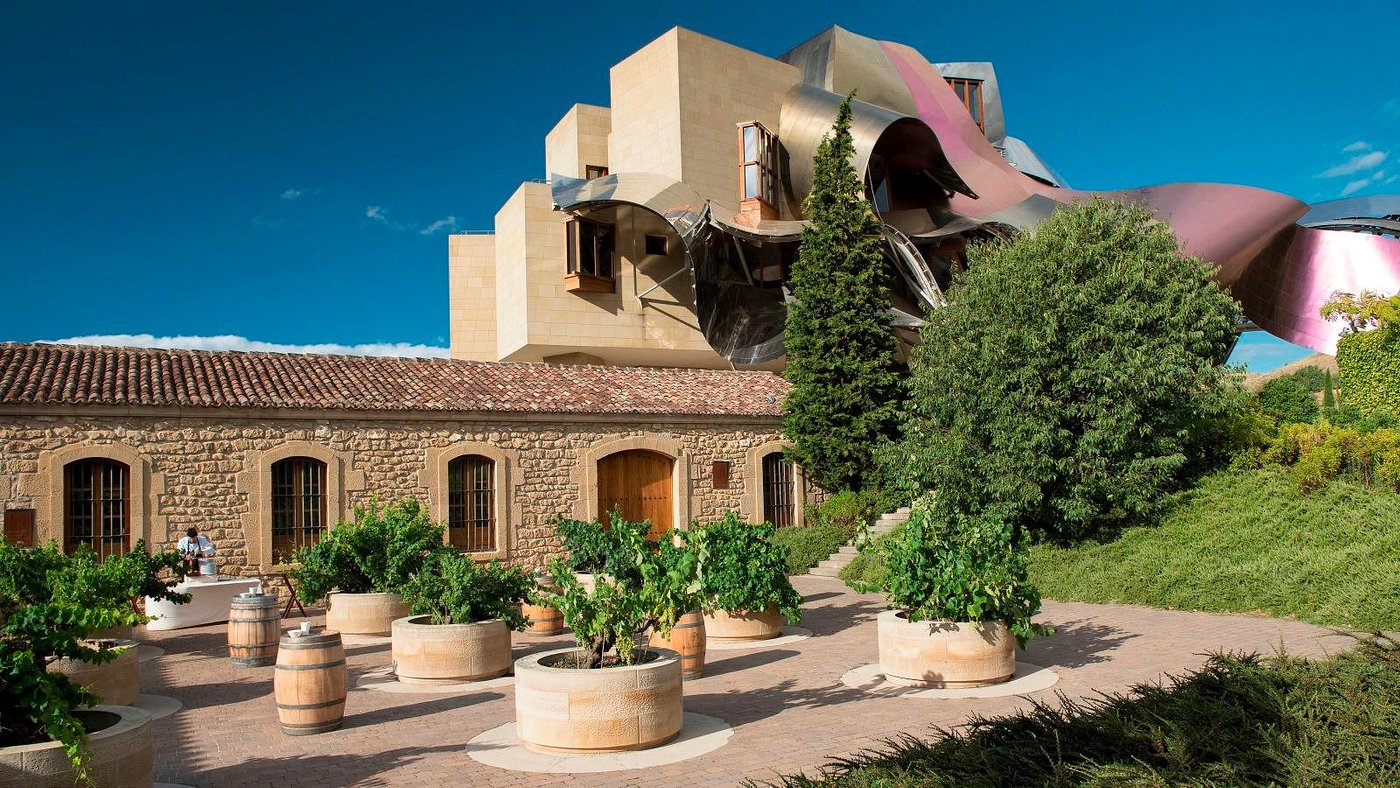
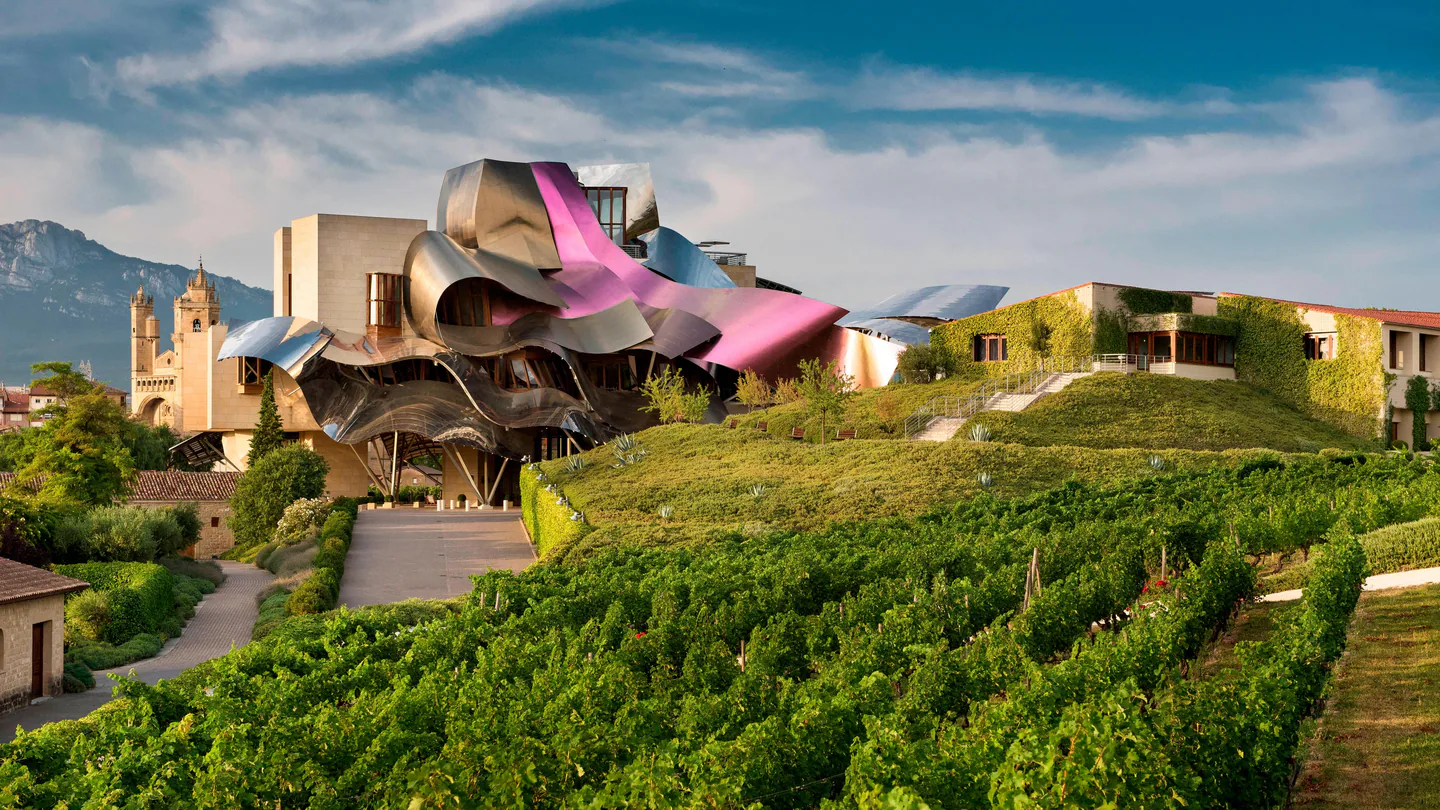
Architecture and Vibe: If López de Heredia is tradition, Marqués de Riscal is the explosion of the future. The hotel and winery designed by Frank Gehry dominates the landscape of the village of Elciego with its titanium ribbons in shades of pink, gold, and silver (representing wine, the bottle mesh, and the capsule). It is a habitable sculpture that seems to float over the century-old vineyards. The atmosphere is purely cosmopolitan, a luxury that does not apologize for being audacious.
The Experience: Walking through “The City of Wine” is a total sensory experience. After the visual impact of the avant-garde architecture, you enter the “1860 Winery,” a masonry gem housing the world’s largest collection of vintage bottles. The contrast between the titanium exterior and the ancient stone interior is the epitome of modern Rioja.
The Star Wine: Barón de Chirel: This wine is an ode to elegant power. If we taste it, we will find intense notes of ripe black fruits, high-quality French oak toasts, and a mineral background reminiscent of graphite and dawn in the countryside. It is a structured wine, with a body that fills the mouth but bids farewell with surprising freshness.
The Wow Factor: “The Cathedral.” It is a bottle library containing every vintage produced by the winery since its first harvest in 1862. It is not open to the general public, but for the premium client, beholding those dust-covered bottles is like standing before the Dead Sea Scrolls of wine.



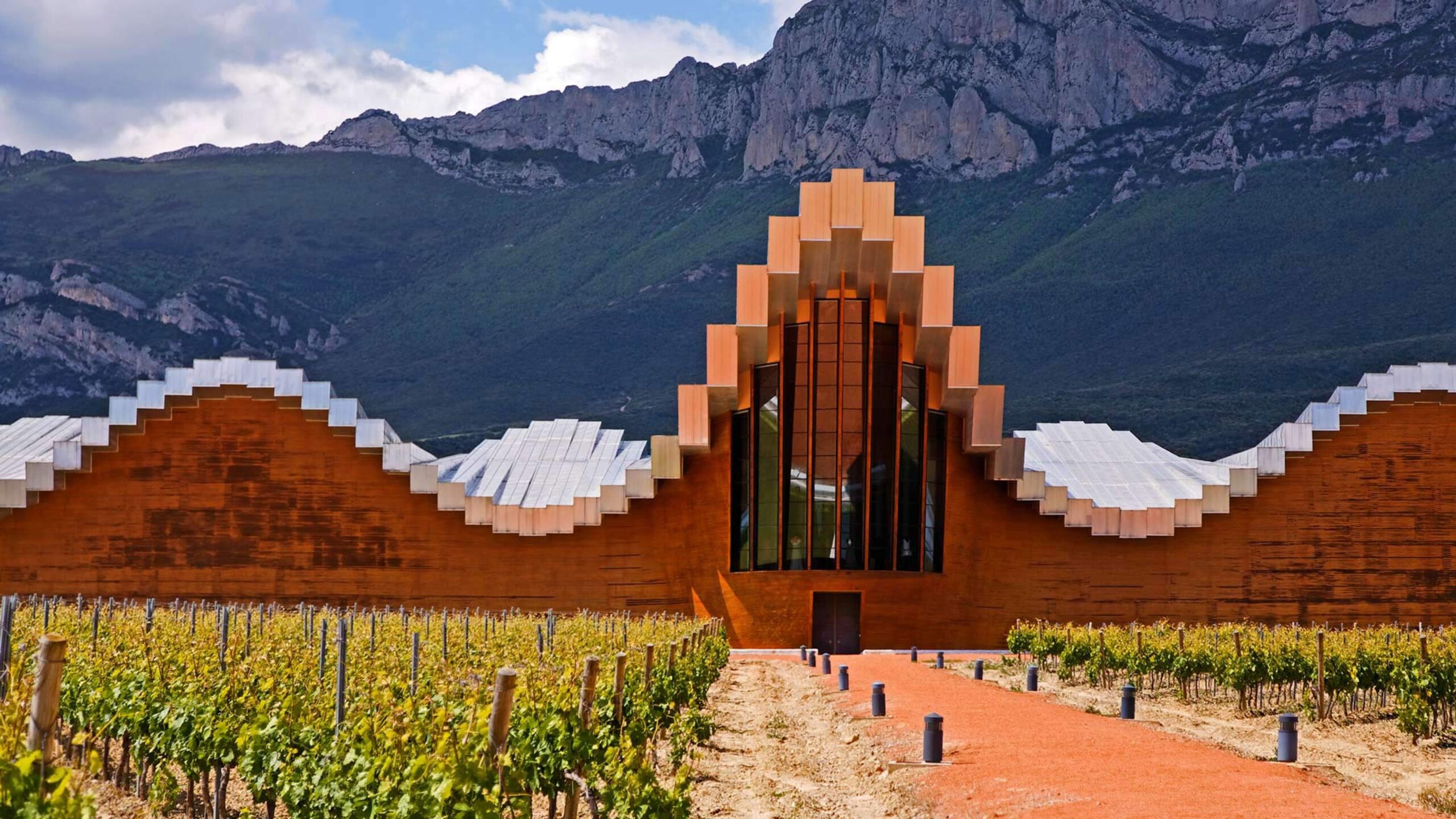

- Bodegas Ysios (Laguardia): The Wave of the Gods
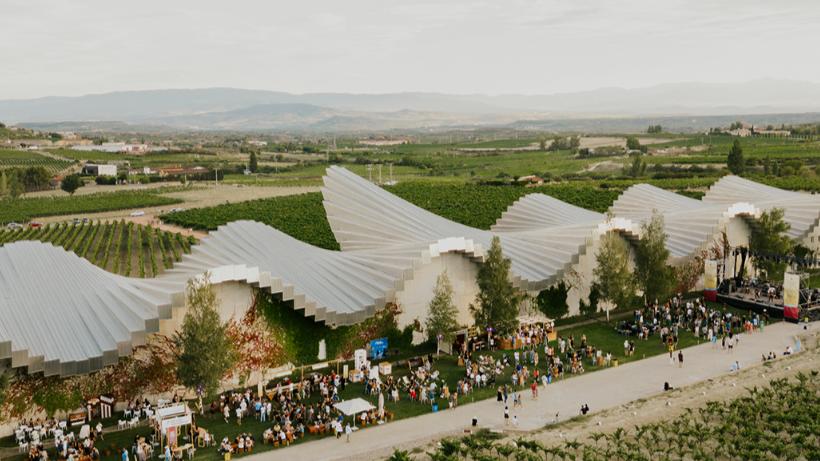
Architecture and Vibe: Located at the foot of the Sierra de Cantabria, the winery designed by Santiago Calatrava is a masterpiece of organic mimicry. Its aluminum and cedar wood roof draws a wavy silhouette that mimics the mountain peaks behind it. The atmosphere here is one of absolute serenity. It is a “boutique winery” focused on exclusivity and detail.
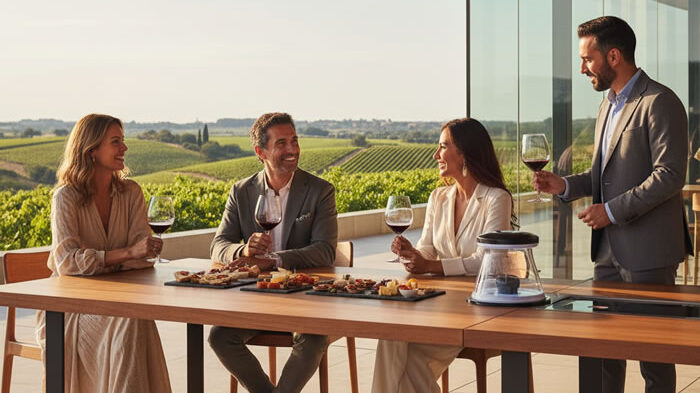
The Experience: The visit focuses on purity. There are no large crowds. It is an immersion in precision viticulture. The culminating moment occurs in its glass-walled tasting room, offering a 180-degree panoramic view over the vineyards and the medieval village of Laguardia. The sound of the cork popping here, surrounded by such linear and clean design, feels like a perfect musical note.
The Star Wine: Ysios Grano a Grano: This wine is pure goldsmithing. Crafted with a manual selection of each individual grape berry, it offers sublime aromatic concentration. Notes of wild blackberries, liquorice, and a very marked chalky minerality. It is a wine that dances on the palate, light yet with a persistence that seems never to end.
The Wow Factor: Private dinners among the vineyards under the full moon. The winery organizes gastronomic experiences where the table is literally set among the vines, allowing you to dine with Calatrava’s architecture illuminated in the background, creating a setting straight out of a Fellini film.
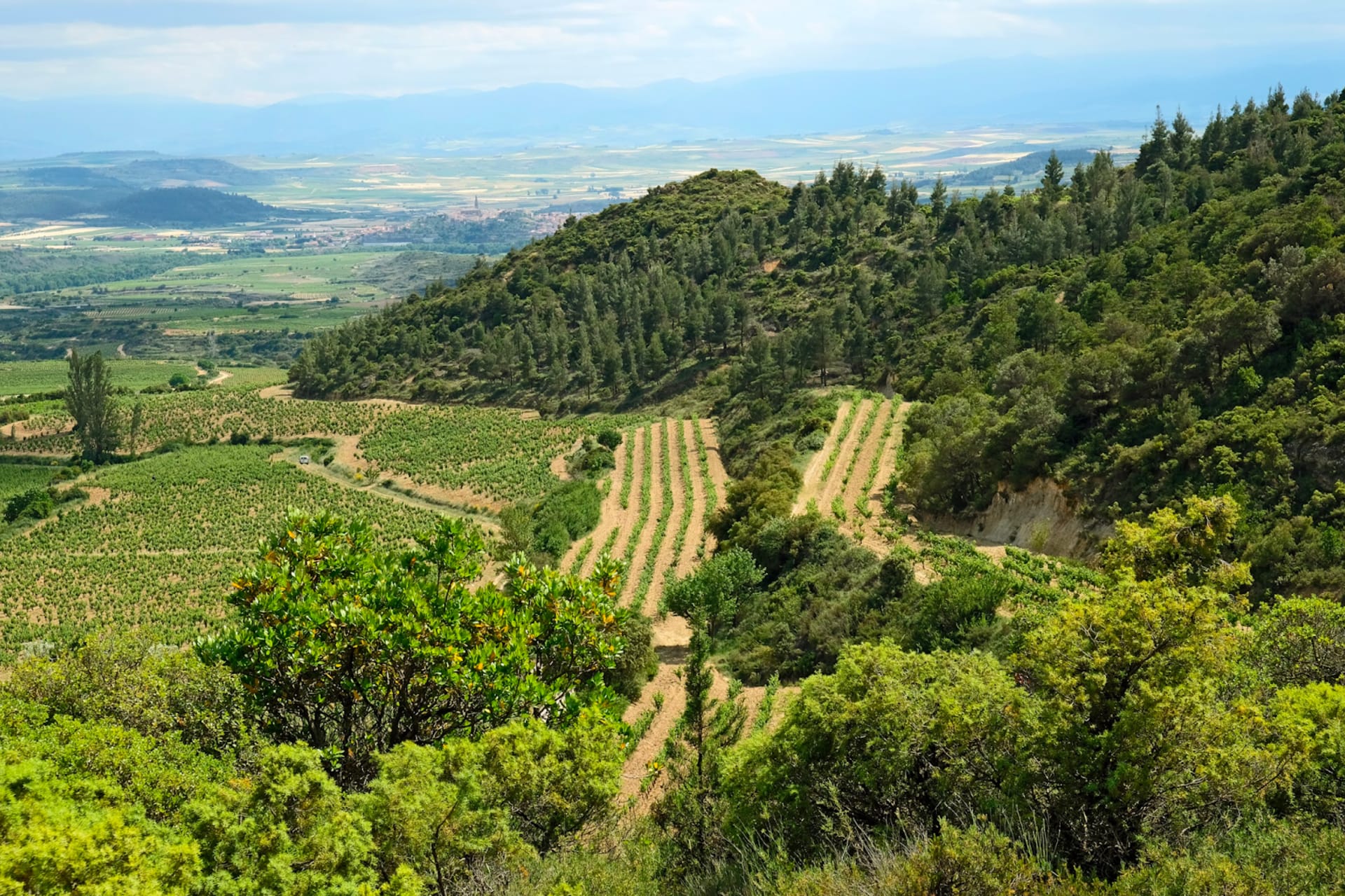
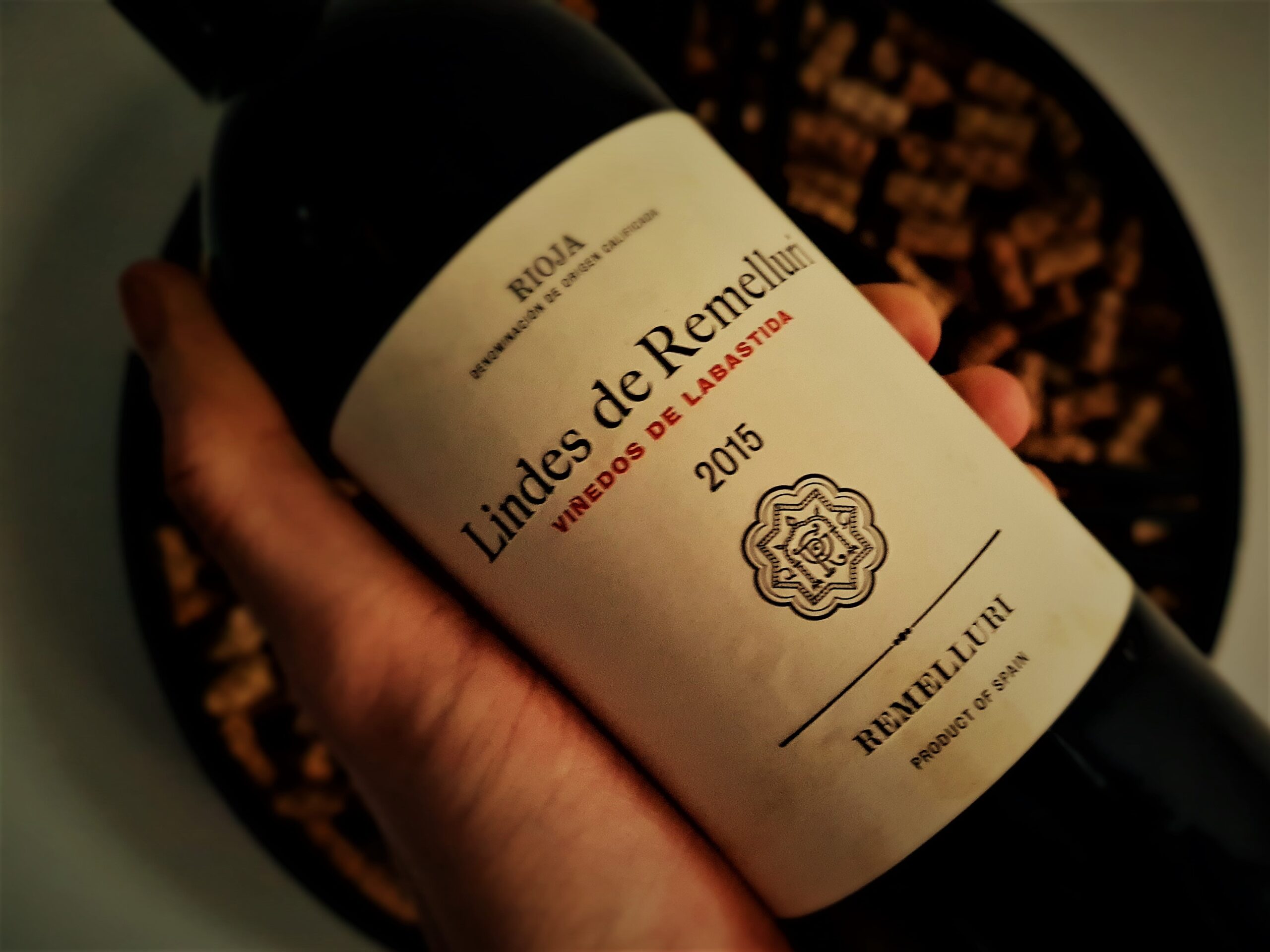


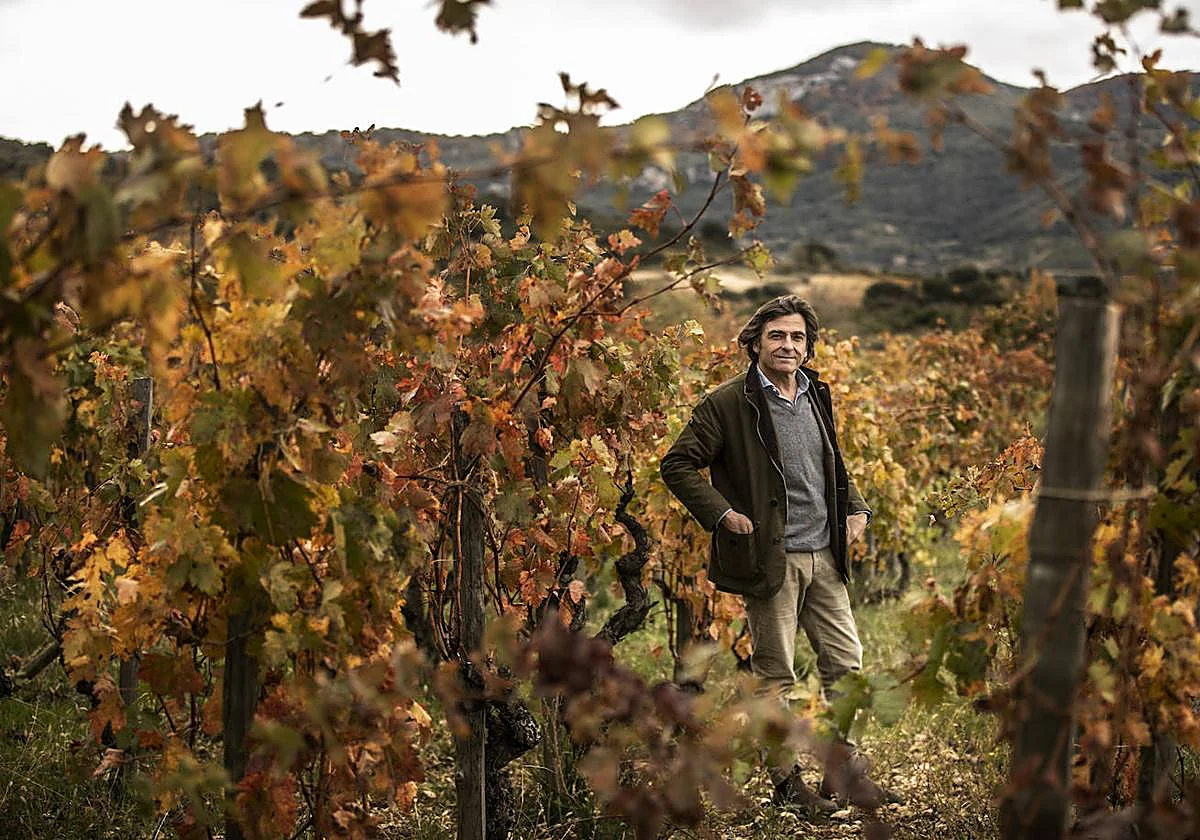

- Remelluri (Labastida): The Mysticism of the Landscape
Architecture and Vibe: Owned by the Rodríguez family (with the genius Telmo Rodríguez at the helm), Remelluri is a historic farm dating back to the 14th century. The “vibe” is monastic, mystical, and deeply linked to the land. It is not a pretentious winery; it is an estate that breathes authenticity. The architecture is that of an ancient monastery surrounded by a natural amphitheater of vineyards.
The Experience: Walking through Remelluri is a spiritual hike. You visit ancient wine presses carved into living rock where monks made wine 600 years ago. The tasting takes place in a hall that smells of a fireplace, history, and honesty. It is the perfect place for those seeking the soul of wine without artifice.
The Star Wine: Remelluri Reserva: A wine that tastes like the landscape of Labastida. It has notes of aromatic herbs, rosemary, rockrose, and very pure red fruit. It is not a wine that seeks to impress with power, but with its aristocratic balance and its ability to tell the story of a single estate.
The Wow Factor: The hermitage of Santa Sabina, located at the top of the property. A place of absolute peace from which the entire Ebro valley can be surveyed. It is the spot where, after a glass of wine, one finally understands why this land is sacred.
The Feast of the Gods: Ritual Gastronomy
In this region, eating is not a physiological necessity; it is a religious experience that requires time and an almost spiritual disposition. The cuisine of these villages is a monument to the product.
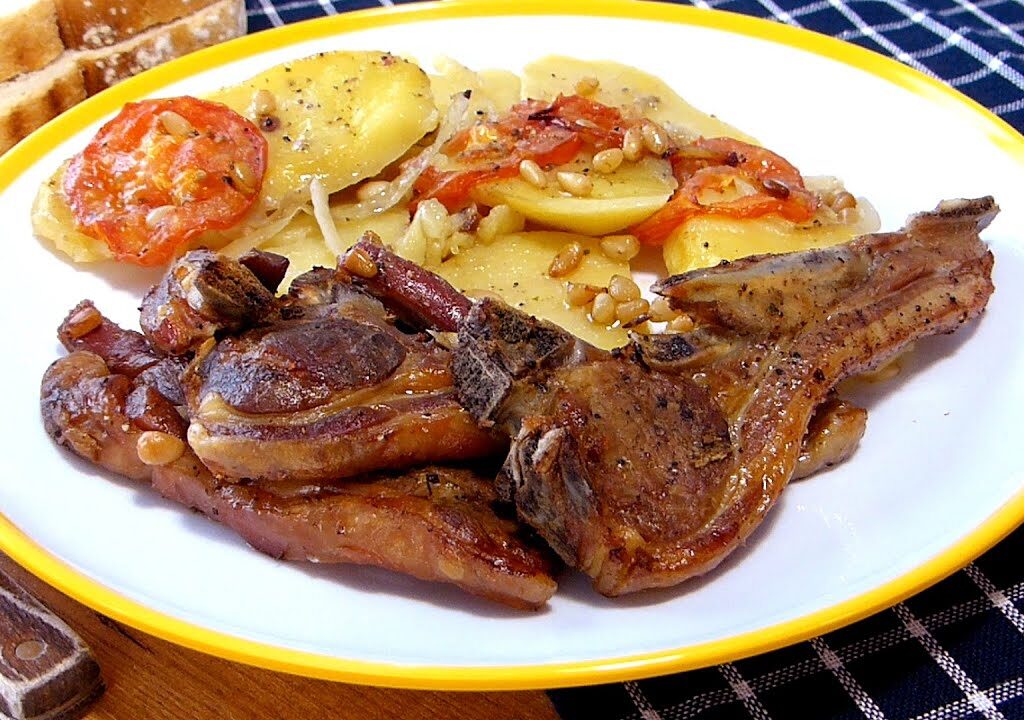
You cannot leave without trying the chuletillas al sarmiento (lamb chops over vine shoots). Do not be mistaken: this is no simple barbecue. They are roasted over the embers of the sarmientos (the dry branches of the vine), which imparts a smoky aroma and an essence of the vineyard that is impossible to replicate in a conventional kitchen. It is the flavor of fire and earth.
The pimientos del cristal (crystal peppers), roasted and peeled by hand one by one, have a silken texture that melts on the tongue—a perfect pairing with barrel-aged Viura whites. And, of course, the pochas a la riojana; legumes so fine they are easily confused with butter.
For star-seekers, the area boasts temples like Venta Moncalvillo or El Portal de Echaurren, where chefs play with tradition to create dishes that are pure visual poetry, always with wine as the backbone of existence.
VIP Survival Guide: The Art of Exclusivity
To navigate this Eden with the distinction it deserves, forget conventional tourist maps. Rioja is discovered in private.
- Logistics: Rent a vehicle with a private chauffeur or, better yet, request a helicopter transfer between wineries to admire Gehry and Calatrava’s designs from the air. You will not only save time, but the perspective of the valley is unparalleled.
- Reservations: “Premium” or “Privée” experiences in wineries like López de Heredia or Riscal must be booked months in advance. Ask for access to the historic cellars not open to the general public; that is where the true magic happens.
- Timing: The best time is the harvest (September-October) for the bustle and color, but if you seek the solitude of genius, winter offers landscapes of naked vineyards under the mist that are of exquisite melancholic beauty.
- Accommodation: Stay at the Marqués de Riscal hotel or in converted palaces in Samaniego. Always look for a room with views of the Sierra; the sunrise there is the best sedative for the soul.
Are you ready for your palate to rewrite its own history? Rioja Alavesa and its villages are not just a destination; they are a state of mind. If you would like me to design a personalized seven-day itinerary with exclusive access to the private vaults of these 12 villages, you only have to ask. Salud.