The Overture: Mist, Mud, and the First Ray of Light
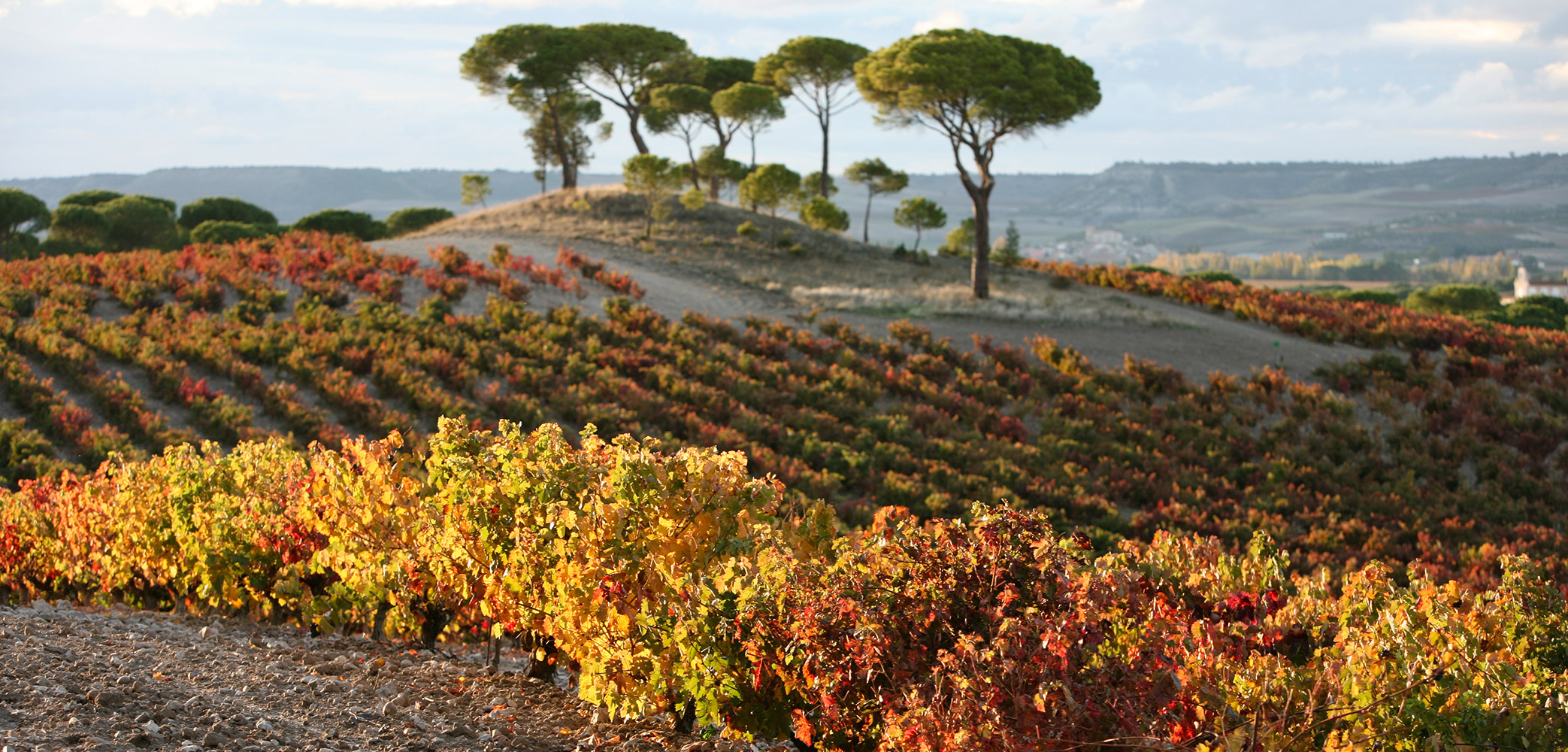
The Duero does not flow; it breathes. At dawn, a dense, silvery mist clings to the vines as if refusing to let go of the secrets of the night. It is that precise moment when the biting cold of the Castilian plateau nips at your cheeks, yet the aroma rising from the earth—an intoxicating blend of wet clay, wild thyme, and the whispered promise of slow fermentation—reminds you that you are standing on sacred ground. This is not merely a landscape; it is a living organism that has dictated the pulse of history for centuries.
For the traveler arriving at IMEX in search of the next great frontier in luxury incentives, this setting is the answer. Forget PowerPoint presentations in air-conditioned rooms under flickering fluorescent lights. True success in business, much like in viticulture, lies in the ability to read the terrain. When we say that local knowledge in 12 key markets is the differentiating factor at a trade fair like IMEX, we are talking about the difference between ordering “a glass of red” and knowing exactly which plot on a south-facing slope produced that liquid velvet resting in your glass.
This route is not just an itinerary; it is a Mecca for the senses. It is where avant-garde architecture defies gravity just as a great Gran Reserva defies time. Here, luxury isn’t something you buy; it’s something you decode. As the sun begins to pierce the fog, revealing endless rows of twisted vines that look like the hands of giants emerging from the soil, there is a promise in the air: the promise of a perfect glass of wine that tastes not just of grapes, but of history, resilience, and that local wisdom only the initiated possess. Welcome to the epicenter of the authentic.
The Soul of the Land: A Terroir with the Character of a Novel
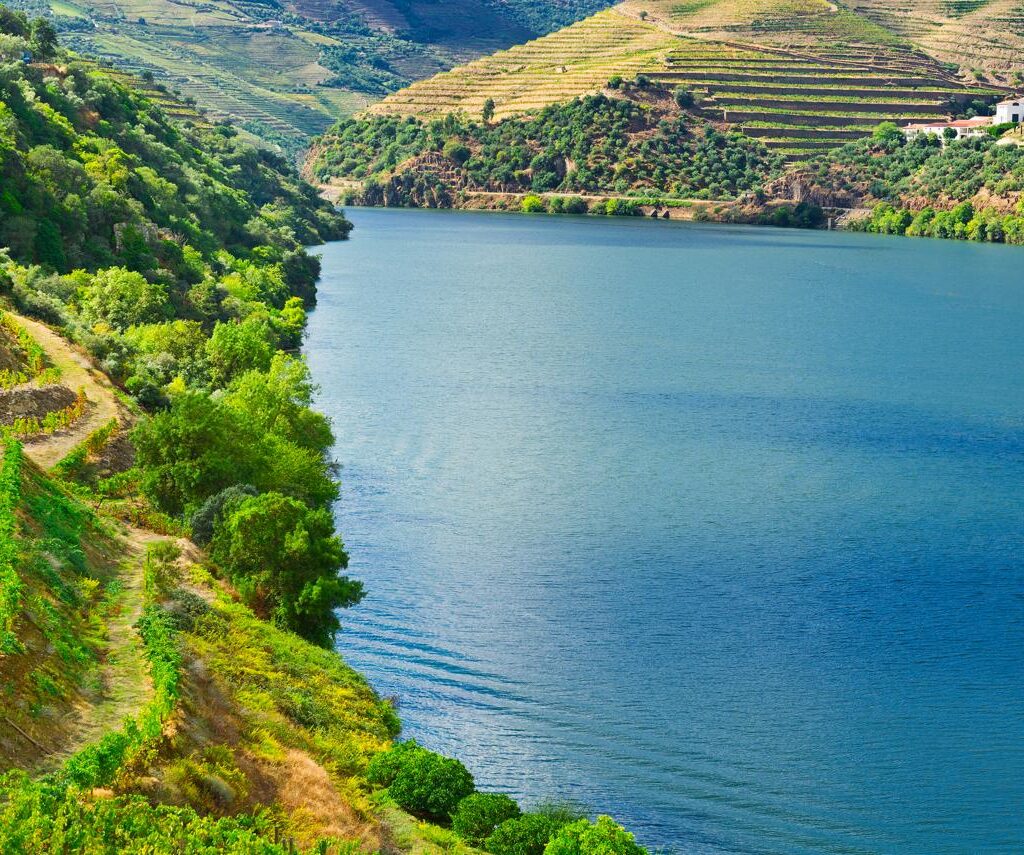
If Terroir were a literary character, it would be one of those complex Dostoevskian protagonists: tormented, extreme, yet possessed of an unshakeable nobility. In this region, geography is not a technical data point; it is destiny. We are facing an altitude that defies logic, where grapes battle a climate that locals define with dark humor as “nine months of winter and three of hell.”
The soil is the narrator. A chaotic mix of white limestone reflecting the light, clays that hold onto life, and alluvial deposits that have traveled with the river for millennia. This is the home of the Tempranillo grape (or Fino de la Ribera), an iron lady that has learned to concentrate its entire essence into small, potent berries to survive spring frosts and the scorching August sun.
But the climate is the true antagonist. Thermal oscillations of up to 20 degrees Celsius between day and night are the secret behind that vibrant acidity that keeps the wine youthful while others have already surrendered. To understand this is to understand why local knowledge is vital. At IMEX, many will sell destinations; few will know how to explain why the wind blowing down from the mountain at three in the afternoon is responsible for the elegance of a single-estate wine. Knowing these “micro-moments” is what transforms a business trip into a religious experience. The soul of this region isn’t found on maps, but in the capacity to interpret the silence of its valleys.
Cathedrals of the 21st Century and Underground Secrets: The Deep Dive
To understand the magnitude of luxury in this region, we must pilgrimage to its temples. I have selected four mandatory stops where local knowledge translates into experiences that defy the imagination.
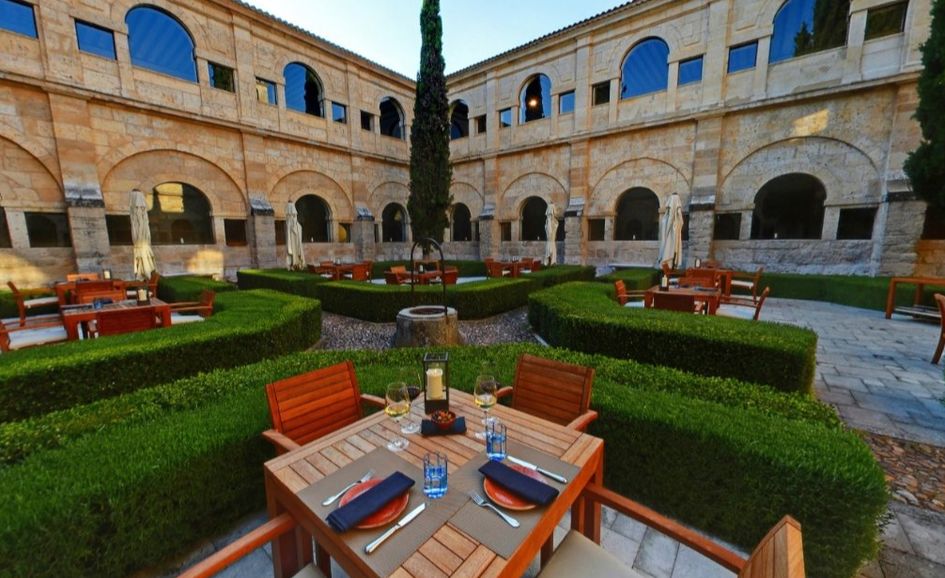
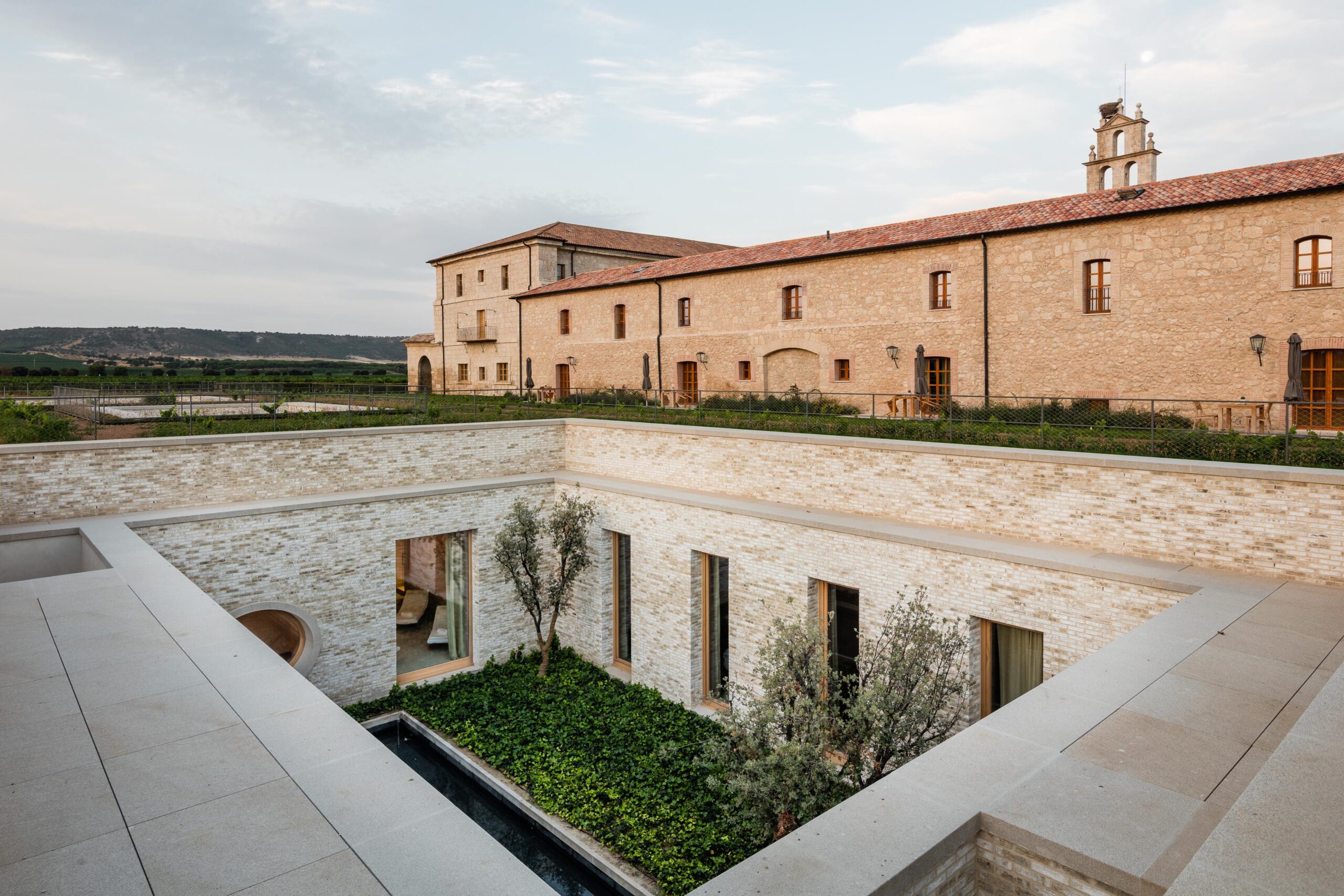
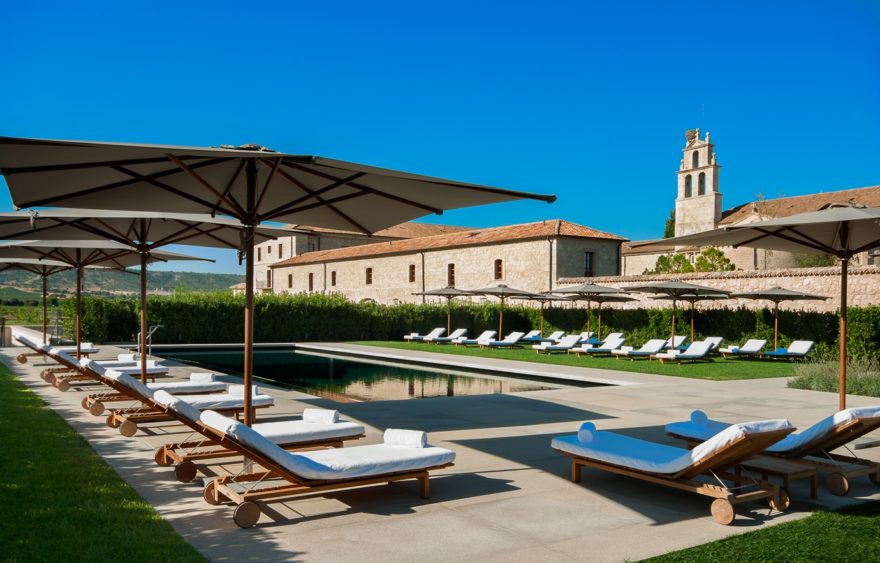
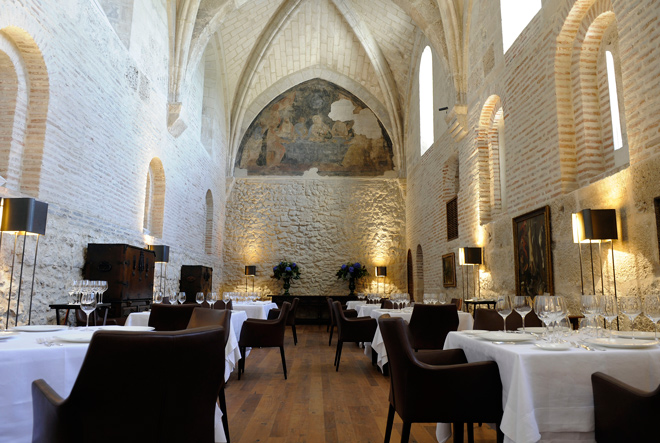
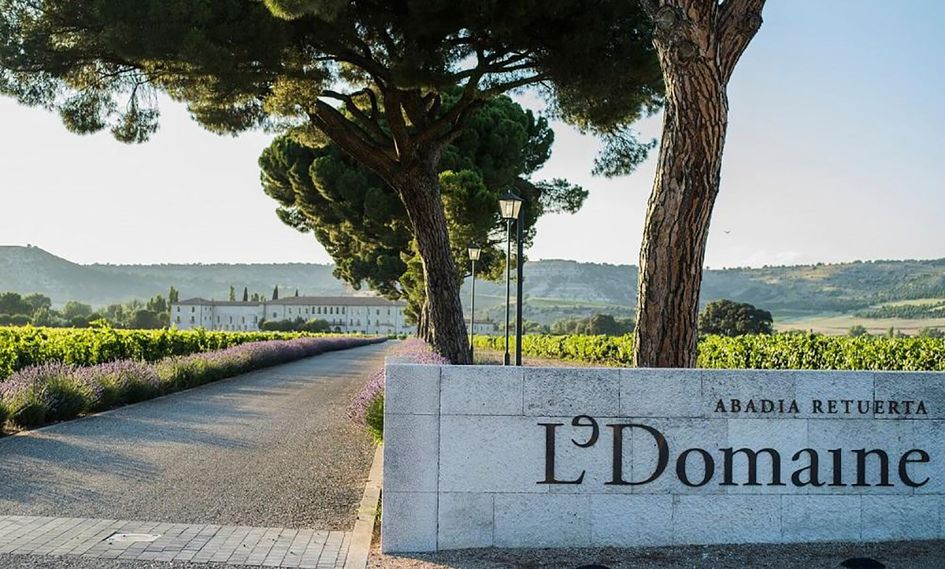
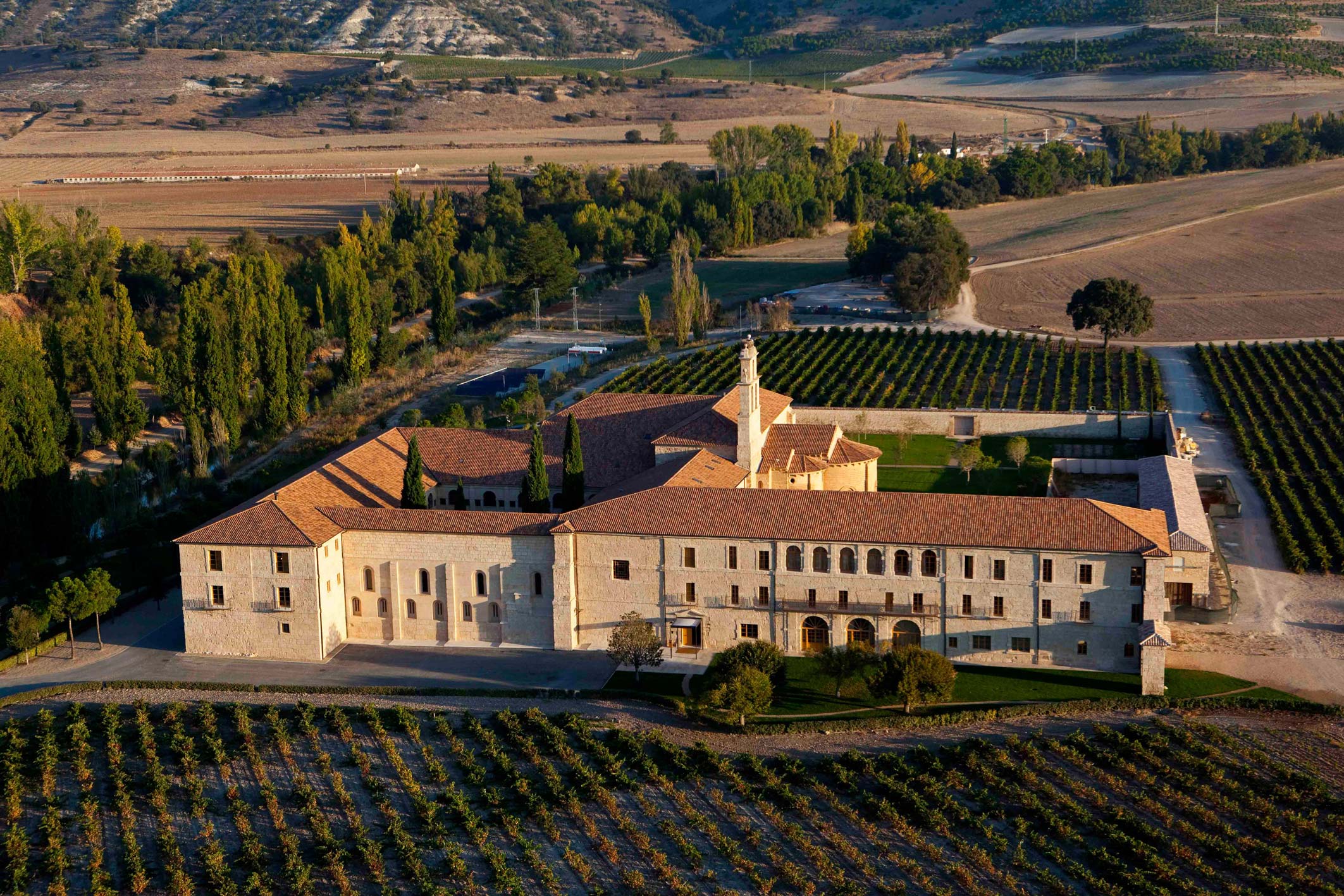
Architecture and Vibe This is not just a winery; it is a 12th-century Premonstratensian monastery restored with surgical precision to become the epitome of hospitable luxury. Imagine stone walls that have listened to prayers for eight hundred years, now housing a boutique hotel and a world-class winery. The vibe is one of reverential silence, interrupted only by the subtle clinking of Bohemian crystal glasses. It is the place where the medieval past embraces 21st-century comfort without a single friction point.
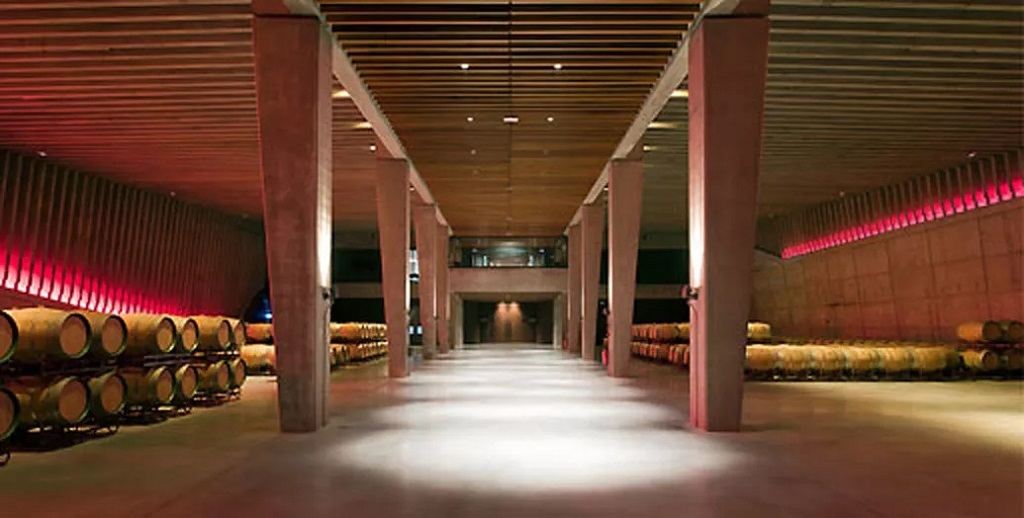
The Wine Tourism Experience Here, the concept of a “visit” falls short. The experience begins with a 4×4 tour through the estate’s various pagos (estates), allowing you to feel the difference in temperature and soil beneath your feet. But the climax occurs upon descending into the barrel room. The sound of the cork popping in their private tasting room, surrounded by curated art, carries an echo that seems to connect with eternity. The touch of the French oak barrels, smooth and perfectly aligned, is almost erotic to a sommelier.
The Star Wine: Pago Negralada A single-varietal Tempranillo that redefines the word elegance. In a vertical tasting, Negralada presents itself as liquid velvet. Do not just look for black fruit; look for notes of graphite, of sunrise over limestone, and that saline finish that forces you to close your eyes. It is a wine with architectural structure, much like the monastery that birthed it.
The Wow Factor The “Wine Butler” service. No matter where you are on the property—by the pool or in your suite—a private sommelier is at your disposal to pair your moment with the exact bottle from their private collection. An invisible, yet omnipresent luxury.
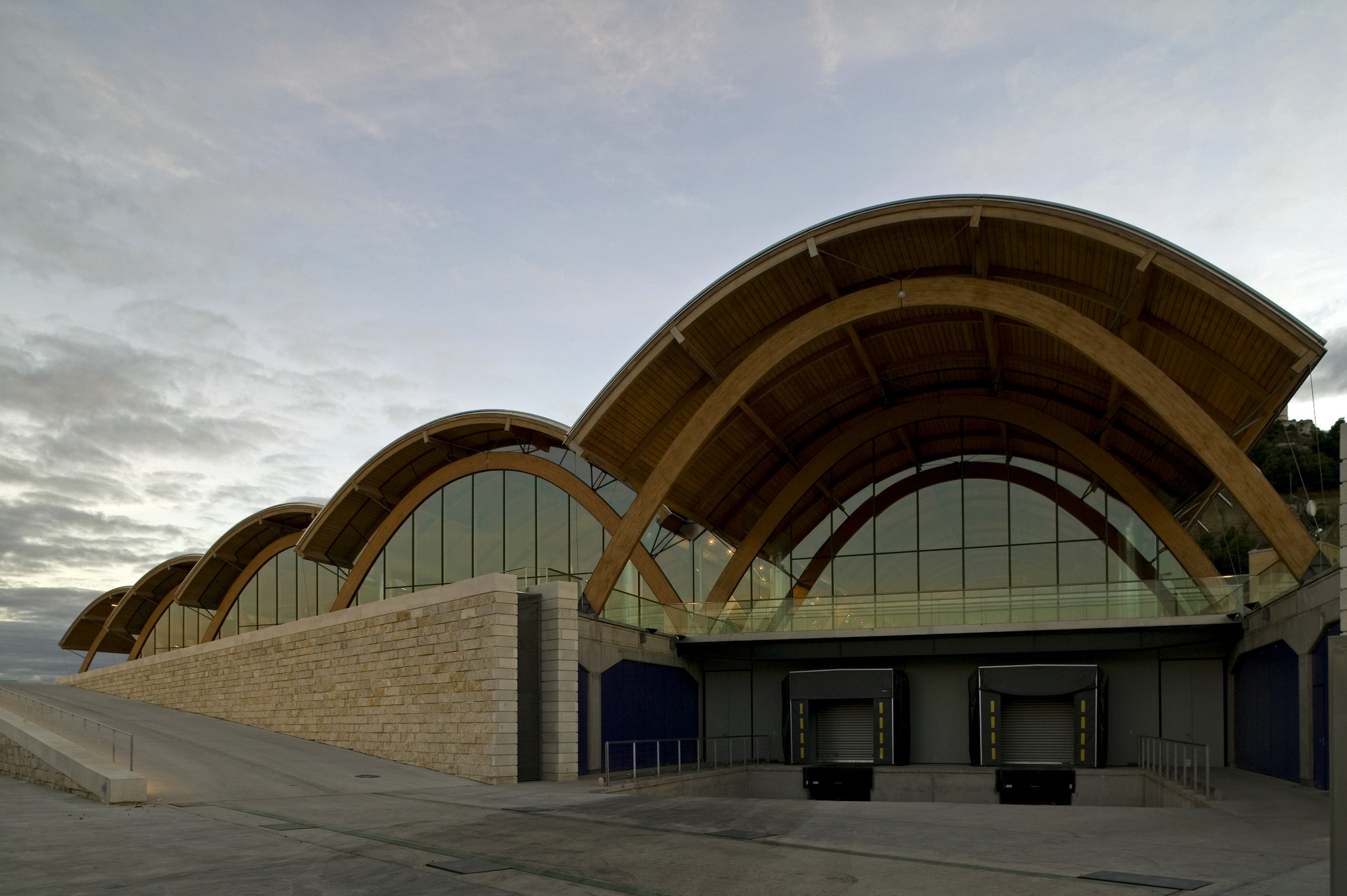
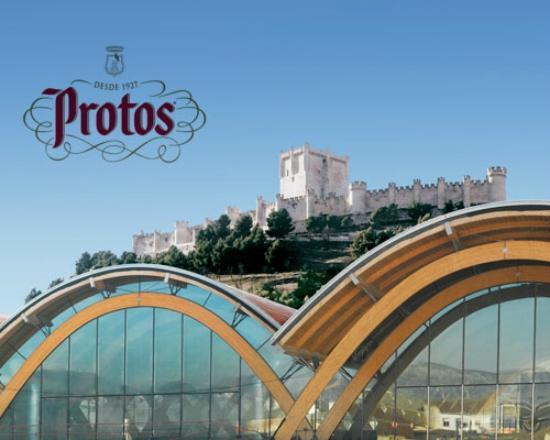
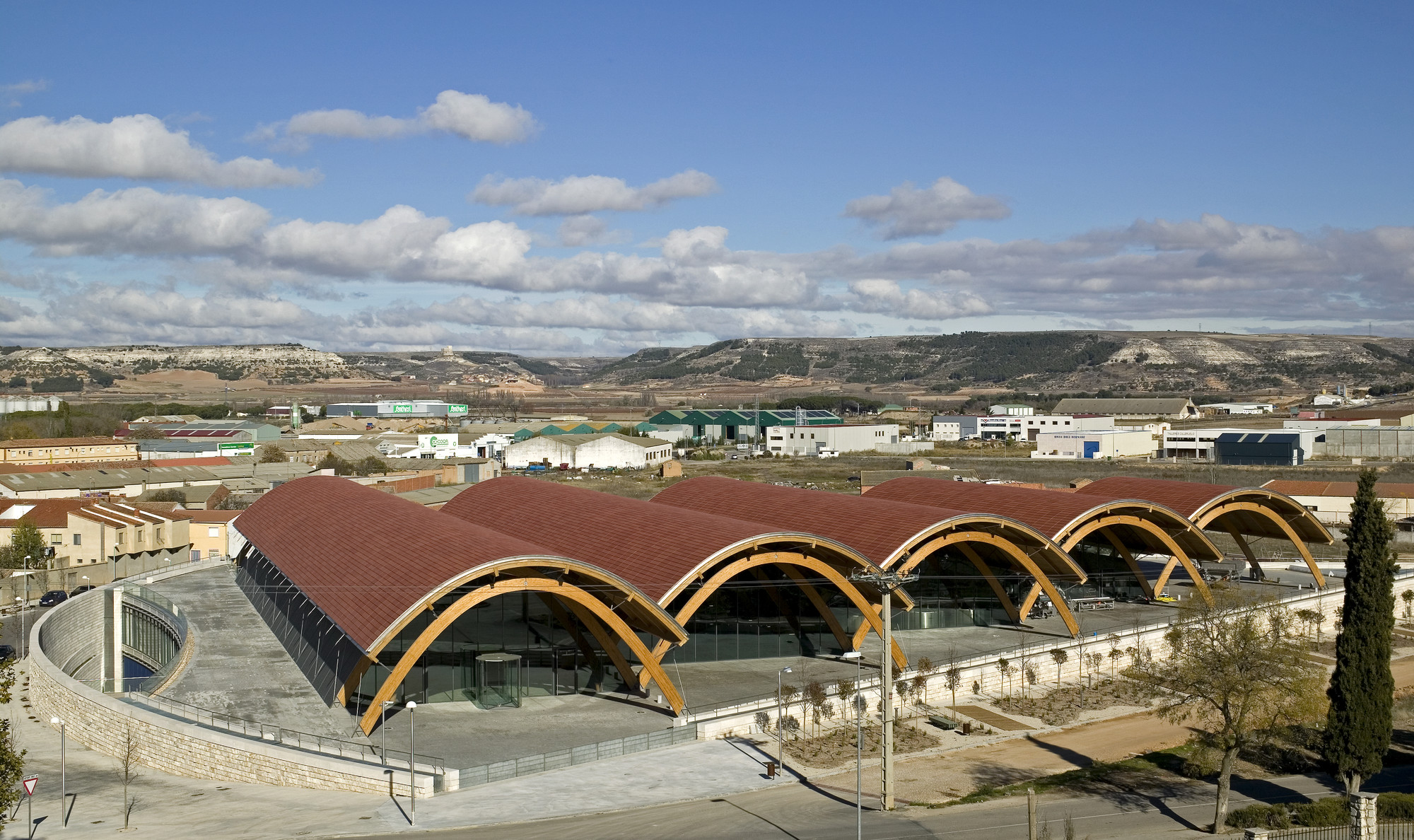
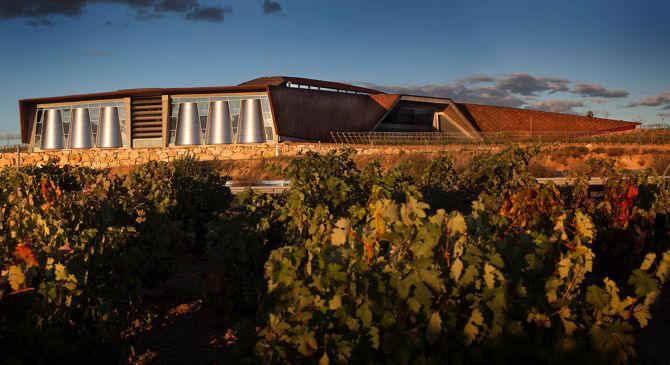
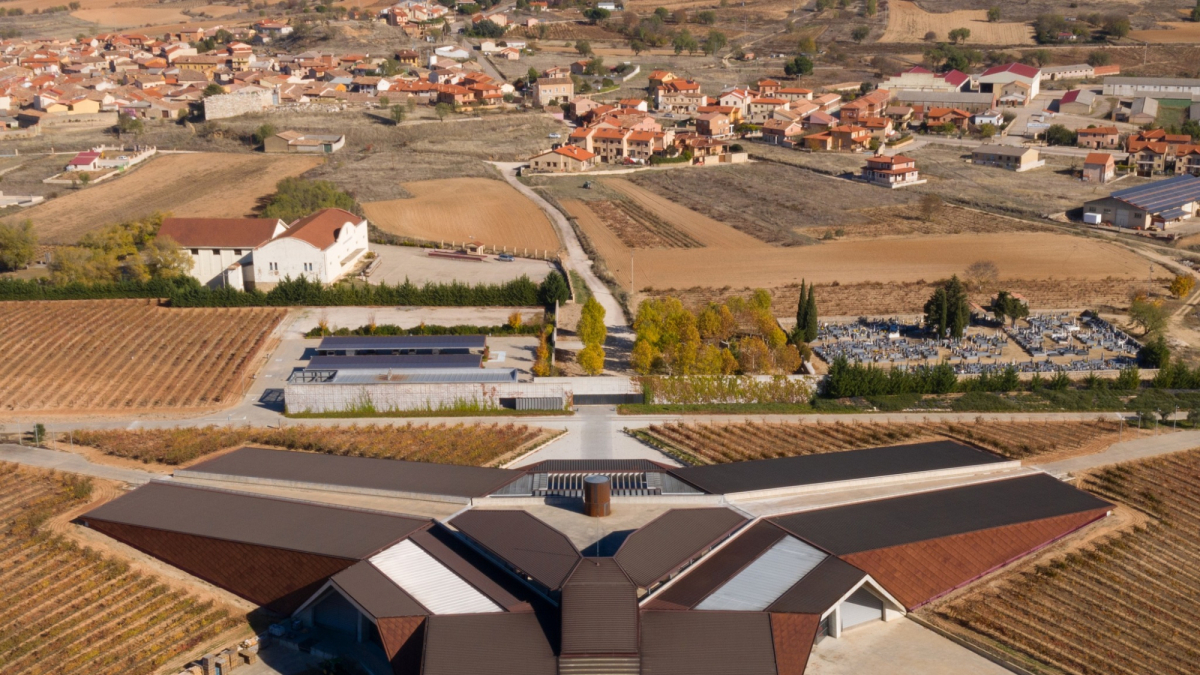
Architecture and Vibe If the Abbey is the past, Protos is the bridge to the future. Designed by the Pritzker Prize-winning Richard Rogers (the genius behind the Pompidou Centre), the winery sits at the foot of the Peñafiel Castle. Its ceramic roofs mimic the surrounding hills, creating a visual harmony that takes your breath away. It is a cathedral of light and design that seems to float above history.
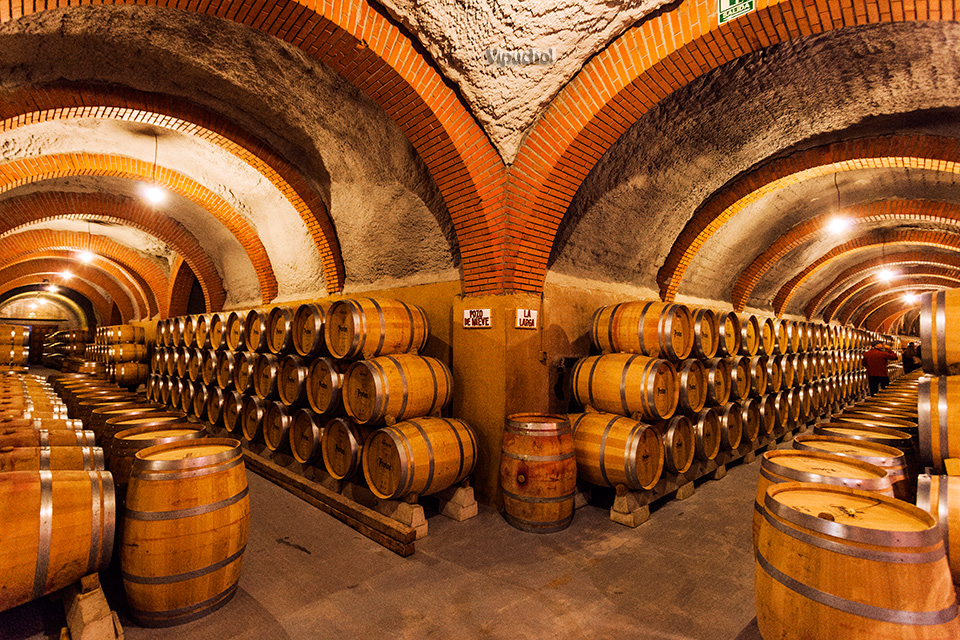
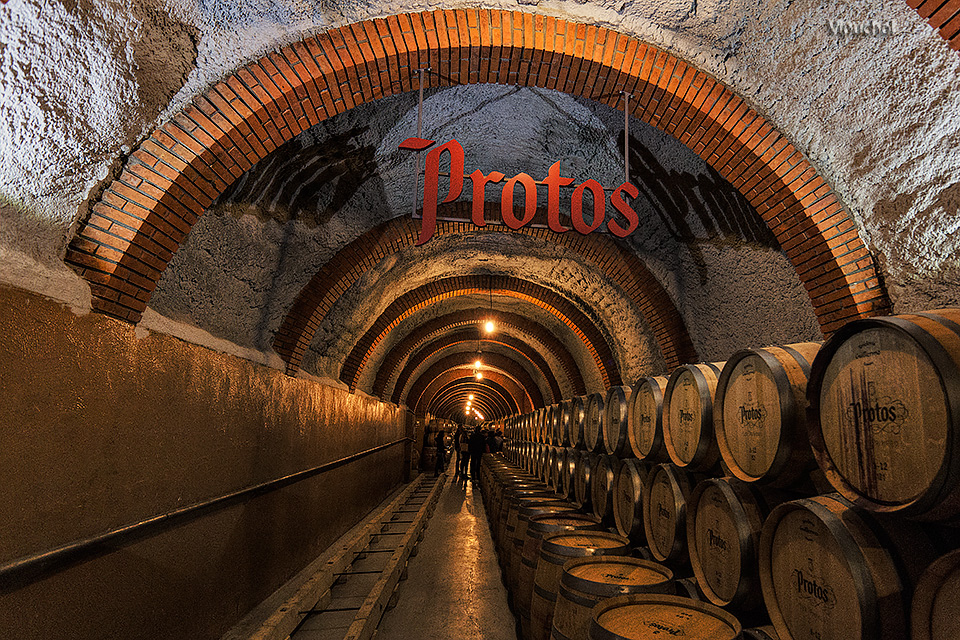
The Wine Tourism Experience The truly epic happens underground. Protos possesses over two kilometers of galleries excavated directly into the castle’s mountain. Descending into these calados (underground cellars) is a journey into the womb of the earth. The air is humid, a constant 12 degrees Celsius, and the aroma of resting wine and old stone is intoxicating. Walking through these tunnels while listening to the history of the region’s first winery is a lesson in humility and vision.
The Star Wine: Protos ’27 A tribute to the founders. It is a wine that exhales power but with a modern sophistication. Notes of sweet spices, fine cocoa, and a hint of the forest after rain. On the palate, it is expansive—an explosion of ripe fruit that settles with infinite persistence.
The Wow Factor The physical connection to the castle. There is a “secret” tunnel that connects the winery visually and spiritually to the medieval fortress. It is the only place in the world where you can taste an avant-garde wine knowing that, exactly above your head, battles were fought that decided the fate of a nation.
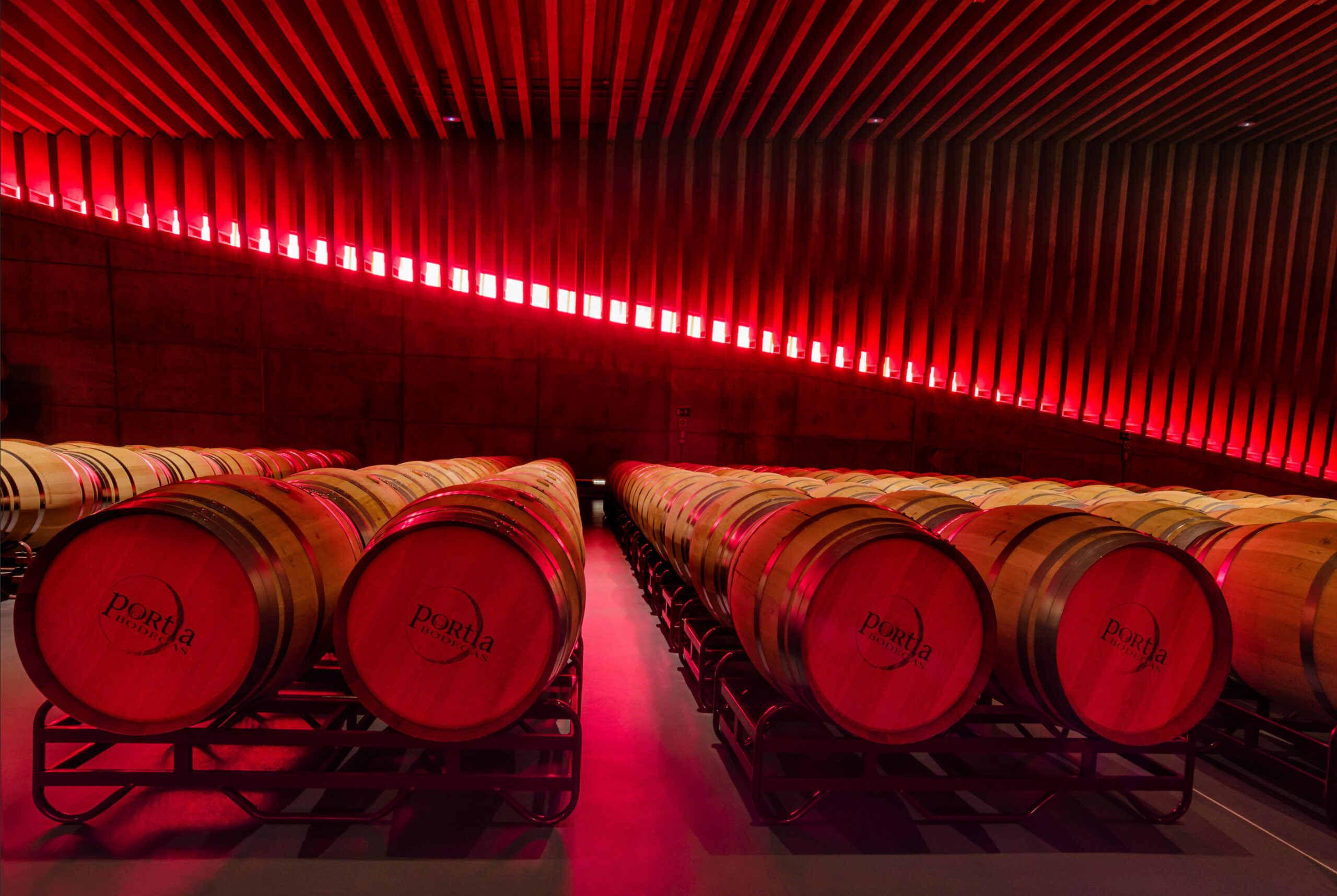
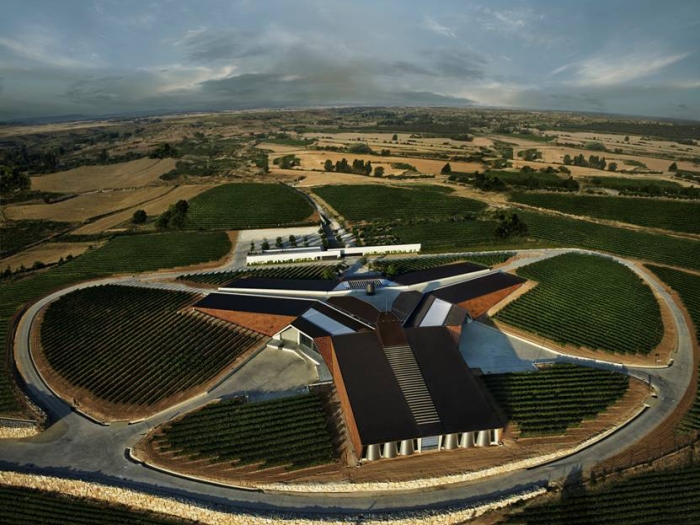
Architecture and Vibe Portia is, quite simply, a statement of intent. Designed by Norman Foster, the winery is shaped like a three-pointed star emerging from the ground like an object fallen from space. The use of steel, glass, and concrete creates an industrial-chic aesthetic that is unique in the world. It is vibrant, bold, and profoundly photogenic.
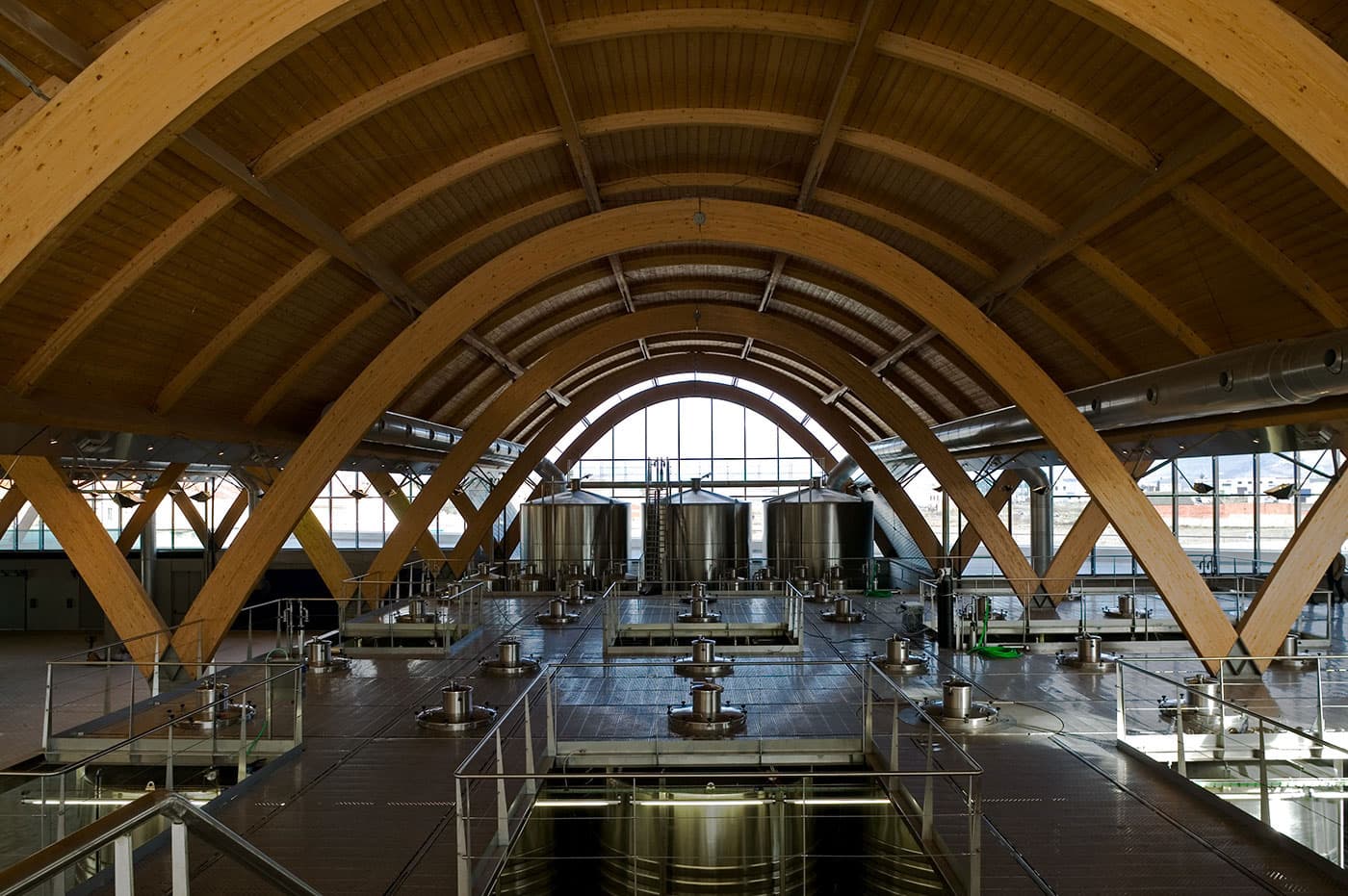
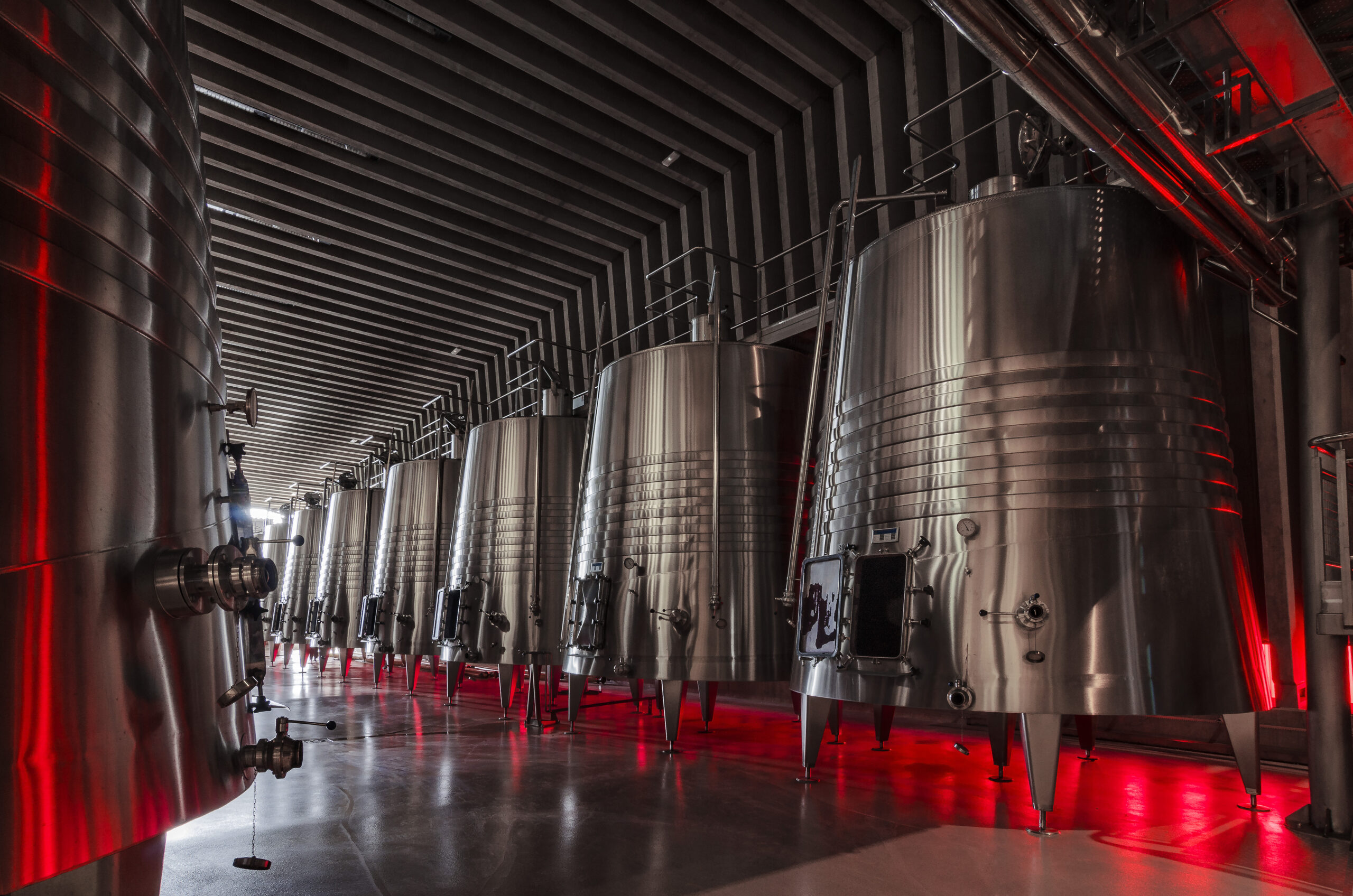
The Wine Tourism Experience Here, the flow of the grapes is governed by gravity, and the visitor follows that same path. The experience is both technical and aesthetic. Seeing the grape reception hoppers from glass walkways makes you feel like part of a perfect machine. The peak moment is the tasting in their designer room, where the wine seems to acquire metallic and modern nuances under the directed lighting.
The Star Wine: Portia Prima A signature wine that is pure muscle. We are talking about a concentration of color and aroma that saturates the senses in a delicious way. Notes of mocha, elegant roasts, and a tannic structure that is pure silk. It is the wine for those who do not fear intensity.
The Wow Factor Its private art collection integrated into the barrel area. Walking among contemporary works of art while the wines sleep beside you creates an atmosphere of an underground art gallery that has no equal.
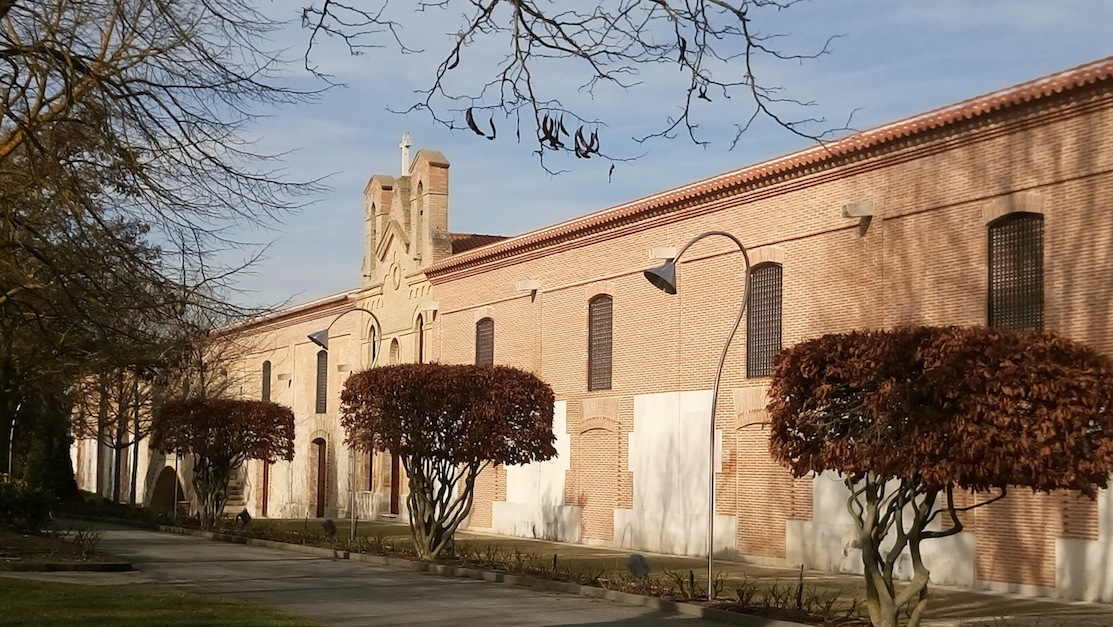
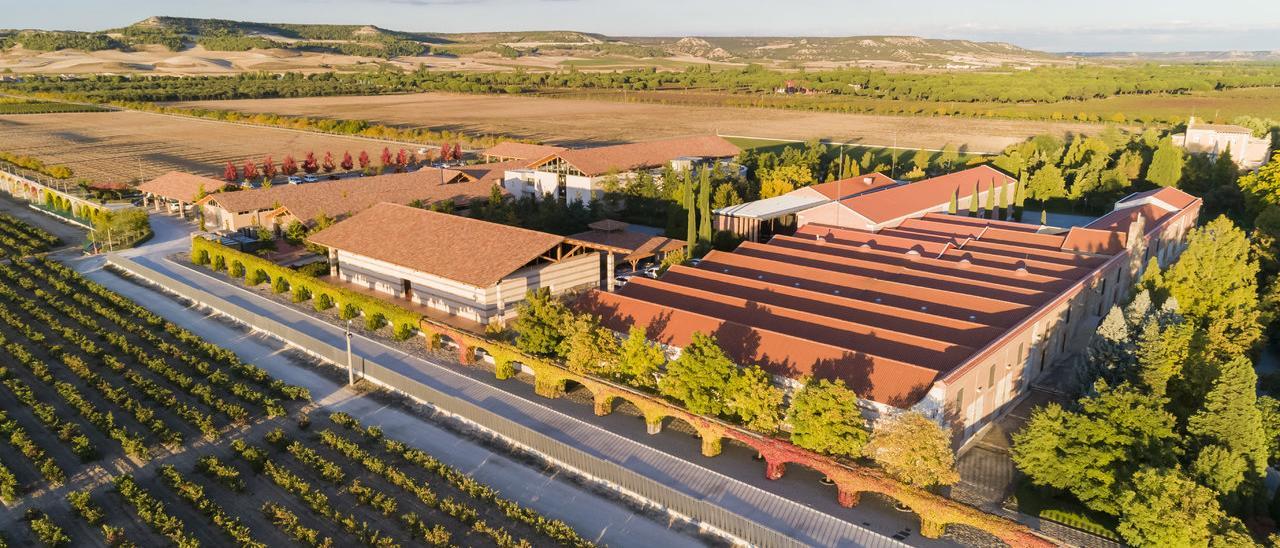
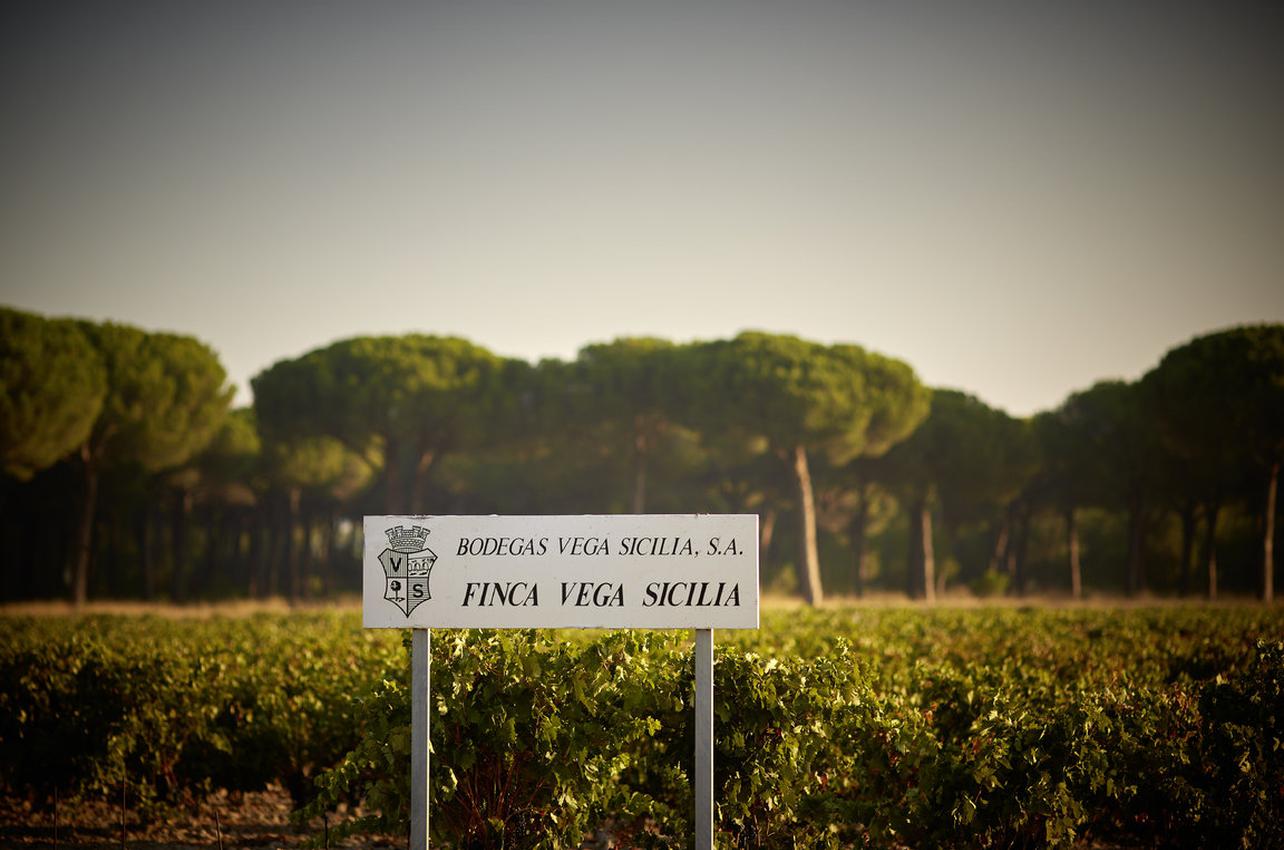
Architecture and Vibe Vega Sicilia needs no flamboyant introduction. Its architecture is classic, stately, and discreet. It is the luxury that does not shout, but whispers. The property exhales an exclusivity felt in every perfectly trimmed hedge and every corner of its historic gardens. It is the “Old Money” of Spanish wine.
The Wine Tourism Experience Entering here is like entering the Fort Knox of wine. There are no mass tours; there are personal encounters. The silence in its aging cellars is absolute. The sound of a cork popping here is not a noise; it is an event. The attention to detail, from the grain of the wood to the design of the label, is obsessive.
The Star Wine: Único The name says it all. It is a wine that is released when it wants to be, not when the market demands it (sometimes after 10 years of waiting). It is pure complexity: notes of old leather, tobacco, cedar, and fruit that seems eternal. Every sip is a history lesson.
The Wow Factor Its own cooperage. Vega Sicilia is one of the few wineries in the world that manufactures its own barrels to control even the smallest nuance of the wood’s contribution. Watching the master coopers work is like watching luthiers craft a Stradivarius.
Food Pairing and Local Gastronomy: A Feast for the Gods
For the experience to be truly religious, the stomach must be a match for the glass. In this region, pairing is a matter of state.
The undisputed king is Lechazo Churro (Suckling Lamb), roasted in a wood-fired oven until the skin is a sheet of crackling glass and the meat melts at the mere thought of a fork. Accompanied by local oil bread and a simple garden salad, this dish elevates any local Reserva to celestial levels.
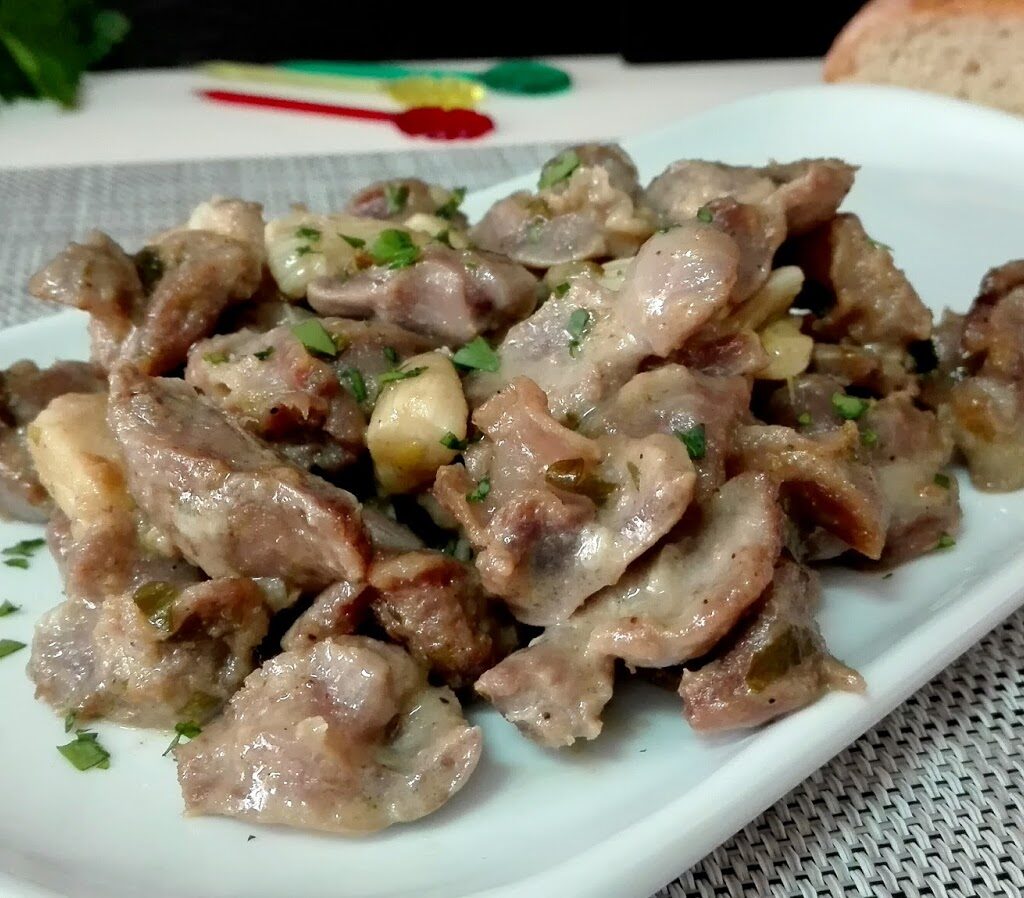
But local knowledge takes us further. Try the lamb sweetbreads with garlic or the boletus edulis mushrooms gathered from nearby forests, sautéed with a touch of Iberian ham. For more cosmopolitan palates, the area boasts Michelin stars that deconstruct these traditional flavors into bites of pure avant-garde. A bite of aged sheep’s cheese with a glass of the local white wine (yes, there are exceptional whites here too) is a reminder that happiness is, sometimes, a combination of three perfect ingredients.
VIP Survival Guide: The Art of Exclusivity
If you seek success at IMEX and want your clients to live a transformative experience, here are the golden rules:
The key to success at IMEX is not just being present; it is having the depth of field necessary to offer what no one else can see. Local knowledge in these 12 markets is, ultimately, the treasure map in a world of generic experiences.


Don't just get there, get there in style.
Information
Follow Us
Payment channels