Introduction: The Awakening of the Stone Giants
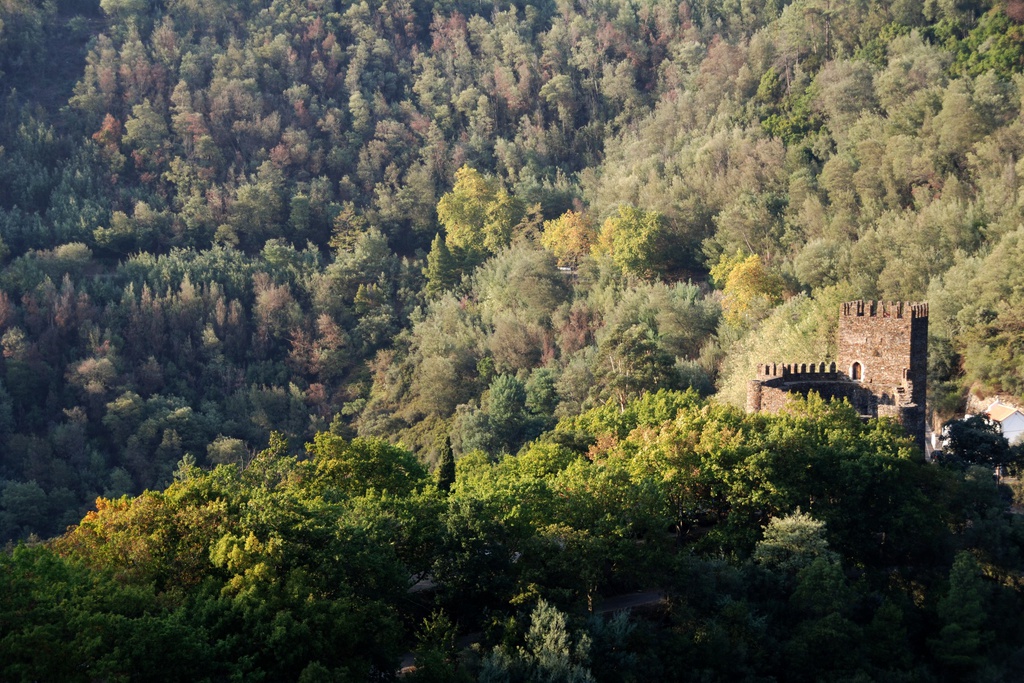
Dawn in the Serra da Lousã is not a meteorological event; it is a liturgical act. Imagine that the world has not yet finished being painted. A dense, milky-white mist slides lazily down the ash-colored slopes, enveloping villages that seem to have sprouted from the very earth. There is no concrete here, only schist: that metamorphic, dark, laminated stone that guards the sun’s heat like a shared secret.
As you step out of your vehicle—a private transport that has navigated curves that would make a rally driver blanch—the first thing that hits you isn’t the mountain chill, but the aroma. It is an intoxicating blend of damp humus, wild heather, pine resin, and a subtle hint of woodsmoke emanating from centuries-old chimneys. It is the scent of truth.
I have paced the estates of Bordeaux, lost myself in the chalky labyrinths of Champagne, and watched the sun set over the vineyards of Napa Valley, but nothing prepares you for the Schist Villages Route (Aldeias do Xisto) in the heart of Portugal. Here, wine is not produced; it is extracted from stone through a blood pact between man and a geography that refuses to be tamed. This is not just a route for the luxury traveler; it is the Mecca for the aesthete seeking the soul of the grape in its purest, most sophisticated state.
Here, the first sip of a high-altitude Encruzado, served at the exact temperature of a mountain spring, is a revelation. It is the sound of crystal clinking softly as the sun finally breaks the fog, bathing the villages in a liquid gold that competes with what you hold in your glass. Welcome to Europe’s best-kept secret. Welcome to the place where time wisely decided to stop for a drink.
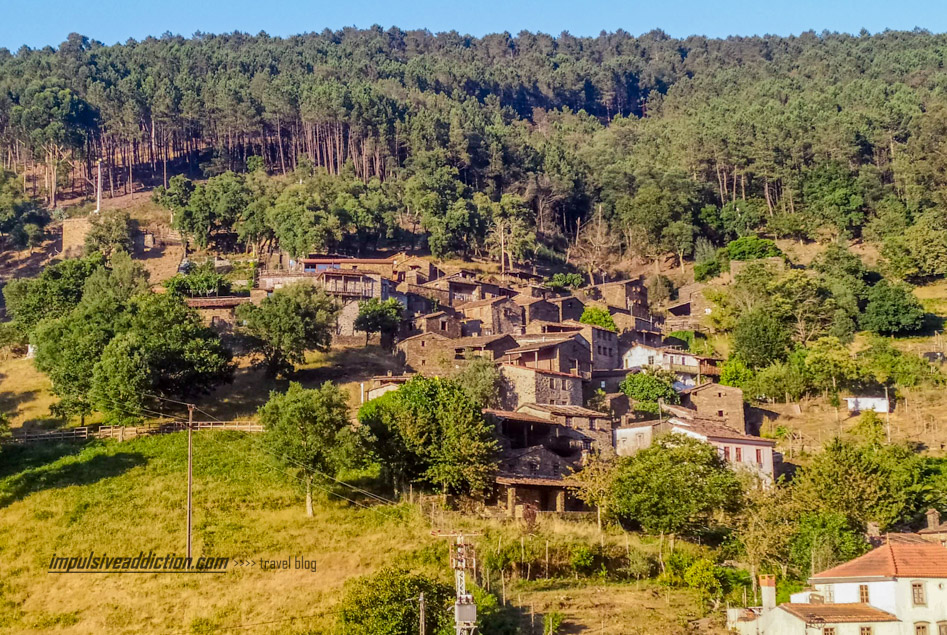
The Terroir: A Novelistic Character Written in Stone
To understand the wines of this region—which meanders between the Dão and the Beira Interior—one must understand “Schist.” If the soil were a character in an Eça de Queirós novel, schist would be the aristocratic protagonist: melancholic, profound, and extremely resilient.
Geologically, we are facing a fascinating anomaly. While the rest of the winemaking world obsesses over granite or limestone, here the roots of the vines must pierce vertical sheets of dark stone to find a single drop of water. This agonizing struggle of the plant is nothing less than the architecture of flavor: it produces a concentration of sugars and a mineral tension that cannot be faked in a laboratory.
The climate is a drama in three acts. Winters are brutal, with snow crowning the Serra da Estrela, and summers are scorching, with the sun beating down on the dark stone which, in turn, radiates heat back to the clusters throughout the night. This thermal contrast is what grants varieties like Touriga Nacional or Rufete their vibrant acidity and legendary longevity.
The local grape here is more than fruit; it is a survivor. Touriga Nacional, in these soils, sheds its easy exuberance to become austere, tannic, with notes of withered violets and graphite. It is a grape that demands your attention, that does not surrender at the first sip. It is, in essence, the spirit of the mountains distilled into a small, dark berry.
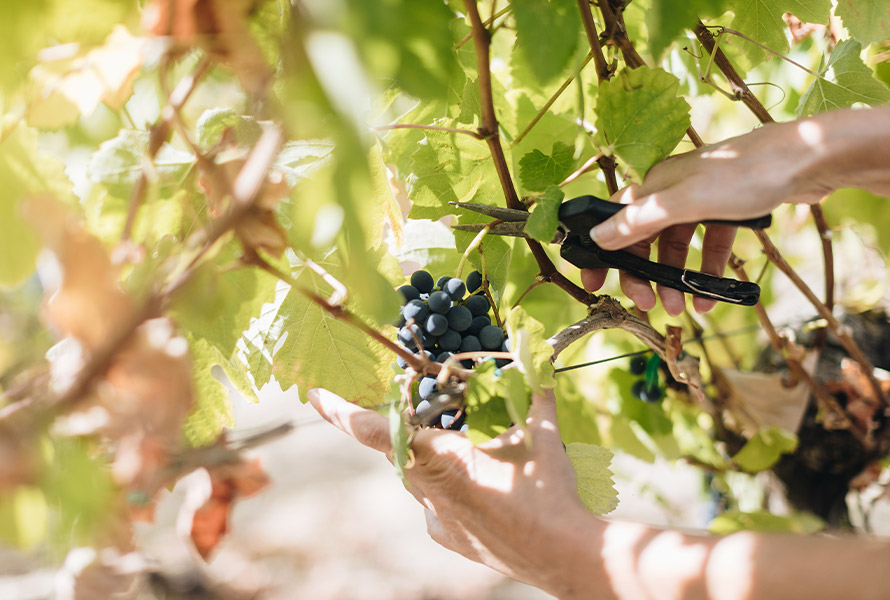
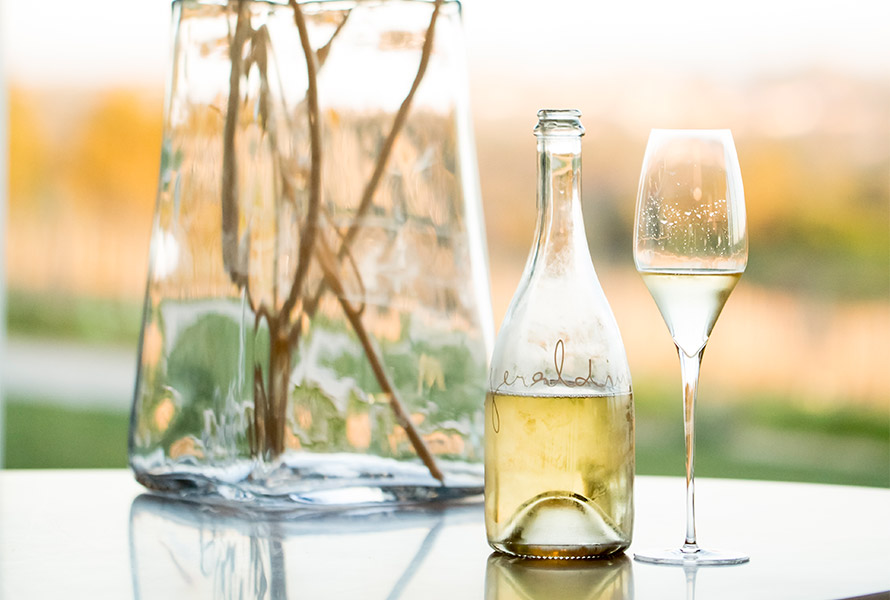
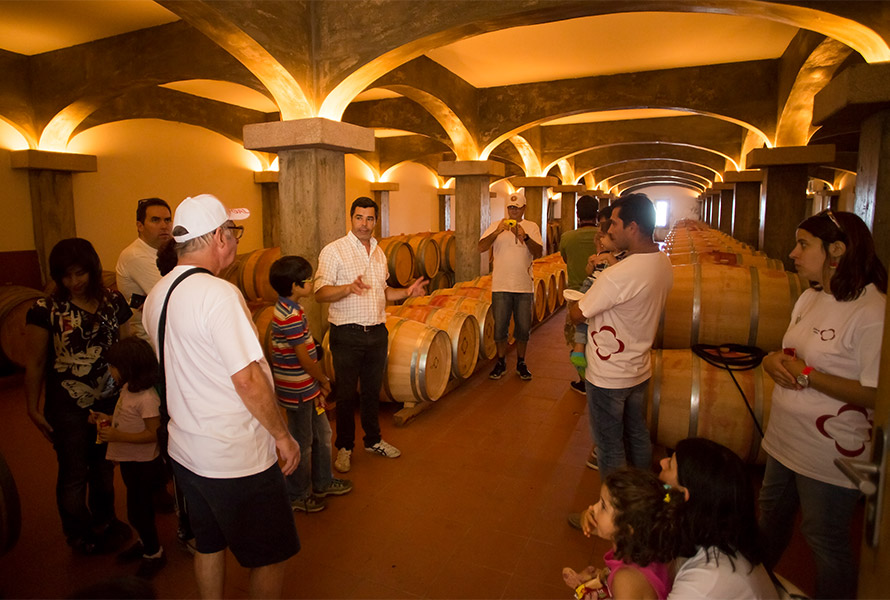
Detailed Winery Analysis: Cathedrals of Schist and Design
- Quinta de Lemos: Minimalism Embracing the Rock
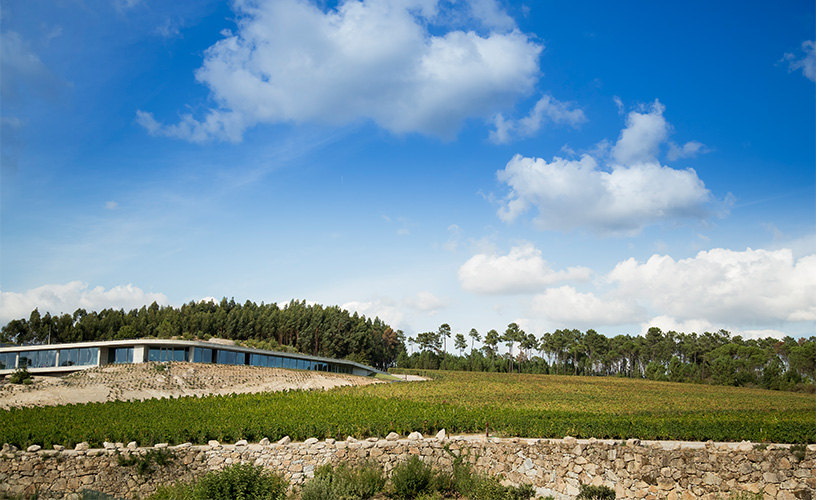
Architecture and Vibe If James Bond decided to retire to make wine, he would do it at Quinta de Lemos. Located in the Dão valley, near the routes leading to the villages, this winery is a masterpiece of integrated contemporary architecture. The building, designed by the Carvalho Araújo architecture studio, is a structure of exposed concrete and glass that seems to levitate over outcrops of granite and schist. It does not seek to dominate the landscape but to be a part of it. The interior is an exercise in monastic minimalism: clean lines, indirect lighting, and a silence broken only by the echo of your own footsteps on the polished floor.
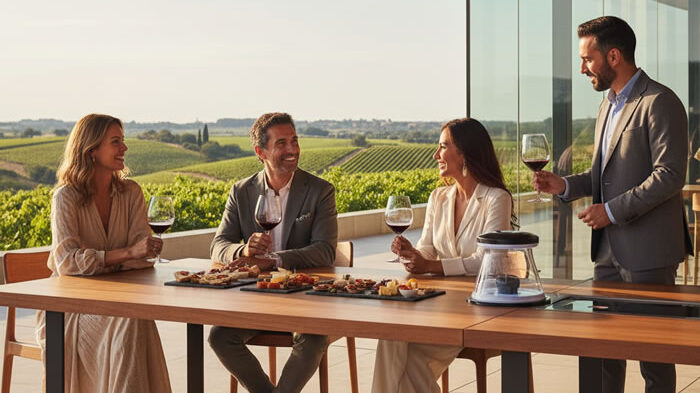
The Wine Tourism Experience Exclusivity here is not shouted; it is whispered. The tour begins with a stroll through the vineyards where you can touch the very stone the route is named after. Then, the descent into the barrel room is almost mystical. Instead of the typical dark, dusty cellars, you enter a space that feels like a contemporary art gallery. The private tasting takes place at a solid wood table in front of a window that frames the vineyard as if it were a Monet painting. The sound of uncorking a Dona Georgina resonates with an almost religious solemnity.
The Star Wine: Dona Georgina This is not a wine; it is liquid velvet that has aged in the selective oblivion of the finest French oak. In a vertical tasting, Dona Georgina (a blend of Touriga Nacional and Tinta Roriz) reveals notes of wild blackberry, bitter cocoa, and a finish that tastes of pencil lead and sunrise. It is dense, structured, with tannins that stroke your palate like a silk glove before leaving a persistent memory of exotic spices.
The Wow Factor The restaurant Mesa de Lemos, awarded a Michelin star and a Green Star for sustainability. Dining here, surrounded by glass walls as night falls over the valley, with dishes using only ingredients from the estate itself, is an experience that transcends gastronomy. It is, quite simply, the epitome of rural luxury.

- Taboadella: The Elegance of Recovered History
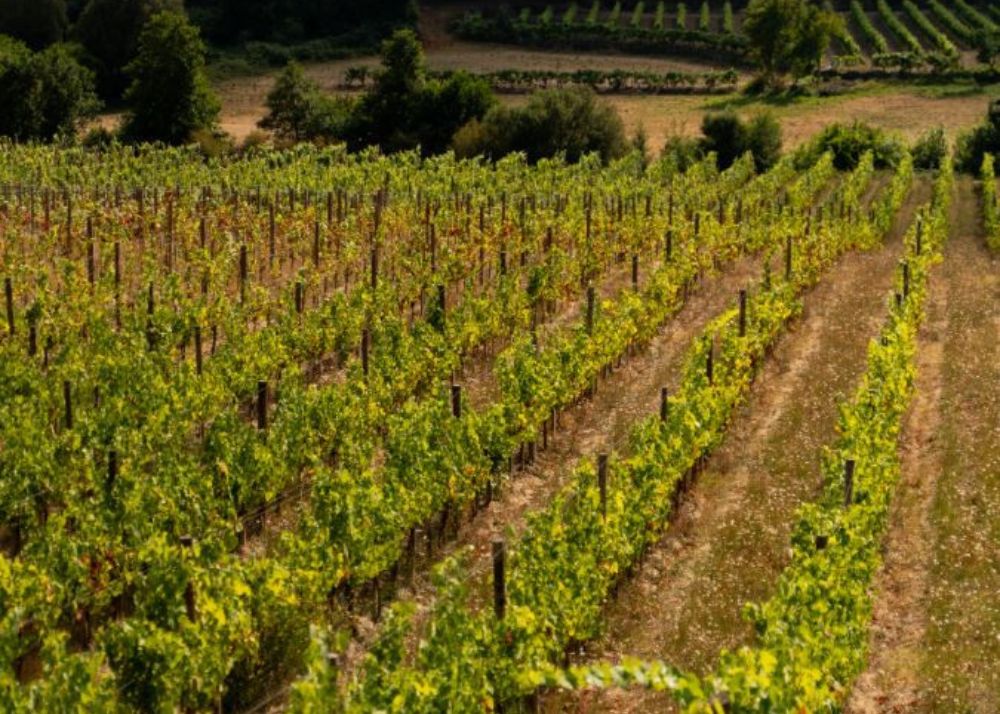
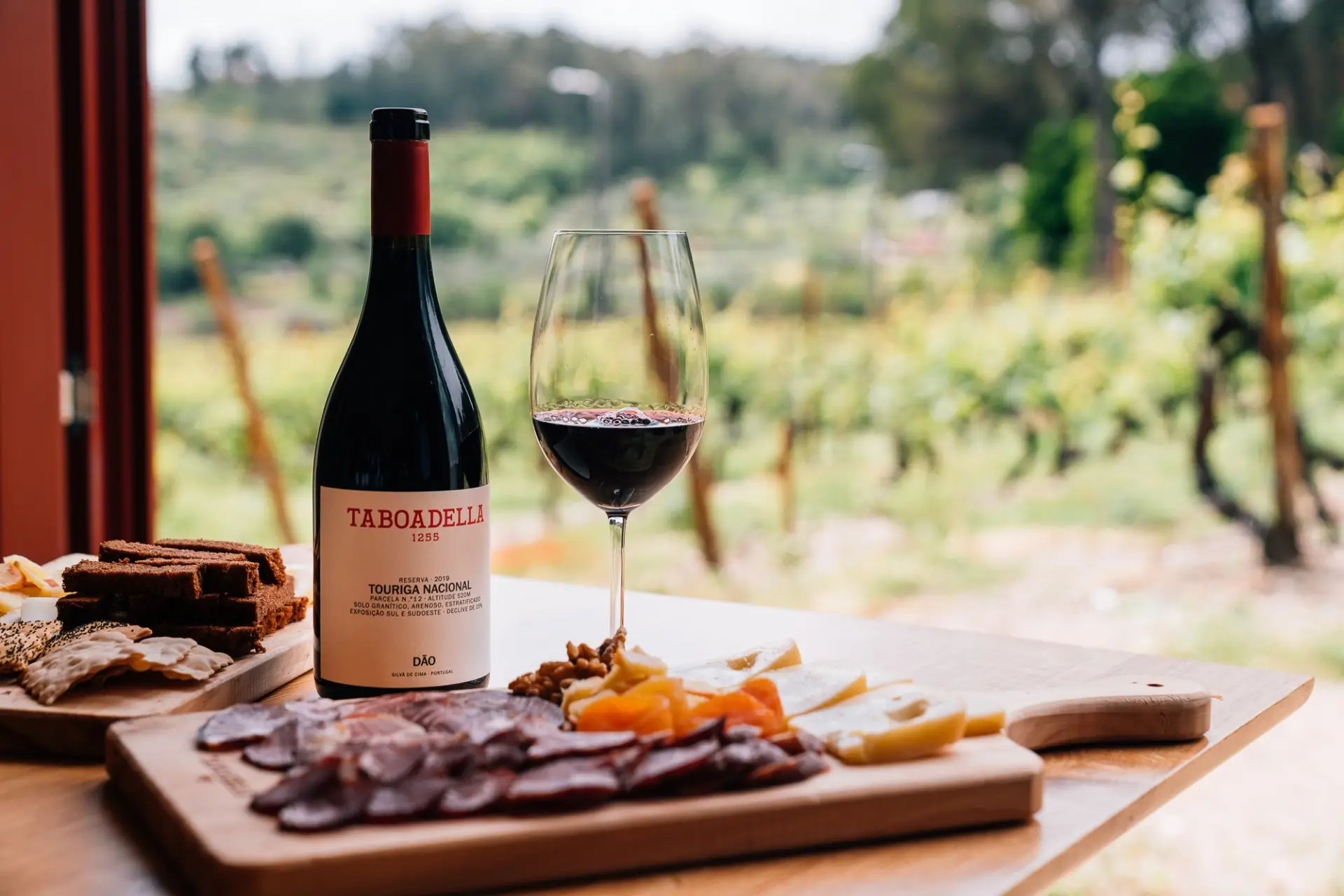
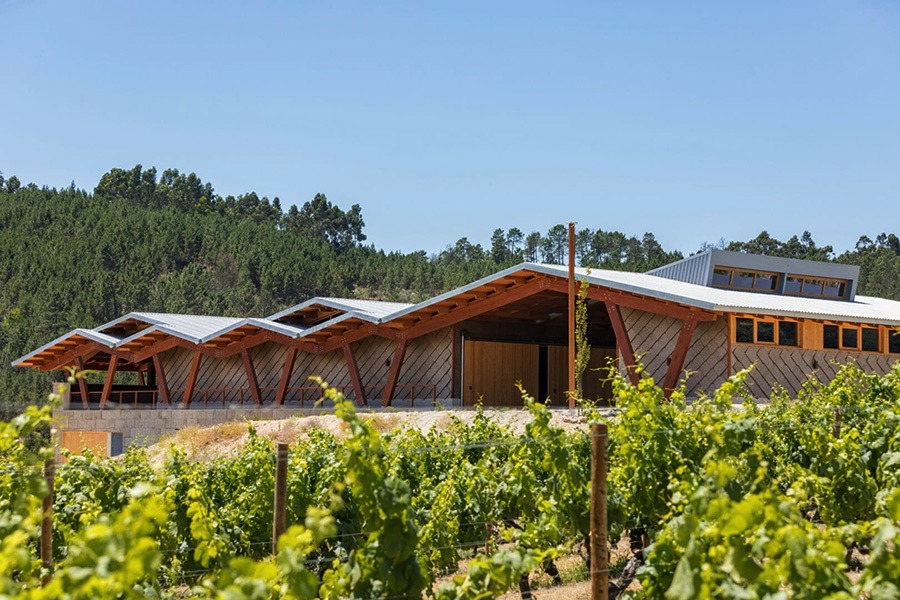
Architecture and Vibe Taboadella is the place where Roman heritage meets cutting-edge design. The Amorim family (the world’s largest cork producers) has rehabilitated this property with exquisite sensitivity. The winery is an imposing structure of pine wood and cork—a nod to their legacy—that integrates perfectly into a setting of ancient pines and vineyards aligned with mathematical precision. The vibe is one of serene opulence; it’s the kind of place where you feel important just by being there.
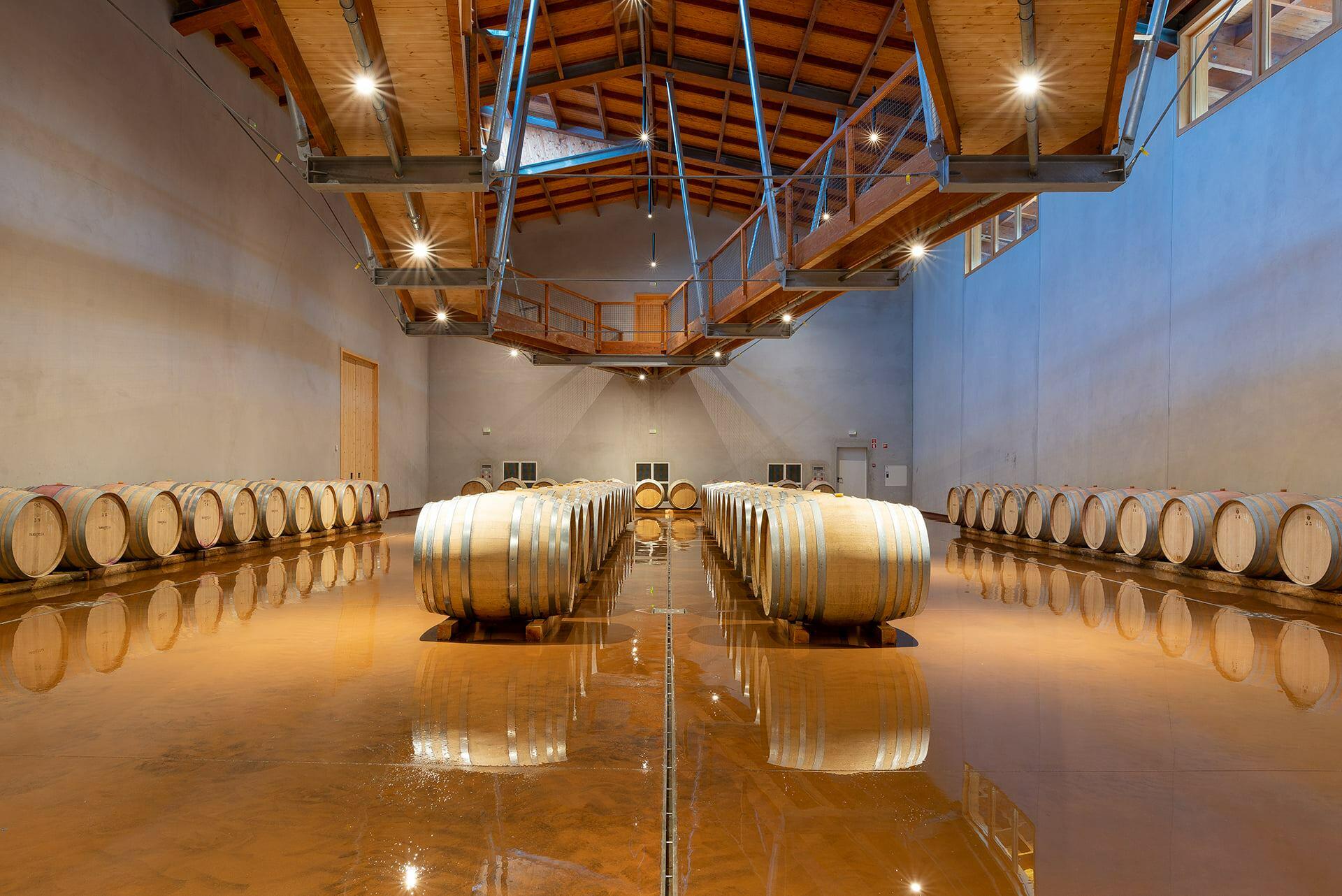
The Wine Tourism Experience Forget mass tours. At Taboadella, the visit is an anthropological journey. You are taken to see the Roman lagar (wine press) carved into the living rock, a reminder that wine has been made here for two millennia. The crown jewel is the wooden walkway that hovers over the barrel room, allowing you to observe the aging process from a bird’s-eye perspective. The tasting is held in a private room lined with cork, where the acoustics are so perfect you can hear the bubbling of life within the glass.
The Star Wine: Taboadella Reserva Encruzado As a Sommelier, I am often asked for the “Portuguese Chardonnay.” My answer is always Taboadella’s Encruzado, but with one caveat: it’s better. This white has a nose of lime, ginger, and a saline note that transports you directly to the mountain. In the mouth, it is buttery and complex, with an electric acidity that cleanses the palate. It is a wine with an aging capacity that puts many white Burgundies to shame.
The Wow Factor The “Wine House.” It is not a shop; it is a sanctuary of good taste. You can acquire limited editions that never reach the general market, and if you are lucky, conduct a vertical tasting of their Alfrocheiro monovarietals—a local grape they have elevated to cult status.

- Casas do Côro: The Luxury of the Historical Village
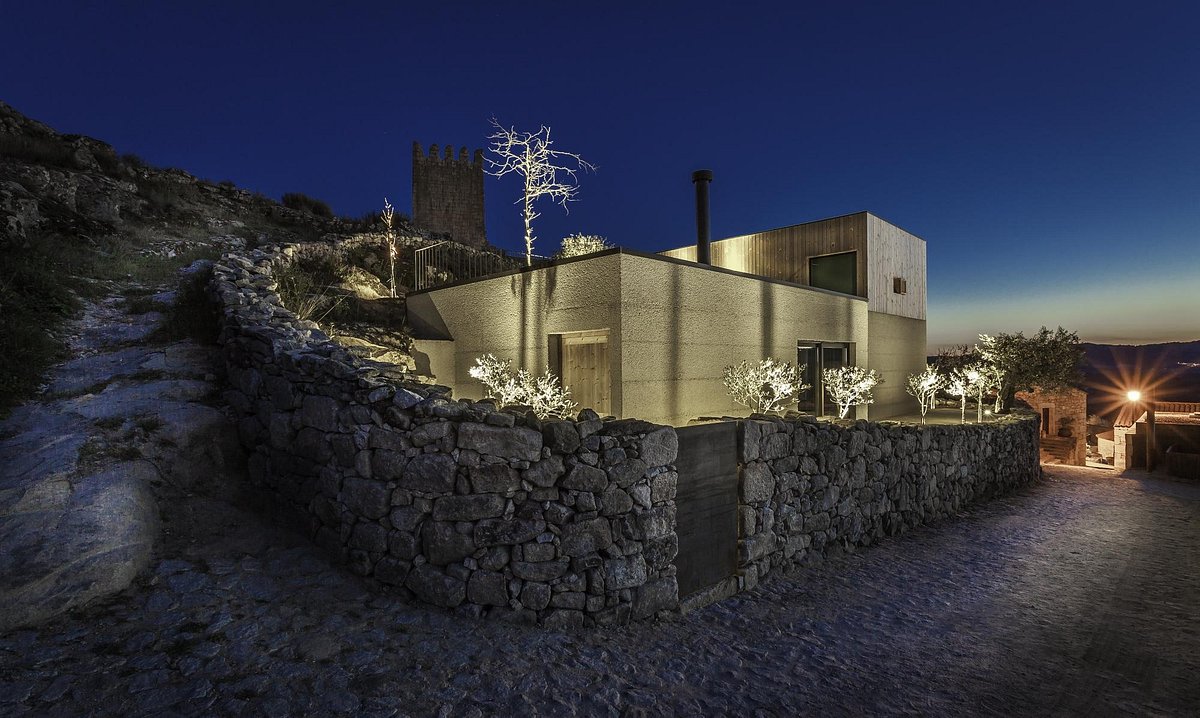
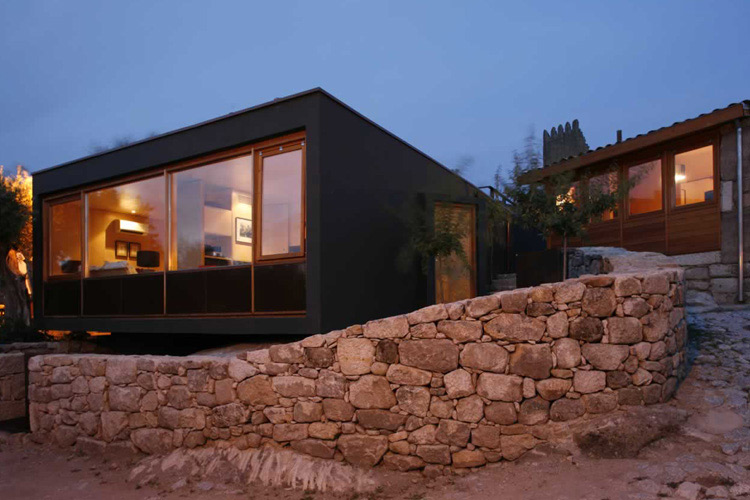
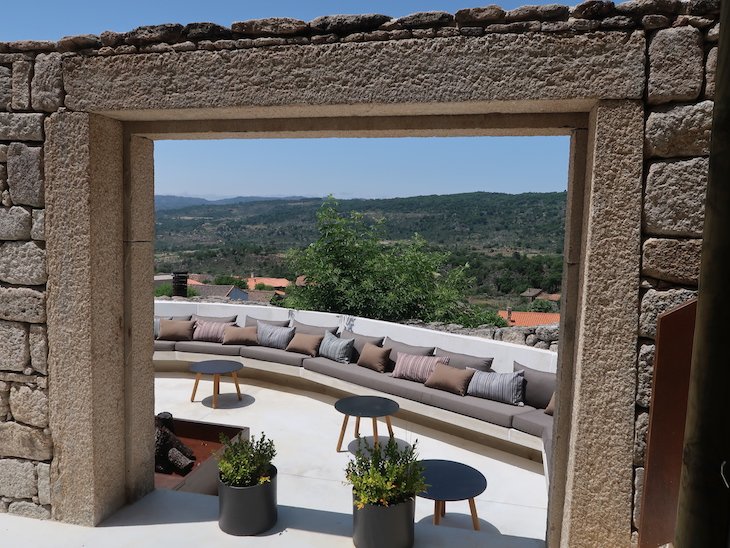
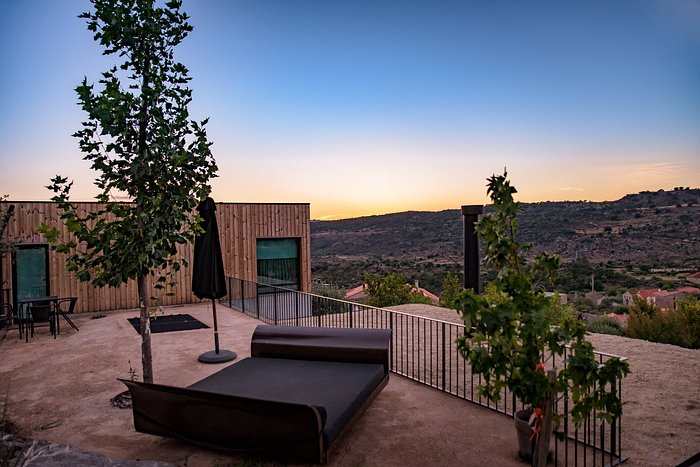
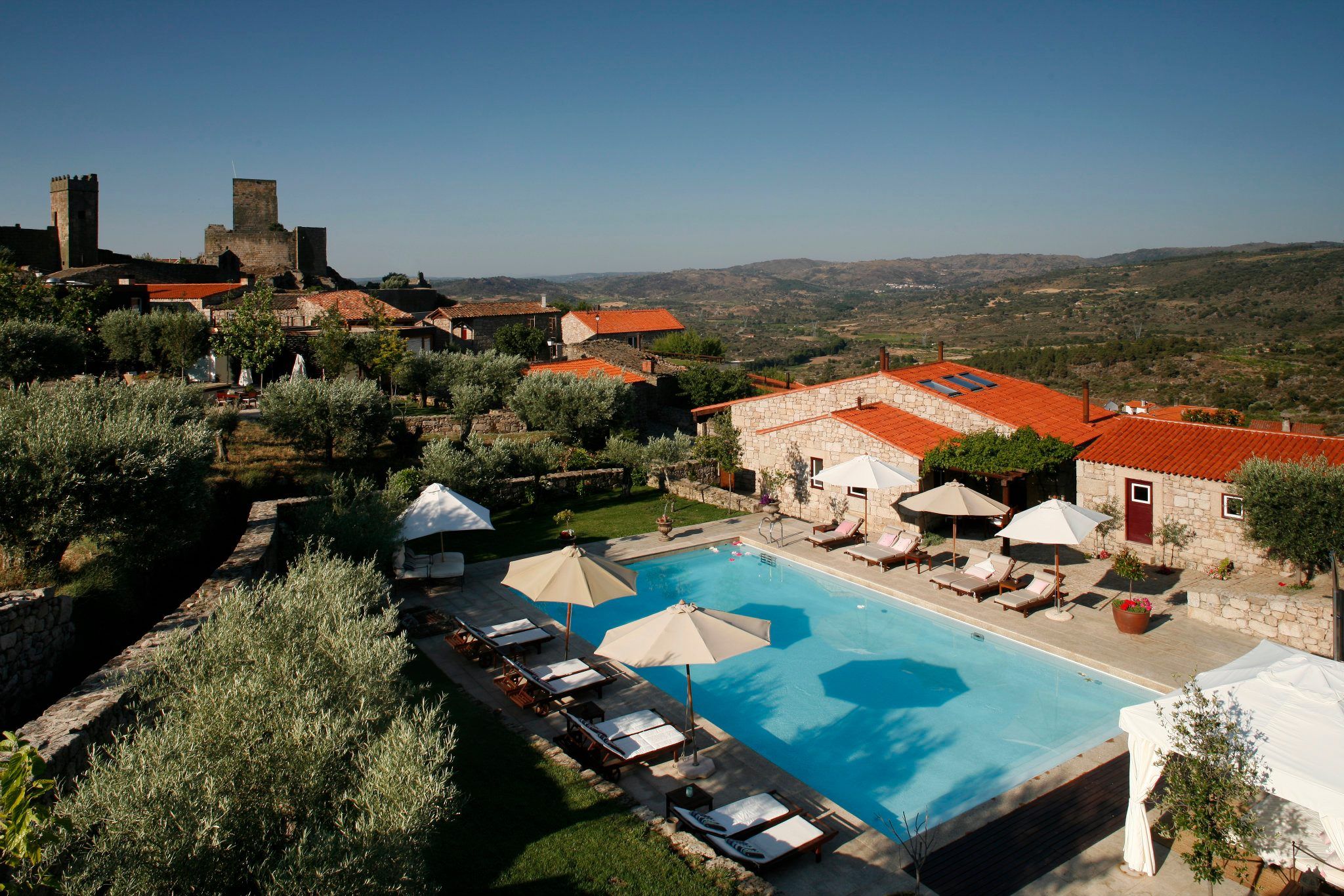
Architecture and Vibe Technically located in Marialva (one of the historical villages bordering the schist area), Casas do Côro is the reason the word “sophistication” was invented. It is a collection of restored stone houses that blend vernacular architecture with interiors straight out of Architectural Digest. The winery, linked to their own high-altitude vineyards in the Beira Interior, is a haven of modern design hidden behind medieval stone walls.
The Wine Tourism Experience Here, wine is lived, not just tasted. The premium experience includes a nocturnal tasting under the cleanest starry sky in Portugal, where the Sommelier guides you through the wine’s notes while explaining the constellations. The touch of Zalto crystal glasses and the crispness of the night air create a sensory synergy that borders on the erotic.
The Star Wine: Casas do Côro Sauvignon Blanc & Arinto In a region of powerful reds, this white is an oasis of freshness. The Arinto provides a backbone of citrus acidity, while the Sauvignon Blanc, adapted to the altitude, delivers notes of passion fruit and boxwood. It is a vibrant wine, young in spirit but possessing the wisdom granted by the transitional soils between granite and schist.
The Wow Factor The property’s “Eco-Friendly Spa,” where they offer vinotherapy treatments. Imagine soaking in a bath of grape polyphenols after a day touring schist villages, with a glass of the house sparkling wine in hand. That isn’t a vacation; it’s a victory over everyday life.

- Quinta da Pellada: The Author’s Wine for the Connoisseur
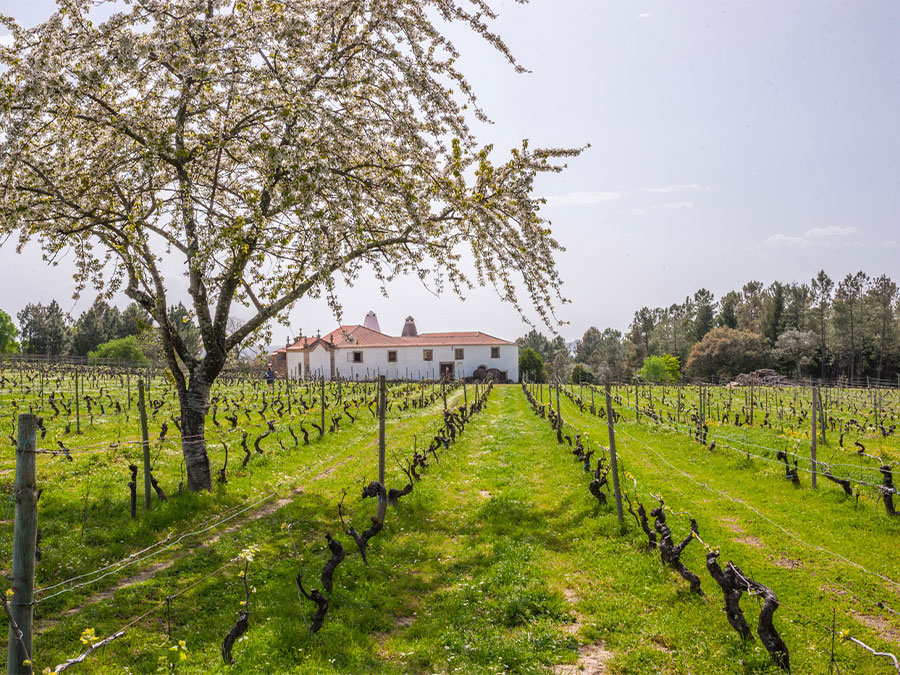
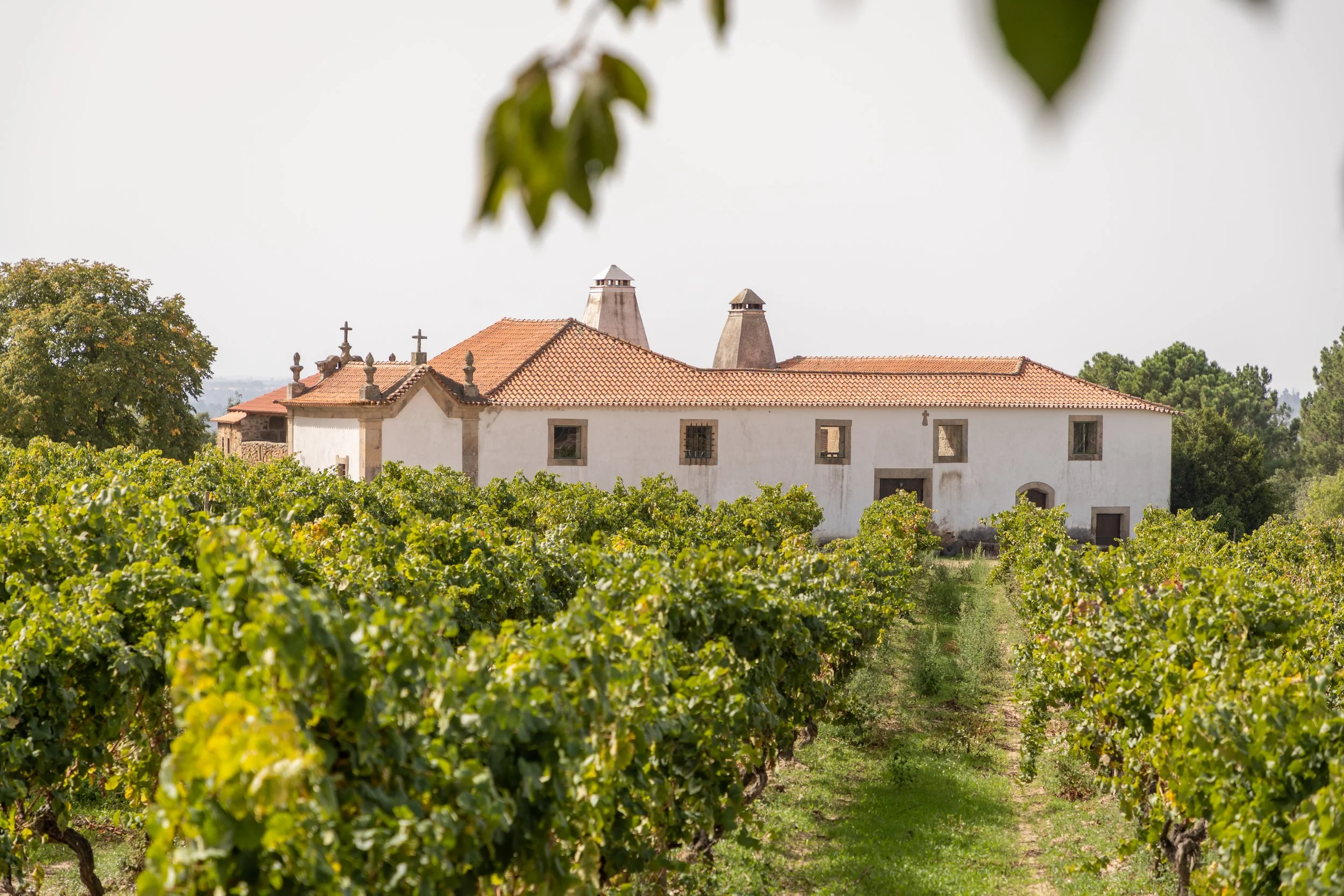
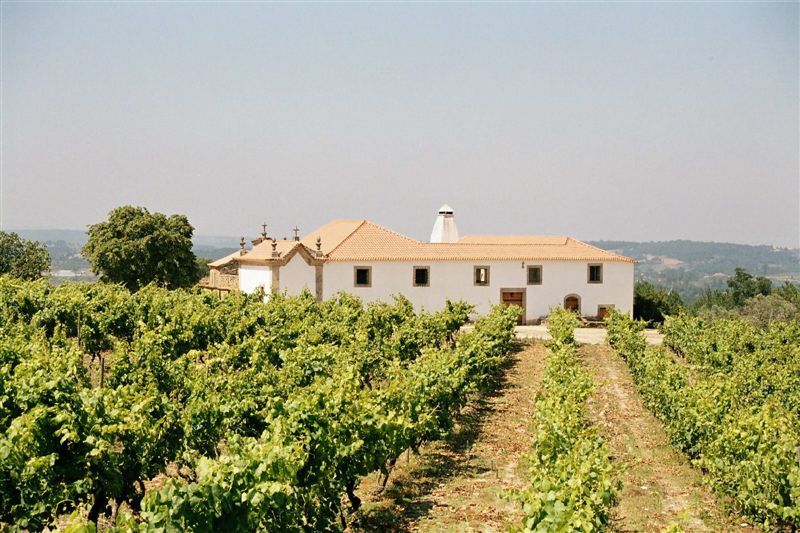
Architecture and Vibe If the previous entries were cathedrals, Quinta da Pellada is the alchemist’s studio. Álvaro Castro, the owner and winemaker, is a living legend. The winery has that charming, aristocratic clutter of places where what matters is the liquid, not the marketing. It is a manor house surrounded by old vines that look like sculptures twisted by the wind.
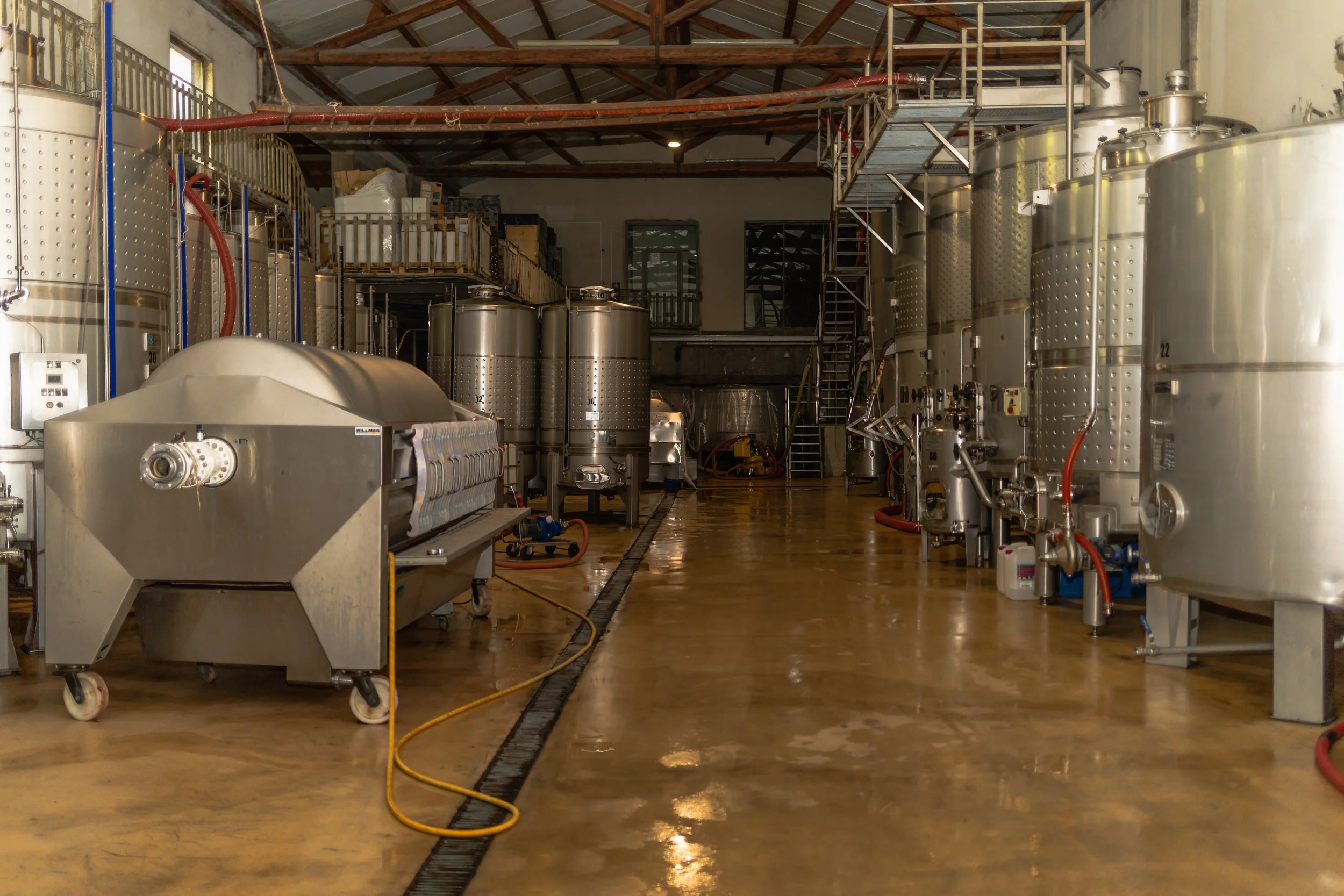
The Wine Tourism Experience This is an experience for the connoisseur seeking authenticity. There are no rehearsed scripts. Often, it is Álvaro himself or his daughter Maria who greets you. The descent into the cellar is a trip to the past; the smell of old wood and dampness is intoxicating. Here, tasting is often done directly from the barrel, using a wine thief to extract samples of what will be Portugal’s next great wine.
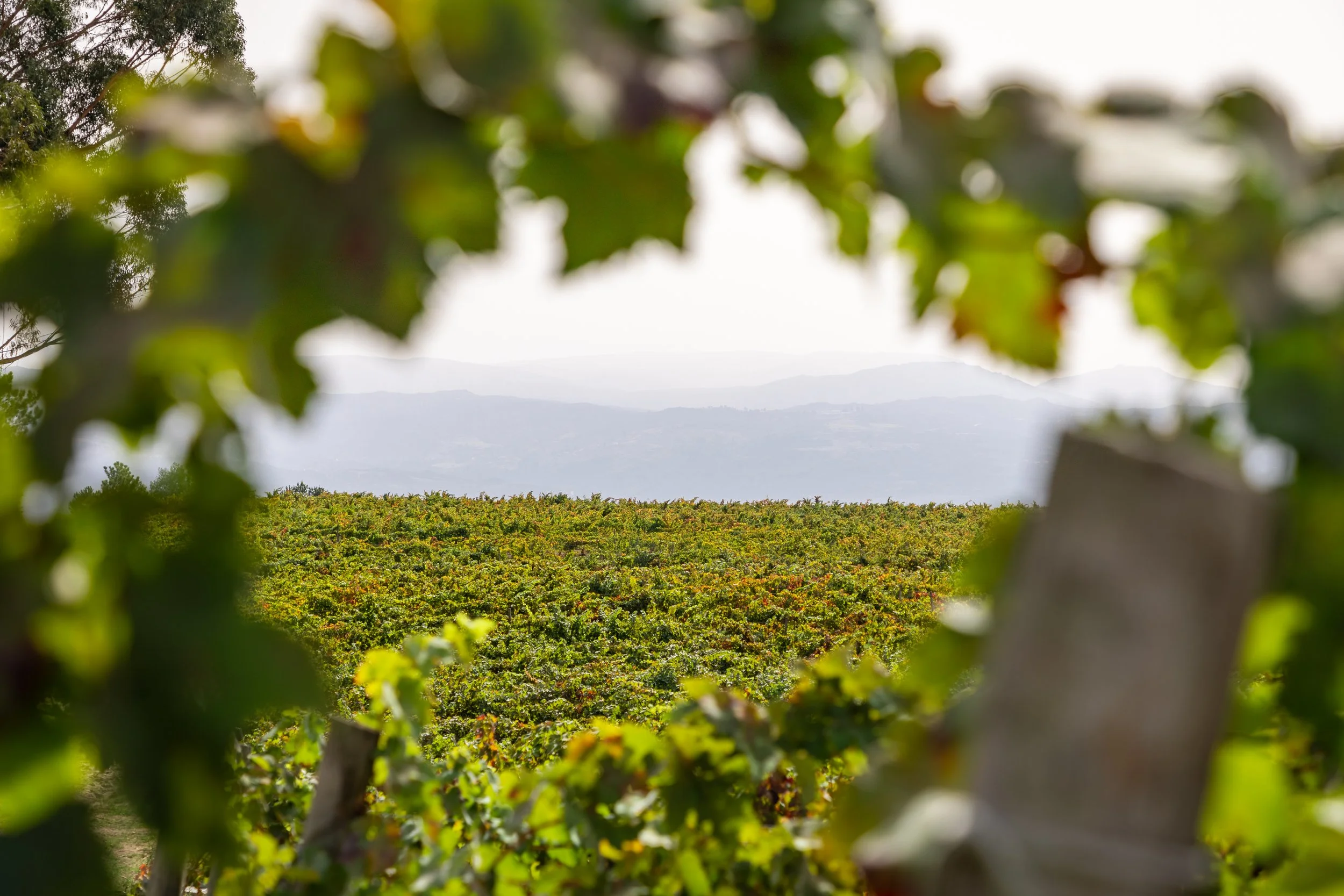
The Star Wine: Pape Pape is a cult wine. It comes from vines over 60 years old with a field blend of varieties that even they don’t know 100%. It is the definition of “terroir.” In the glass, it is dark, almost impenetrable. It smells of forest, truffle, smoke, and concentrated black fruit. In the mouth, it is an explosion of elegance; it is not a heavy wine, but a long, infinite one.
The Wow Factor The opportunity to taste the “plot wines” (vinhos de parcela). Tiny productions of barely 500 bottles that come from specific corners of the vineyard and express the microscopic difference between soil with more schist or more clay. It is a geology lesson in liquid form.

Gastronomy and Pairing: A Communion of Flavors
Eating in the Schist Villages Route is not about nourishment; it is about participating in an ancestral ritual. The gastronomy here is honest, brutally flavorful, and designed to be the perfect dance partner for the region’s tannic wines.
The Chanfana: The Blessed Sacrifice The star dish is Chanfana. It is goat meat cooked slowly in a black clay pot with abundant red wine, garlic, bay leaf, and lard. The meat becomes so tender it melts at a thought, and the sauce… ah, the sauce is a reduction of life itself. Pairing it with a Touriga Nacional from Quinta de Lemos is the closest you will get to a religious experience without entering a church.
Serra da Estrela Cheese The king of Portuguese cheeses. Made with sheep’s milk and curdled with thistle flower, its texture is creamy, almost liquid when at its peak (amanteigado). The flavor is intense, herbaceous, and slightly bitter at the finish. The mandatory pairing is an Encruzado aged in oak or a traditional method sparkling wine from the area. The fat of the cheese and the acidity of the wine cancel each other out in a dance of perfect balance.
Wild Boar and Game Given the forested nature of the villages, wild boar is a staple. Cooked with chestnuts (another star product of the schist), it offers a sweet and earthy counterpoint that highlights the scrubland notes of the Beira Interior wines.
VIP Survival Guide: The Art of Traveling with Exclusivity
Visiting the Schist Villages Route requires logistics that match the level of the experience. You don’t come here on a tour bus.
- Transportation: Rent a high-end SUV or, better yet, hire a private chauffeur who knows the roads. The routes between villages like Piodão or Cerdeira are spectacular but demanding. If you seek maximum impact, some quintas allow arrival by helicopter from Porto or Lisbon.
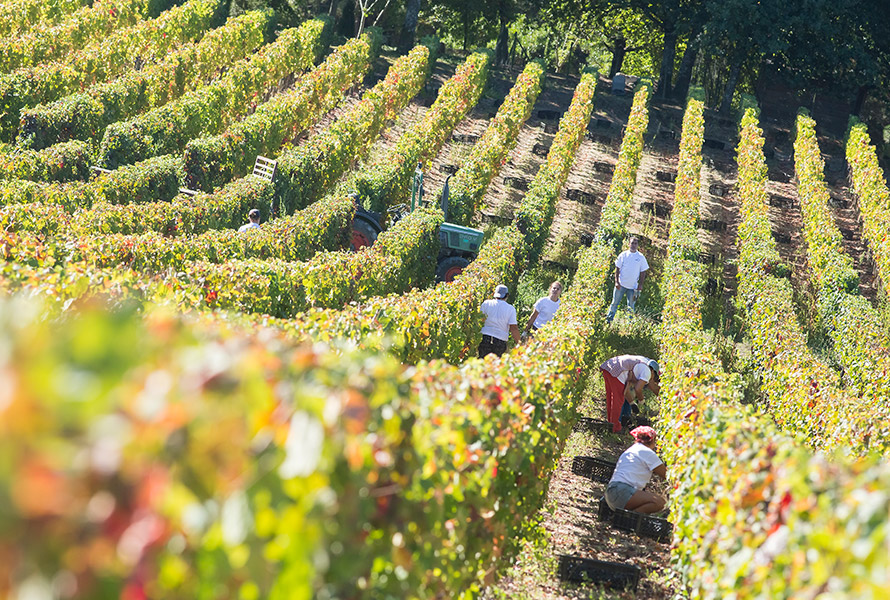
- The Season: Autumn (October-November) is the peak moment. The color of the vines turning reddish against the grey of the schist is a palette no Instagram filter can replicate. Plus, it is harvest and chestnut season.
- The Wardrobe: “Luxury Casual.” Cashmere layers for the cool mountain mornings and comfortable but elegant shoes for walking on the irregular stone of the villages.
- Reservations: In this region, luxury is privacy. All the mentioned wineries require booking weeks in advance for premium experiences. Do not show up unannounced; the schist does not forgive a lack of courtesy.
The Schist Villages Route is, ultimately, an inward journey. It is a reminder that true luxury is not what glitters, but what endures. It is that glass of wine that, as you drink it, tells you the story of a mountain, of a dark stone, and of a hand that refused to let tradition die.